Author: admin

  • Russia–China Closer Relations: Strengthening a Strategic Partnership

    Russia–China Closer Relations: Strengthening a Strategic Partnership

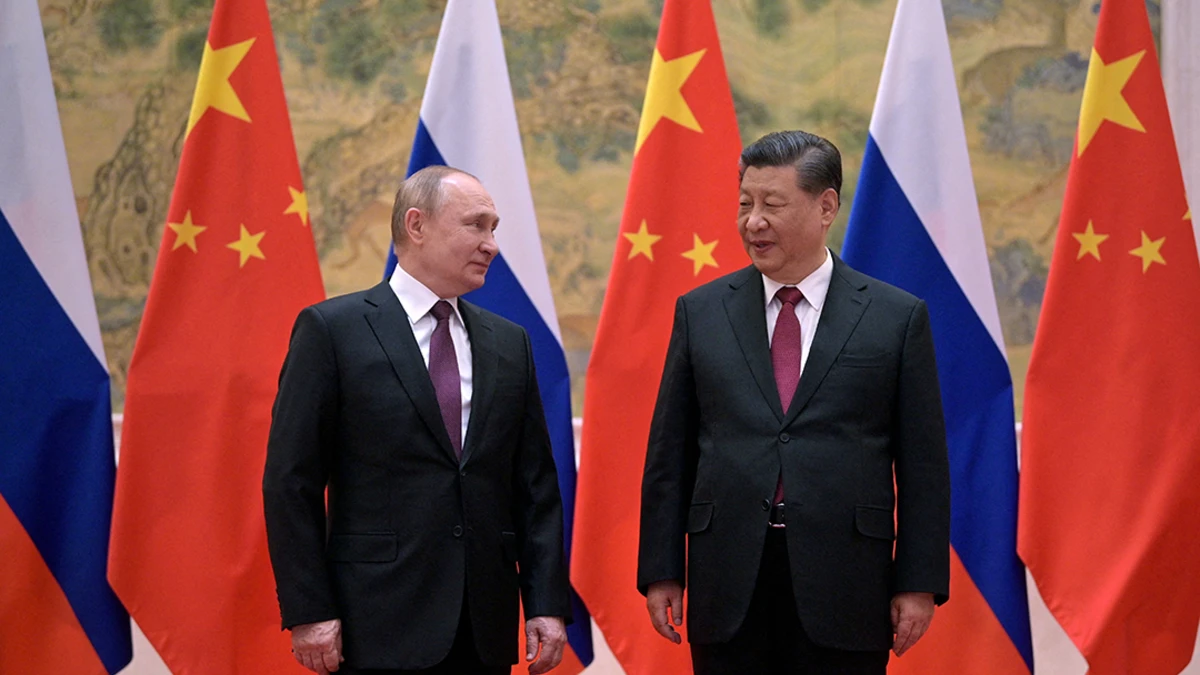
    The relationship between Russia and China has grown significantly stronger in recent years, evolving into one of the most important strategic partnerships in global politics. Driven by shared interests, economic cooperation, and geopolitical pressures, both countries are expanding their ties across trade, energy, military, and diplomacy.

    Background of the Relationship

    Historically, Russia and China have had a complex relationship, including periods of tension during the Cold War era. However, in the 21st century, both nations have moved toward closer cooperation, largely based on mutual interests and a shared desire to balance Western influence in global affairs.

    Economic Cooperation

    1. Trade Expansion

    Trade between the two countries has increased rapidly. China is now one of the largest trading partners of Russia. Goods such as machinery, electronics, and consumer products flow from China, while Russia exports energy resources like oil, gas, and coal.

    2. Energy Partnerships

    Energy is a key pillar of the relationship. Russia supplies large quantities of oil and natural gas to China through pipelines and long-term contracts. This helps Russia diversify its energy market while supporting China’s growing energy demand.

    3. Local Currency Trade

    Both countries are increasingly using their local currencies (Russian ruble and Chinese yuan) instead of the US dollar for trade settlements. This move reflects their efforts to reduce dependence on Western financial systems.

    Military and Security Cooperation

    The partnership also extends to defense and military cooperation. Russia and China regularly conduct joint military exercises, focusing on improving coordination and strategic readiness.

    While they are not formal military allies like NATO members, their cooperation signals a growing alignment in security interests, especially in response to global geopolitical tensions.

    Geopolitical Alignment

    One of the key reasons behind the closer ties is shared geopolitical interest. Both countries often coordinate their positions in international organizations such as the United Nations, particularly on issues involving sanctions, sovereignty, and Western foreign policy.

    This alignment allows both Russia and China to strengthen their global influence and present a more balanced multipolar world order.

    Technology and Infrastructure Collaboration

    China’s advanced technology sector and Russia’s scientific expertise complement each other in several areas. Cooperation includes infrastructure development, telecommunications, space research, and industrial projects.

    China’s Belt and Road Initiative also plays a role in strengthening regional connectivity, with Russia serving as an important transit and strategic partner.

    Impact of Western Sanctions

    Western sanctions on Russia have further accelerated its reliance on China. As Russia faces economic restrictions from Western countries, China has emerged as a crucial trade and financial partner.

    This shift has deepened their economic interdependence and strengthened political cooperation.

    Challenges in the Relationship

    Despite growing ties, the relationship is not without challenges. There are concerns about imbalance, as China’s economy is significantly larger and more advanced. Russia must carefully manage this partnership to avoid becoming overly dependent on China.

    Additionally, both countries have different long-term strategic priorities, which may occasionally create friction.

    Future Outlook

    The future of relations between Russia and China is likely to remain strong, driven by shared interests in trade, security, and global influence. However, maintaining balance and mutual benefit will be key to sustaining this partnership.

    Conclusion

    The growing closeness between Russia and China represents a major shift in global geopolitics. As both nations continue to deepen their cooperation, they are reshaping economic and political dynamics on the world stage, creating a more multipolar international system.
  • Russia’s Population and Social Challenges: A Growing Concern for the Future

    Russia’s Population and Social Challenges: A Growing Concern for the Future

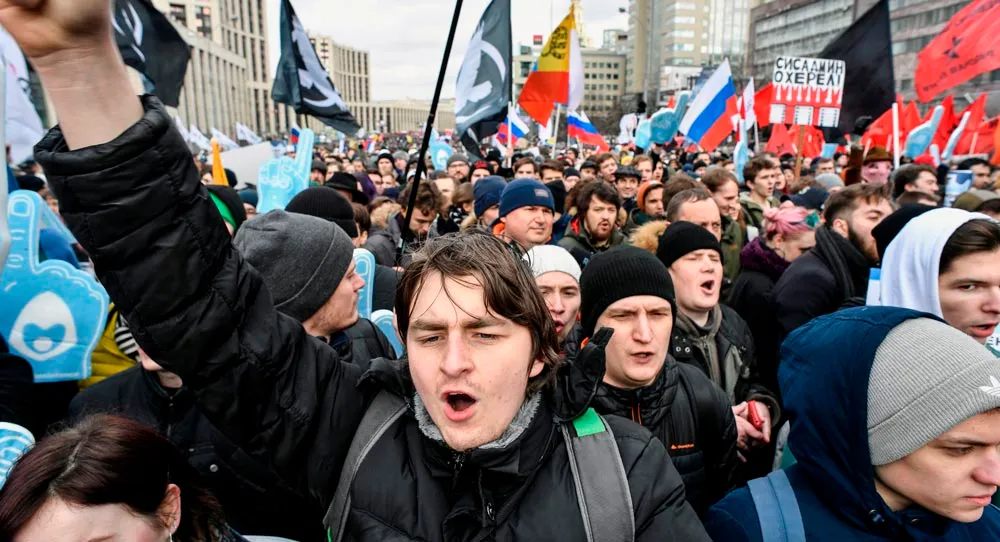
    Russia is facing significant population and social challenges that could have long-term consequences for its economic growth, workforce stability, and global influence. While the country remains a major geopolitical power, its internal demographic trends present a complex and often overlooked issue. Declining population, an aging society, and social pressures are shaping the future of the nation in critical ways.

    Declining Population Trend

    One of the most pressing concerns in Russia is its shrinking population. Over the past few decades, the country has experienced low birth rates combined with relatively high mortality rates. This imbalance has led to a natural population decline.

    Several factors contribute to this trend. Economic uncertainty, high living costs, and changing social values have influenced family planning decisions. Many young couples are choosing to have fewer children or delay starting families altogether. As a result, the overall population growth rate remains negative.

    Aging Society

    Closely linked to population decline is the issue of an aging population. A growing percentage of citizens in Russia are elderly, while the proportion of working-age individuals is decreasing. This demographic shift creates pressure on social welfare systems, healthcare services, and pension programs.

    An aging population also means a smaller workforce, which can slow economic productivity and innovation. With fewer young workers entering the labor market, businesses may face challenges in maintaining growth and competitiveness.

    Workforce Shortages

    The declining and aging population has led to noticeable labor shortages across various sectors. Industries such as manufacturing, healthcare, and technology are increasingly struggling to find skilled workers.

    To address this issue, Russia has explored policies aimed at increasing workforce participation, including encouraging higher birth rates and attracting migrants. However, these efforts have had limited success so far.

    Brain Drain and Migration

    Another major challenge is the outflow of skilled professionals, often referred to as “brain drain.” Many educated and talented individuals are leaving Russia in search of better opportunities, higher salaries, and improved living conditions abroad.

    This migration trend weakens the country’s human capital and reduces its ability to compete in high-tech and innovation-driven industries. At the same time, immigration into Russia has not been sufficient to fully offset these losses.

    Social and Health Issues

    Social factors also play a role in the country’s demographic challenges. Public health concerns, including lifestyle-related diseases, contribute to higher mortality rates. Access to quality healthcare varies across regions, creating disparities in life expectancy.

    In addition, issues such as income inequality and regional economic gaps further complicate the situation. While major cities may offer better opportunities, rural areas often face declining populations and limited resources.

    Government Response and Policies

    The government of Russia has recognized these challenges and introduced several measures to address them. Policies include financial incentives for families to have more children, improved maternity benefits, and housing support programs.

    Efforts have also been made to reform healthcare and pension systems to better support an aging population. However, experts argue that more comprehensive and long-term strategies are needed to reverse current trends.

    Economic and Global Impact

    Demographic decline can have serious economic consequences. A smaller workforce means lower productivity and reduced economic growth. It can also limit the country’s ability to maintain its military and global influence.

    On a global scale, population trends in Russia may affect its strategic position, particularly as other countries experience population growth and technological advancement.

    Future Outlook

    The future of Russia will depend on how effectively it addresses its population and social challenges. Encouraging higher birth rates, improving living standards, and creating opportunities for young people will be key factors.

    At the same time, policies that attract and retain skilled workers could help stabilize the workforce. Without significant changes, demographic decline may continue to pose a serious obstacle to long-term development.

    Conclusion

    The population and social issues facing Russia represent a critical challenge with far-reaching implications. While the country remains influential on the global stage, its internal demographic trends require urgent attention. Addressing these issues will be essential for ensuring sustainable economic growth, social stability, and future prosperity.

  • Extreme Weather & Climate Alerts: A Growing Global Challenge (2026)

    Extreme Weather & Climate Alerts: A Growing Global Challenge (2026)

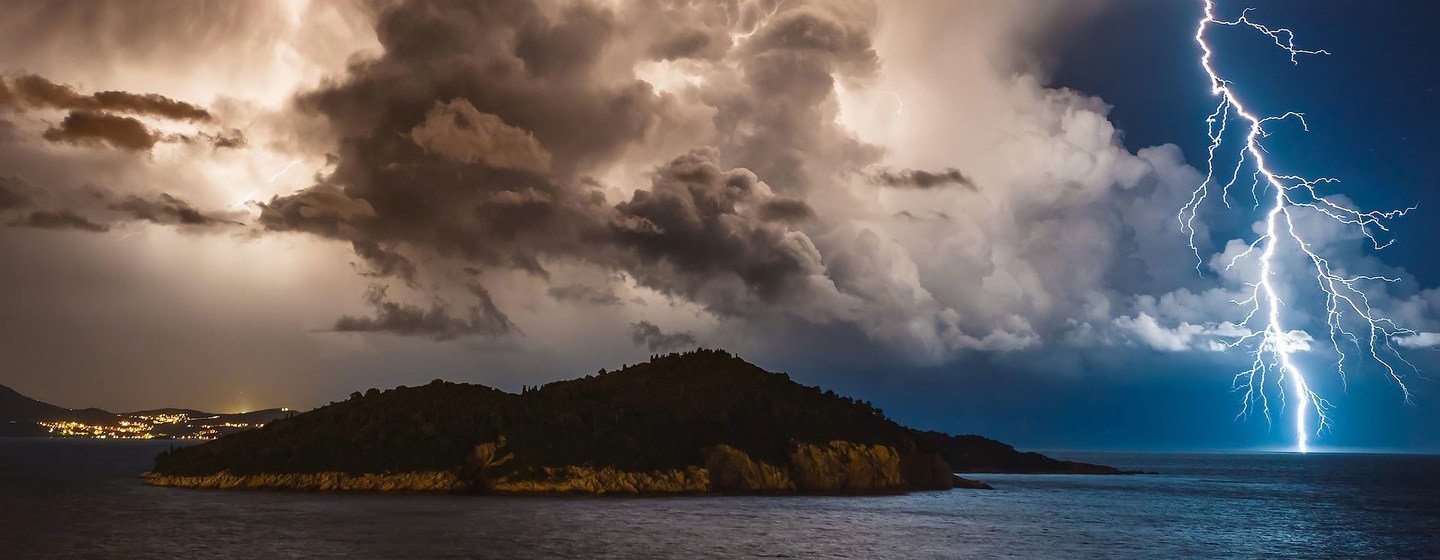
    Extreme weather events are becoming more frequent and intense around the world, making climate alerts one of the most important global issues in 2026. From heatwaves and floods to storms and droughts, countries across every continent are experiencing unusual weather patterns that are disrupting daily life, economies, and ecosystems.

    Rising Frequency of Extreme Weather

    In recent years, climate scientists have observed a clear increase in extreme weather conditions. These include:

    • Severe heatwaves in parts of Asia, Europe, and the Middle East
    • Heavy rainfall causing floods in South Asia and Africa
    • Strong cyclones and hurricanes in coastal regions
    • Long-term droughts affecting agriculture and water supply

    These events are often linked to long-term changes in global climate patterns, commonly referred to as climate change.

    Impact of Climate Change

    The main driver behind increasing extreme weather is global warming caused by greenhouse gas emissions. As the Earth’s temperature rises, weather systems become more unstable and unpredictable.

    Organizations like the Intergovernmental Panel on Climate Change have warned that without significant reductions in emissions, extreme weather will become even more severe in the coming decades.

    Heatwaves and Rising Temperatures

    Heatwaves are becoming longer and more intense in many regions. Countries in South Asia, the Middle East, and southern Europe are experiencing record-breaking temperatures.

    These extreme temperatures affect:

    • Human health (heatstroke and dehydration risks)
    • Agriculture (crop damage and reduced yields)
    • Energy demand (increased use of electricity for cooling)

    Cities are especially vulnerable due to the “urban heat island” effect, where concrete and buildings trap heat.

    Floods and Heavy Rainfall

    At the same time, other regions are facing extreme rainfall and flooding. Sudden cloudbursts and rising sea levels are causing serious damage to infrastructure and homes.

    Floods can lead to:

    • Displacement of communities
    • Destruction of roads, bridges, and buildings
    • Water contamination and disease outbreaks

    Developing countries are often the most affected due to limited disaster management systems.

    Droughts and Water Scarcity

    Droughts are increasing in frequency, especially in agricultural regions. Lack of rainfall affects crop production and leads to food shortages and rising prices.

    Countries dependent on farming are particularly vulnerable, as water shortages directly impact their economies and livelihoods.

    Storms and Natural Disasters

    Stronger storms and cyclones are being recorded in many coastal areas. Warmer ocean temperatures provide more energy for storms, making them more powerful and destructive.

    These disasters often cause:

    • Power outages
    • Infrastructure damage
    • Economic losses worth billions

    Global Response and Climate Action

    Governments and organizations worldwide are taking steps to address climate risks. International agreements and environmental policies aim to reduce carbon emissions and promote sustainable development.

    Renewable energy sources such as solar and wind power are becoming more important as countries try to reduce dependence on fossil fuels.

    Role of Technology in Climate Monitoring

    Modern technology plays a key role in tracking and predicting extreme weather. Satellite systems, AI-based forecasting tools, and climate models help governments issue early warnings and prepare for disasters.

    This improves disaster response and helps save lives by giving people time to evacuate or prepare.

    Future Outlook

    Experts believe that extreme weather will continue to increase unless global emissions are significantly reduced. The future depends on:

    • Climate policies and international cooperation
    • Transition to renewable energy
    • Urban planning and disaster preparedness
    • Public awareness and environmental responsibility

    Conclusion

    Extreme weather and climate alerts are no longer rare events—they are becoming a regular global challenge. From heatwaves to floods and storms, these changes are affecting millions of lives worldwide.

    The work of organizations like the Intergovernmental Panel on Climate Change highlights the urgent need for action. Addressing climate change is essential to protect future generations and ensure a stable and sustainable planet.

  • Russia–Ukraine Situation Still Ongoing: A Prolonged Global Conflict

    Russia–Ukraine Situation Still Ongoing: A Prolonged Global Conflict

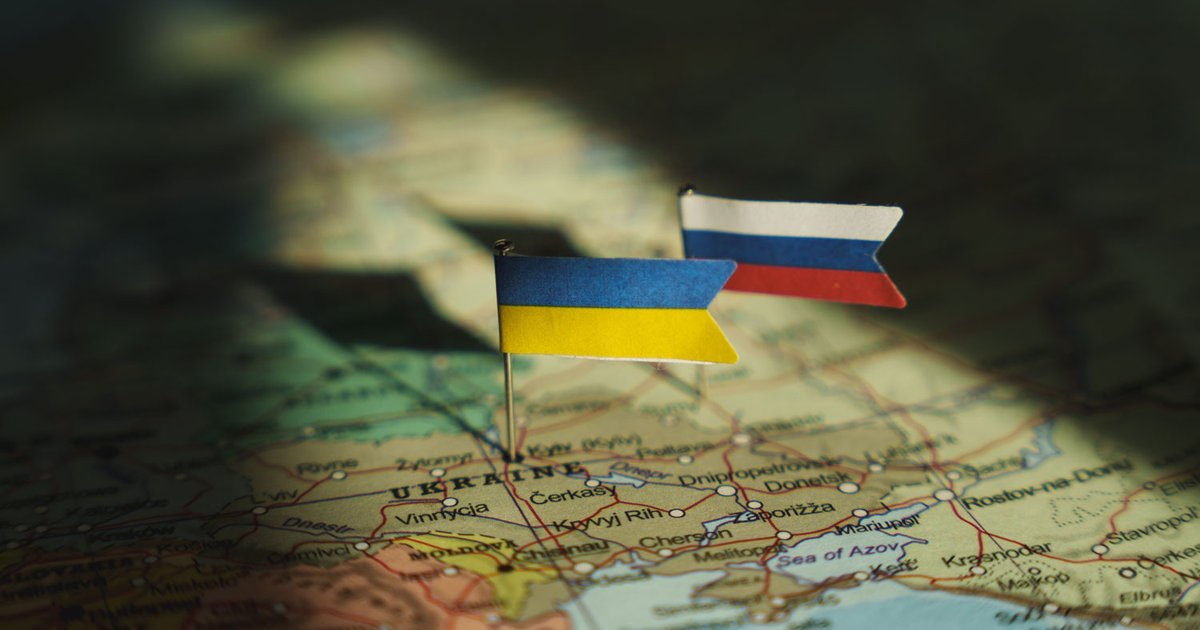
    The ongoing conflict between Russia and Ukraine continues to remain one of the most serious geopolitical issues in the world. Despite diplomatic efforts, military activity and political tension in the region have not fully stopped, making it a long-running crisis with global consequences.

    Background of the Conflict

    The conflict began due to deep political, historical, and security-related disagreements between Russia and Ukraine. Over time, these tensions escalated into military confrontation, drawing international attention and involvement from major global powers.

    Western countries, particularly members of the NATO, have supported Ukraine with military aid, financial assistance, and diplomatic backing. On the other hand, Russia continues to maintain its strategic objectives in the region, making the situation highly complex.

    Current Situation on the Ground

    As of 2026, the conflict remains active in several regions, with shifting control in certain areas. Military operations, drone activity, and defensive strategies continue on both sides.

    While some areas have seen temporary calm or reduced fighting, no permanent peace agreement has been fully achieved. This ongoing instability keeps the region in a constant state of uncertainty.

    Global Economic Impact

    The war has had a major impact on the global economy. Energy markets, food supply chains, and international trade have all been affected.

    • Europe has faced energy challenges due to reduced supply routes
    • Global food prices increased due to disruptions in grain exports
    • Defense spending has risen in many countries

    Organizations like the International Monetary Fund have repeatedly warned that prolonged conflict can slow global economic growth and increase financial instability.

    Humanitarian Situation

    The humanitarian impact of the conflict is significant. Millions of people have been displaced from their homes, and many are relying on international aid for survival.

    Infrastructure in affected areas, including housing, hospitals, and schools, has been damaged. Humanitarian organizations continue to provide support, but access remains difficult in conflict zones.

    Diplomatic Efforts and Peace Talks

    Various international efforts have been made to reduce tensions and bring both sides to the negotiating table. However, differences in political demands and security concerns have made long-term agreements difficult.

    Countries and organizations worldwide continue to call for dialogue and peaceful resolution, but progress has been slow and inconsistent.

    Impact on Global Politics

    The conflict has reshaped international relations. Countries have formed new alliances, strengthened defense policies, and re-evaluated security strategies.

    The war has also increased global attention on military preparedness and energy independence, especially in Europe and North America.

    Future Outlook

    The future of the conflict depends on several key factors:

    • Success of diplomatic negotiations
    • Military developments on both sides
    • International pressure and mediation
    • Economic conditions and sanctions

    A long-term resolution is still uncertain, but global leaders continue to push for stability and peace.

    Conclusion

    The ongoing conflict between Russia and Ukraine remains a critical global issue in 2026. Its impact extends far beyond the battlefield, affecting economies, politics, and humanitarian conditions worldwide.

    While efforts toward peace continue, the situation remains complex and unresolved. The world is closely watching, hoping for a future where stability and diplomacy replace conflict and uncertainty.

  • Global Financial Markets Under Watch: Navigating Uncertainty in 2026

    Global Financial Markets Under Watch: Navigating Uncertainty in 2026

    Global financial markets in 2026 are under close observation as investors, governments, and institutions respond to a mix of economic uncertainty, geopolitical tensions, and shifting monetary policies. From stock market volatility to currency fluctuations, the global financial system is experiencing a period of cautious movement, where every development has the potential to influence market direction.

    Rising Uncertainty in Global Markets

    One of the key reasons financial markets are under pressure is the ongoing geopolitical tension involving Iran, Israel, and the United States. These developments are creating instability in energy markets, particularly due to concerns surrounding the Strait of Hormuz.

    When uncertainty rises, investors tend to become more cautious. This leads to slower trading activity, reduced risk-taking, and increased demand for safer investments such as gold and government bonds.

    Impact of Inflation and Interest Rates

    Another major factor affecting global markets is inflation. Despite efforts by central banks, inflation remains a concern in many economies. Institutions like the International Monetary Fund have warned that rising energy prices could push inflation higher and slow economic growth.

    Central banks, including the Federal Reserve, are carefully adjusting interest rates to control inflation. Higher interest rates can help reduce spending and stabilize prices, but they also make borrowing more expensive, which can slow down business activity and investment.

    Stock Market Volatility

    Stock markets around the world are showing mixed signals. Some sectors, especially energy and defense, are performing well due to rising global tensions. However, industries like travel, manufacturing, and technology are facing pressure due to higher costs and uncertain demand.

    Investors are closely monitoring market indicators, including corporate earnings, inflation data, and global economic forecasts. Even small changes in these factors can lead to sharp market movements.

    Currency Fluctuations and Trade Impact

    Global currencies are also experiencing fluctuations as investors react to economic and political developments. The strength of the US dollar often increases during times of uncertainty, as it is considered a safe-haven currency.

    However, currency volatility can impact international trade. Countries that rely on imports may face higher costs, while exporters may benefit from favorable exchange rates. This creates both opportunities and challenges in the global market.

    Role of Oil Prices in Market Stability

    Oil prices play a critical role in shaping financial markets. Any disruption in supply, especially in key regions like the Middle East, can lead to sudden price increases. This not only affects energy companies but also has a ripple effect across all sectors of the economy.

    Higher oil prices increase production and transportation costs, which can reduce company profits and investor confidence. As a result, markets become more sensitive to geopolitical news and supply chain developments.

    Investor Sentiment and Market Behavior

    Investor sentiment is a key driver of market trends. In times of uncertainty, investors often shift their focus from high-risk assets to safer options. This behavior can lead to reduced liquidity in stock markets and increased demand for assets like gold, bonds, and stable currencies.

    At the same time, some investors look for opportunities in volatile markets, aiming to benefit from price fluctuations. This creates a dynamic environment where both caution and risk-taking exist simultaneously.

    Future Outlook for Global Markets

    The future of global financial markets will depend on several key factors:

    • Stability in geopolitical regions
    • Control of inflation and interest rates
    • Energy price movements
    • Global economic growth

    If tensions ease and inflation is controlled, markets may recover and stabilize. However, continued uncertainty could lead to prolonged volatility.

    Conclusion

    Global financial markets in 2026 are navigating a complex and uncertain environment. Factors such as geopolitical tensions, inflation, interest rate policies, and oil price fluctuations are all influencing market behavior.

    With major players like United States and organizations such as the International Monetary Fund closely monitoring developments, the world remains on alert.

    For investors and businesses, staying informed and adapting to changing conditions is essential. While challenges remain, opportunities also exist for those who can navigate the evolving financial landscape wisely.

  • AI & Technology Boom: The SEO Revolution in the Digital Era

    AI & Technology Boom: The SEO Revolution in the Digital Era

    The world is currently experiencing one of the fastest technological transformations in history, driven by artificial intelligence (AI) and advanced digital tools. This “AI and Technology Boom” is not only changing how people live and work, but it is also completely reshaping the world of Search Engine Optimization (SEO), digital marketing, and online business strategies.

    In 2026, AI has moved far beyond simple automation. It now powers content creation, data analysis, customer support, coding, and even decision-making processes in businesses. Companies are increasingly relying on AI tools to improve productivity and reduce costs. From chatbots to predictive analytics, AI is becoming a core part of every industry.

    However, one of the biggest areas impacted by this technological revolution is SEO. Search engines like Google are continuously upgrading their algorithms to provide users with more relevant, high-quality, and human-like content. As a result, traditional keyword stuffing and low-quality content strategies are no longer effective. Instead, AI-powered SEO strategies are now dominating the digital landscape.

    How AI is Changing SEO

    AI has completely transformed how SEO works. Modern search engines use machine learning models to understand user intent rather than just matching keywords. This means content must now focus on answering real questions, solving problems, and providing value.

    AI tools like content generators, keyword analyzers, and SERP (Search Engine Results Page) trackers help marketers create optimized content faster than ever before. These tools analyze millions of data points in seconds, helping businesses identify trending topics, competitor strategies, and ranking opportunities.

    For example, AI can now suggest long-tail keywords, predict search trends, and even recommend content structures that are more likely to rank higher. This has made SEO more data-driven and competitive.

    Rise of AI-Generated Content

    One of the biggest changes in the SEO world is the rise of AI-generated content. Businesses are using AI tools to produce blog posts, product descriptions, and marketing copy at scale. While this improves efficiency, it also creates challenges in maintaining originality and authenticity.

    Search engines are becoming smarter at detecting low-quality or repetitive AI content. As a result, websites that combine AI efficiency with human creativity tend to perform better in rankings. The key is balance—using AI as an assistant, not a replacement for human writers.

    Voice Search and Conversational SEO

    Another major trend in the AI and technology boom is voice search optimization. With the increasing use of smart assistants like Siri, Alexa, and Google Assistant, users are now searching in a more conversational way.

    Instead of typing “best SEO tools 2026,” users might ask, “What are the best SEO tools I can use this year?” This shift means SEO strategies must focus on natural language, long-form content, and question-based optimization.

    AI helps businesses analyze these conversational patterns and adjust their content accordingly, making websites more visible in voice search results.

    Personalization and User Experience

    AI is also improving personalization in search results. Search engines now consider user behavior, location, device type, and search history to deliver customized results.

    This means two people searching the same keyword may see different results based on their preferences. Websites that provide better user experience—fast loading speed, mobile optimization, and engaging content—are rewarded with higher rankings.

    Impact on Digital Marketing and Businesses

    The AI and technology boom has forced businesses to rethink their digital marketing strategies. SEO is no longer just about ranking keywords; it is about building authority, trust, and engagement.

    Companies are investing heavily in AI-driven marketing tools to analyze customer behavior, automate campaigns, and optimize content performance. Small businesses, in particular, benefit from AI because it levels the playing field, allowing them to compete with larger corporations.

    At the same time, competition in SEO has increased significantly. Since AI tools are widely available, more websites are producing optimized content, making it harder to stand out. This has increased the importance of originality, branding, and high-quality backlinks.

    Future of AI and SEO

    The future of SEO will be deeply integrated with AI. Search engines are expected to become even more intelligent, focusing on user satisfaction rather than just keywords. Visual search, AI-generated summaries, and predictive search results will become more common.

    Websites that adapt quickly to these changes will have a strong advantage. Businesses that ignore AI trends may struggle to maintain visibility in search rankings.

    Conclusion

    The AI and technology boom is revolutionizing SEO and digital marketing at an unprecedented speed. From content creation to search ranking algorithms, AI is reshaping every aspect of the online world.

    Success in this new era depends on how effectively businesses use AI tools while maintaining human creativity and authenticity. SEO is no longer just a technical skill—it is now a blend of data science, storytelling, and strategic thinking powered by artificial intelligence.

  • Global Economy and Inflation: Challenges in an Uncertain World

    Global Economy and Inflation: Challenges in an Uncertain World

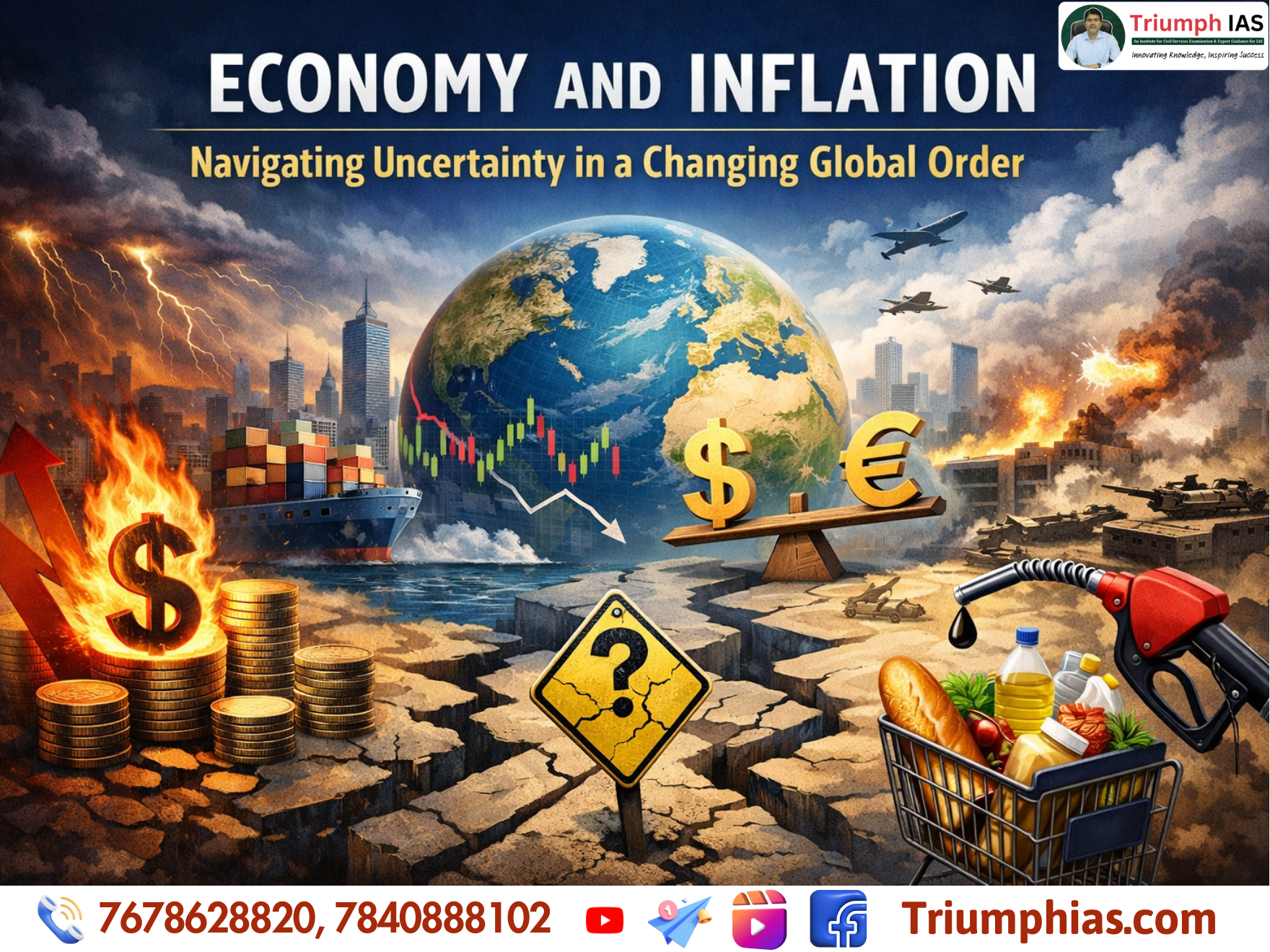
    The global economy in 2026 is facing a complex mix of recovery and uncertainty, with inflation remaining one of the most pressing concerns for governments, businesses, and individuals alike. After years of economic disruption caused by pandemics, geopolitical tensions, and supply chain issues, the world had begun to stabilize. However, recent developments—especially conflicts in the Middle East—have once again put pressure on economic growth and price stability.

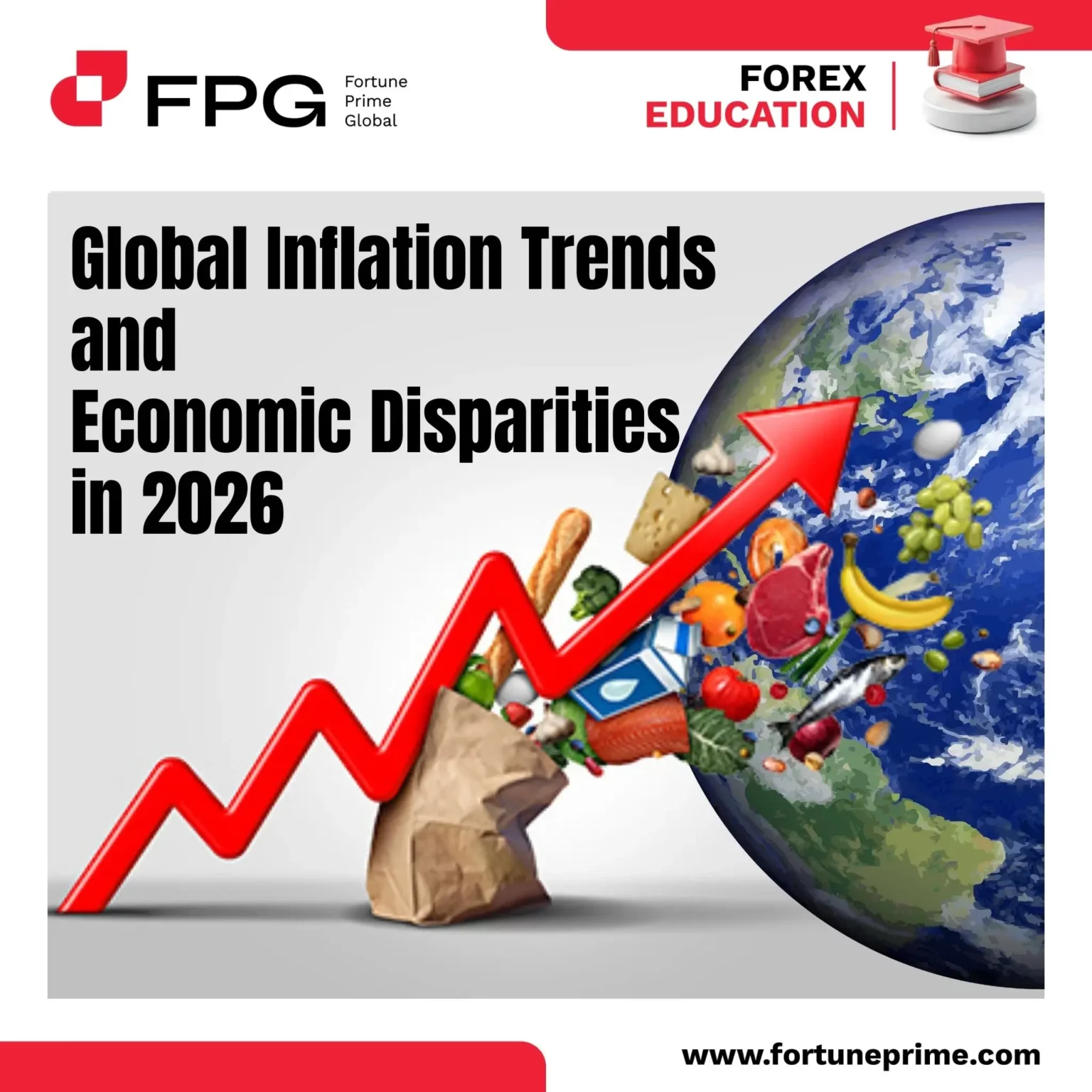
    Inflation, which refers to the general increase in prices over time, has been a key issue across both developed and developing economies. According to the International Monetary Fund, global inflation is expected to gradually decline, reaching around 3.7% in 2026 after higher levels in previous years. However, this overall trend hides significant regional differences, as some countries continue to experience high inflation due to local economic challenges and external shocks.

    One of the biggest drivers of inflation in recent months has been the rise in energy prices. Ongoing tensions involving Iran have disrupted oil supply routes and created uncertainty in global markets. As oil prices increase, transportation and production costs also rise, leading to higher prices for goods and services worldwide. The IMF has warned that even a 10% sustained increase in oil prices can significantly raise global inflation while slowing economic growth.

    Recent news highlights how closely linked geopolitics and the global economy have become. European Central Bank President Christine Lagarde has warned that the ongoing conflict could push inflation higher than expected while weakening economic growth in Europe. Similarly, the IMF has noted that the global economic outlook has worsened due to the conflict, reducing growth forecasts and increasing uncertainty.

    Another important factor influencing inflation is monetary policy. Central banks around the world, including the Federal Reserve, have been adjusting interest rates to control inflation. Higher interest rates are used to reduce spending and borrowing, which can help bring down prices. However, this also slows economic growth, creating a difficult balance for policymakers. In 2026, many central banks remain cautious, as inflation is still above their target levels.

    Despite these challenges, there are some positive signs. In certain cases, easing tensions or improved supply conditions have led to temporary relief. For example, when shipping routes such as the Strait of Hormuz remain open, oil prices can drop, reducing inflationary pressure and boosting financial markets. However, such improvements are often short-lived due to ongoing geopolitical risks.

    Inflation does not affect all countries equally. Developed economies like the United States and parts of Europe are experiencing moderate inflation, while many developing countries are facing much higher rates. In some regions, rising food and fuel prices are placing a heavy burden on households, especially those with lower incomes. For example, in parts of Latin America and the Caribbean, inflation is expected to increase due to rising energy and food costs, putting additional strain on already fragile economies.

    Another concern is the long-term impact of inflation on economic growth. High and unstable inflation can reduce consumer confidence, discourage investment, and increase poverty levels. Businesses may struggle to plan for the future, while governments may face increased pressure to provide subsidies or financial support. These factors can slow down overall economic development and widen inequality between countries.

    At the same time, structural changes in the global economy are also shaping inflation trends. Advances in technology, particularly in artificial intelligence, are helping improve productivity and reduce costs in some sectors. However, trade tensions, protectionist policies, and supply chain disruptions continue to create uncertainty. The global economy is becoming more fragmented, making coordinated international responses more difficult.

    In conclusion, the global economy in 2026 is navigating a challenging environment marked by inflation, geopolitical tensions, and policy uncertainty. While inflation is expected to gradually decline, risks remain high due to external shocks such as energy price fluctuations and conflicts. Policymakers must carefully balance efforts to control inflation with the need to support economic growth. Ultimately, international cooperation, stable energy markets, and effective economic policies will be crucial in ensuring a more stable and sustainable global economy in the years ahead.

  • Middle East Conflict: Rising Tensions and Global Consequences

    Middle East Conflict: Rising Tensions and Global Consequences

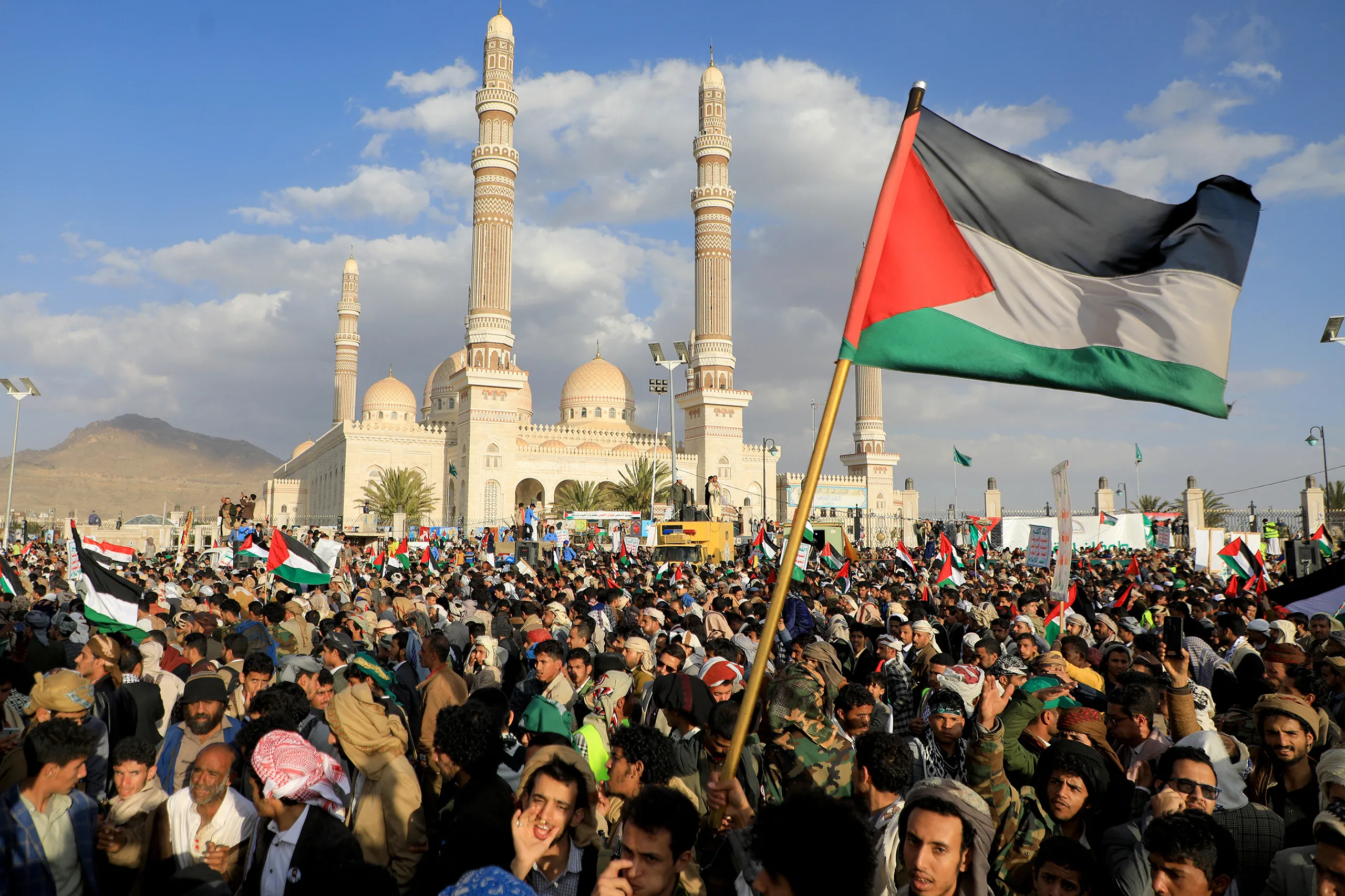
    The Middle East has once again become the center of global attention as tensions involving Iran and its regional rivals continue to escalate. This evolving situation is not just a regional issue—it carries serious implications for global security, economic stability, and international diplomacy. With growing concerns over military confrontation, energy supply disruptions, and political alliances, the world is closely watching every development.

    At the heart of the current crisis lies the long-standing rivalry between Iran and countries aligned with United States interests in the region, particularly Israel and several Gulf nations. This tension is rooted in ideological differences, geopolitical competition, and disputes over influence in countries like Syria, Iraq, and Yemen. Over the years, these rivalries have fueled proxy conflicts, making the region one of the most unstable in the world.

    Recently, the situation has intensified due to a series of military incidents and strategic warnings. Reports of drone attacks, naval confrontations in key waterways, and heightened military readiness have raised fears of a direct confrontation. The Strait of Hormuz—a crucial passage for global oil shipments—has become a focal point of concern. Any disruption in this area could severely impact the global energy market, as a significant portion of the world’s oil supply passes through this narrow corridor.

    One of the most immediate consequences of rising tensions has been the surge in global oil prices. As uncertainty grows, markets react quickly, leading to increased fuel costs worldwide. This has a domino effect on economies, contributing to inflation and higher living costs. Countries that rely heavily on oil imports are particularly vulnerable, as they face both economic strain and political pressure to secure energy supplies.

    Beyond economic concerns, the possibility of military escalation remains a major worry. A direct conflict involving Iran, Israel, and potentially the United States could lead to widespread instability. Such a conflict would likely draw in other regional and global powers, further complicating the situation. The risk of miscalculation or unintended escalation is particularly high, given the number of actors involved and the complexity of alliances.

    Diplomatic efforts are ongoing, but progress remains uncertain. International organizations like the United Nations have called for restraint and dialogue, urging all parties to avoid actions that could worsen the situation. However, deep-rooted mistrust and conflicting interests make negotiations difficult. While some countries advocate for de-escalation and peaceful resolution, others continue to adopt a more aggressive stance to protect their strategic interests.

    Another important dimension of the conflict is its humanitarian impact. Ongoing instability in the Middle East has already led to displacement, loss of life, and widespread suffering in several countries. If tensions escalate further, the humanitarian crisis could worsen significantly, putting millions of civilians at risk. Access to basic necessities such as food, water, and healthcare could become even more limited, especially in conflict-affected areas.

    The role of global powers cannot be ignored in this situation. The involvement of the United States, as well as other influential nations, shapes the dynamics of the conflict. Strategic interests, including control over resources, regional influence, and security concerns, drive many of the decisions being made. At the same time, emerging powers are also seeking to expand their presence in the region, adding another layer of complexity to an already intricate geopolitical landscape.

    In conclusion, the current Middle East conflict represents a critical moment with far-reaching consequences. What happens next will not only affect the countries directly involved but also have a lasting impact on the global order. The need for careful diplomacy, responsible leadership, and international cooperation has never been greater. Without meaningful efforts to reduce tensions, the risk of escalation remains high, posing a threat to peace and stability both regionally and globally.

  • Scottish Grand National 2026: A Thrilling Showcase of Endurance and Prestige

    Scottish Grand National 2026: A Thrilling Showcase of Endurance and Prestige

    The Scottish Grand National 2026 once again proved why it remains one of the most prestigious and eagerly anticipated events in the British horse racing calendar. Held annually at Ayr Racecourse, this iconic race combines tradition, excitement, and elite competition, attracting fans, bettors, and professionals from around the world. The 2026 edition lived up to expectations, delivering a dramatic and unforgettable spectacle.

    The Scottish Grand National is a long-distance steeplechase, covering approximately four miles and featuring over twenty challenging fences. This demanding format tests not only the speed of the horses but also their stamina, jumping ability, and composure under pressure. Jockeys, too, must demonstrate exceptional skill, timing, and tactical awareness to navigate the race successfully. It is precisely this combination of endurance and strategy that makes the event so captivating.

    In 2026, the race drew a highly competitive field of runners, including seasoned contenders and emerging talents. Leading trainers entered their best horses, hoping to secure victory in one of the sport’s most respected races. Ahead of the event, betting markets were abuzz with predictions, with several favorites attracting significant attention. However, as is often the case in horse racing, unpredictability played a central role, and the outcome kept fans guessing until the very end.

    From the start, the pace was intense, with several frontrunners eager to establish an early advantage. As the race progressed, the challenging fences began to take their toll, testing the endurance of both horses and jockeys. Midway through the race, positions shifted dramatically as some early leaders faded and others surged forward. These constant changes added to the excitement and showcased the unpredictable nature of the competition.

    One of the defining features of the 2026 race was the exceptional performance in the final stretch. As the leading horses approached the last few fences, the tension among spectators reached its peak. The eventual winner displayed remarkable stamina and composure, maintaining speed while executing precise jumps under pressure. The jockey’s strategic decision-making during these crucial moments played a decisive role in securing victory.

    Beyond the race itself, the event created a vibrant and festive atmosphere at Ayr Racecourse. Thousands of spectators attended in person, dressed in stylish attire that reflects the long-standing traditions of British racing culture. The venue offered a wide range of entertainment, including food stalls, hospitality areas, and live coverage, making it a complete experience for attendees. For many, the Scottish Grand National is not just a race but a social and cultural occasion.

    The 2026 edition also highlighted the importance of safety and animal welfare in modern horse racing. Organizers implemented enhanced measures to ensure the well-being of both horses and jockeys. Veterinary teams were on standby throughout the event, and track conditions were carefully managed to minimize risks. These efforts reflect the sport’s ongoing commitment to maintaining high standards of care and responsibility.

    Economically, the Scottish Grand National continues to provide a significant boost to the local area. The influx of visitors supports hotels, restaurants, and other businesses in Ayr and surrounding regions. This economic impact underscores the broader importance of the event beyond the sporting arena, contributing to tourism and regional development.

    Media coverage played a crucial role in amplifying the reach of the 2026 race. Major broadcasters and digital platforms provided extensive live coverage, allowing millions of viewers worldwide to follow the action. Social media platforms were flooded with reactions, highlights, and discussions, further enhancing the event’s global visibility. The race trended across multiple platforms, demonstrating its enduring popularity.

    Another noteworthy aspect of the Scottish Grand National is its role in nurturing new talent. The race provides an opportunity for emerging jockeys and trainers to compete on a prestigious stage. In 2026, several rising stars made a strong impression, signaling a promising future for the sport. Their performances added an extra layer of excitement and hinted at the next generation of champions.

    In conclusion, the Scottish Grand National 2026 successfully upheld its reputation as a premier event in the world of horse racing. With its blend of tradition, competition, and spectacle, it continues to captivate audiences year after year. The race not only delivered thrilling action but also reinforced its cultural and economic significance. As fans look ahead to future editions, the legacy of this iconic event remains stronger than ever.

  • Indian Premier League (IPL): The World’s Biggest T20 Cricket League

    Indian Premier League (IPL): The World’s Biggest T20 Cricket League

    The Indian Premier League (IPL) is the most popular and valuable T20 cricket league in the world. It was started in 2008 by the Board of Control for Cricket in India (BCCI) and has grown into a global sports phenomenon.

    IPL features ten teams representing different cities in India, such as Mumbai, Chennai, Bangalore, Kolkata, Delhi, and others. The league attracts top international cricketers and is known for its high-quality competition and entertainment value.

    One of the biggest reasons for IPL’s success is its massive financial power. It has huge broadcasting deals, strong sponsorships, and global viewership. This makes it one of the richest cricket leagues in the world.

    IPL also provides a strong platform for young Indian players. Many cricketers have built successful international careers after performing well in the IPL. The league is highly competitive, and players must perform consistently to stay in the teams.

    Another major strength of IPL is its entertainment value. Matches are played in packed stadiums with a festive atmosphere, and fans from all over the world follow the league closely. The presence of world-class players makes every match exciting and unpredictable.

    However, IPL also brings a lot of pressure. The expectations from franchises, fans, and sponsors are extremely high. Young players sometimes struggle to handle this pressure, but those who perform well gain huge recognition and career opportunities.

    In conclusion, the IPL is not just a cricket league but a global entertainment brand. It has changed the way cricket is played and viewed, making it the most powerful T20 league in the world.