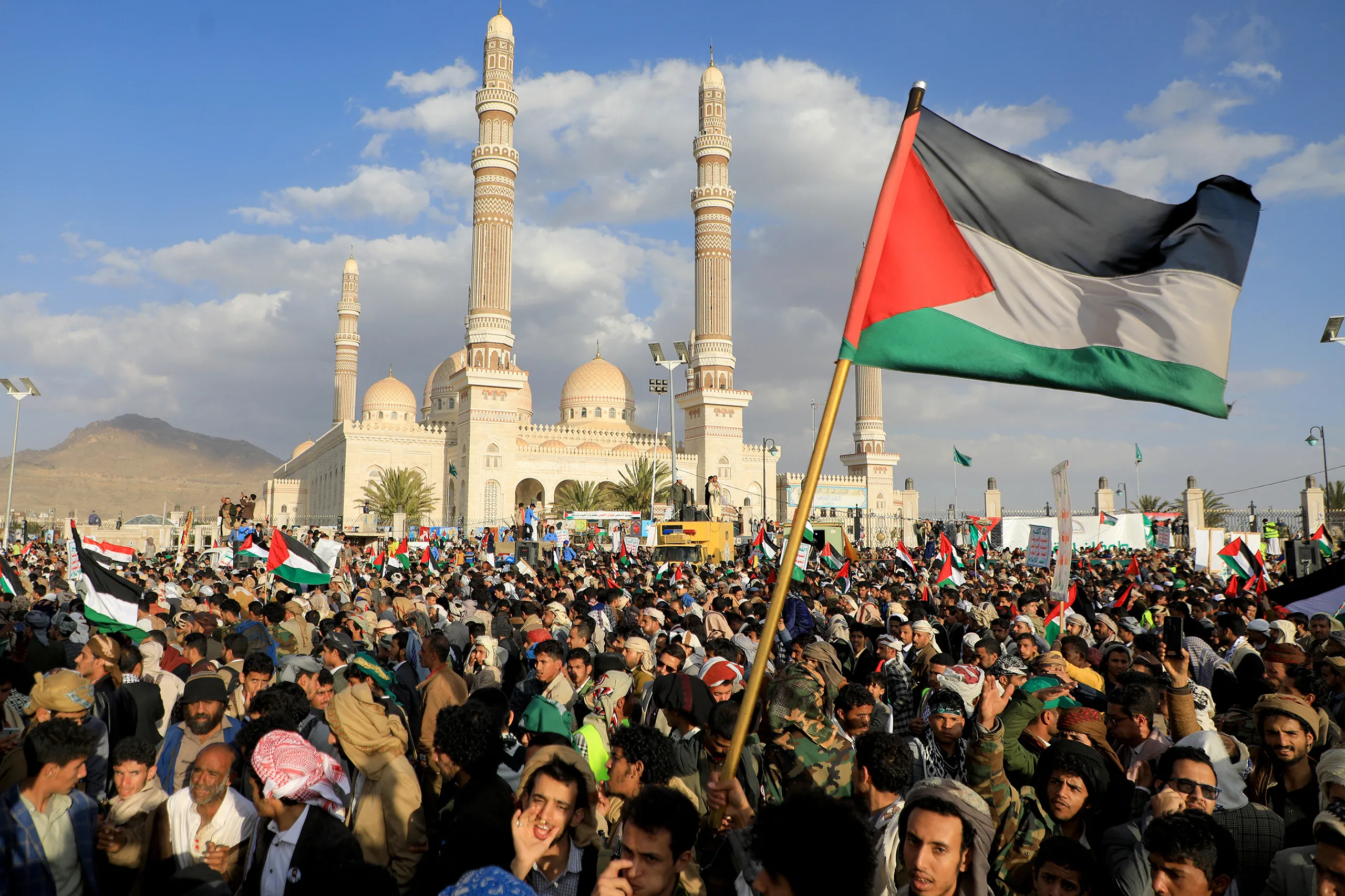
The Middle East has once again become the center of global attention as tensions involving Iran and its regional rivals continue to escalate. This evolving situation is not just a regional issue—it carries serious implications for global security, economic stability, and international diplomacy. With growing concerns over military confrontation, energy supply disruptions, and political alliances, the world is closely watching every development.
At the heart of the current crisis lies the long-standing rivalry between Iran and countries aligned with United States interests in the region, particularly Israel and several Gulf nations. This tension is rooted in ideological differences, geopolitical competition, and disputes over influence in countries like Syria, Iraq, and Yemen. Over the years, these rivalries have fueled proxy conflicts, making the region one of the most unstable in the world.
Recently, the situation has intensified due to a series of military incidents and strategic warnings. Reports of drone attacks, naval confrontations in key waterways, and heightened military readiness have raised fears of a direct confrontation. The Strait of Hormuz—a crucial passage for global oil shipments—has become a focal point of concern. Any disruption in this area could severely impact the global energy market, as a significant portion of the world’s oil supply passes through this narrow corridor.
One of the most immediate consequences of rising tensions has been the surge in global oil prices. As uncertainty grows, markets react quickly, leading to increased fuel costs worldwide. This has a domino effect on economies, contributing to inflation and higher living costs. Countries that rely heavily on oil imports are particularly vulnerable, as they face both economic strain and political pressure to secure energy supplies.
Beyond economic concerns, the possibility of military escalation remains a major worry. A direct conflict involving Iran, Israel, and potentially the United States could lead to widespread instability. Such a conflict would likely draw in other regional and global powers, further complicating the situation. The risk of miscalculation or unintended escalation is particularly high, given the number of actors involved and the complexity of alliances.
Diplomatic efforts are ongoing, but progress remains uncertain. International organizations like the United Nations have called for restraint and dialogue, urging all parties to avoid actions that could worsen the situation. However, deep-rooted mistrust and conflicting interests make negotiations difficult. While some countries advocate for de-escalation and peaceful resolution, others continue to adopt a more aggressive stance to protect their strategic interests.
Another important dimension of the conflict is its humanitarian impact. Ongoing instability in the Middle East has already led to displacement, loss of life, and widespread suffering in several countries. If tensions escalate further, the humanitarian crisis could worsen significantly, putting millions of civilians at risk. Access to basic necessities such as food, water, and healthcare could become even more limited, especially in conflict-affected areas.
The role of global powers cannot be ignored in this situation. The involvement of the United States, as well as other influential nations, shapes the dynamics of the conflict. Strategic interests, including control over resources, regional influence, and security concerns, drive many of the decisions being made. At the same time, emerging powers are also seeking to expand their presence in the region, adding another layer of complexity to an already intricate geopolitical landscape.
In conclusion, the current Middle East conflict represents a critical moment with far-reaching consequences. What happens next will not only affect the countries directly involved but also have a lasting impact on the global order. The need for careful diplomacy, responsible leadership, and international cooperation has never been greater. Without meaningful efforts to reduce tensions, the risk of escalation remains high, posing a threat to peace and stability both regionally and globally.
Leave a Reply