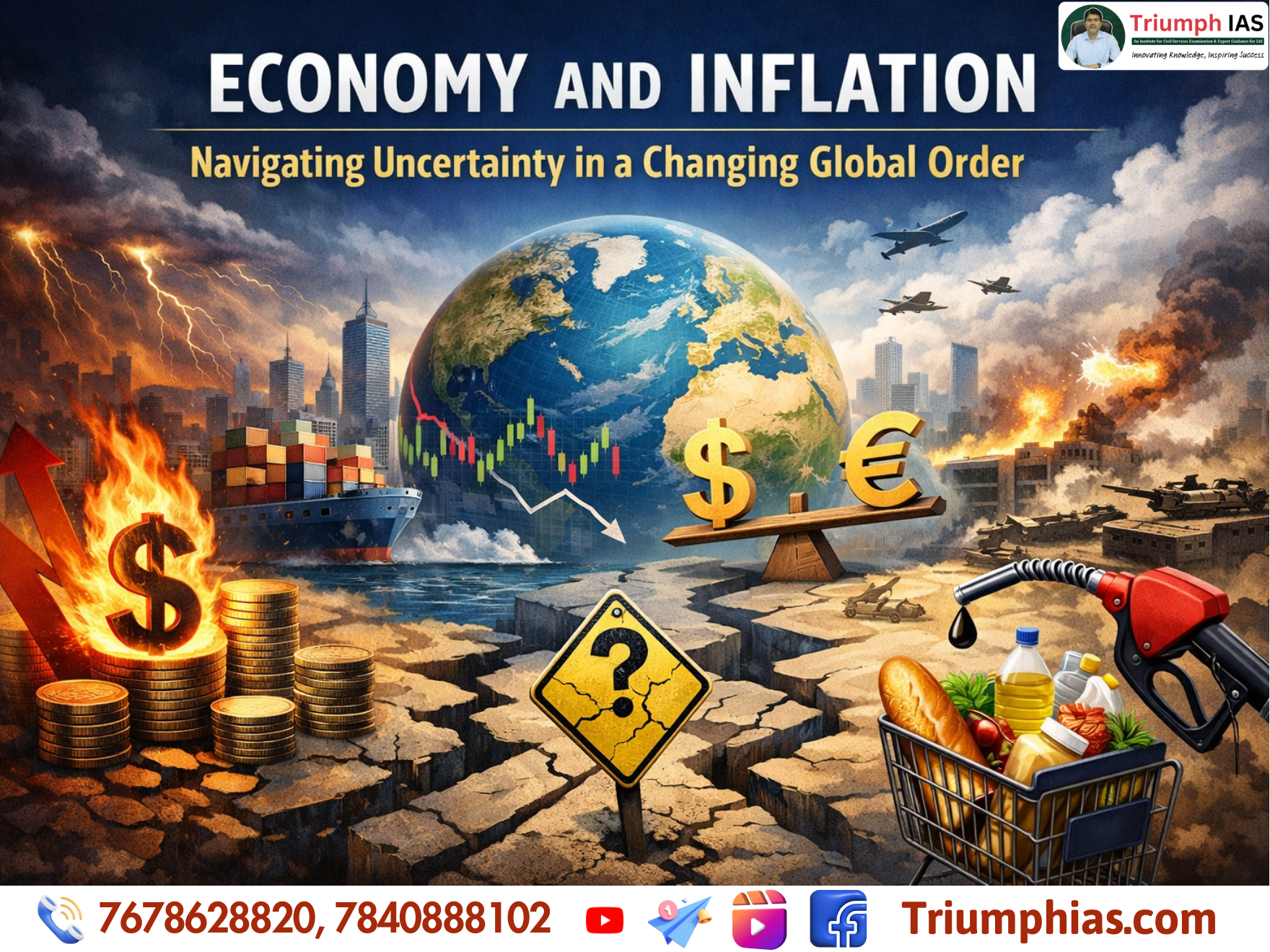
Global financial markets in 2026 are under close observation as investors, governments, and institutions respond to a mix of economic uncertainty, geopolitical tensions, and shifting monetary policies. From stock market volatility to currency fluctuations, the global financial system is experiencing a period of cautious movement, where every development has the potential to influence market direction.
Rising Uncertainty in Global Markets
One of the key reasons financial markets are under pressure is the ongoing geopolitical tension involving Iran, Israel, and the United States. These developments are creating instability in energy markets, particularly due to concerns surrounding the Strait of Hormuz.
When uncertainty rises, investors tend to become more cautious. This leads to slower trading activity, reduced risk-taking, and increased demand for safer investments such as gold and government bonds.
Impact of Inflation and Interest Rates
Another major factor affecting global markets is inflation. Despite efforts by central banks, inflation remains a concern in many economies. Institutions like the International Monetary Fund have warned that rising energy prices could push inflation higher and slow economic growth.
Central banks, including the Federal Reserve, are carefully adjusting interest rates to control inflation. Higher interest rates can help reduce spending and stabilize prices, but they also make borrowing more expensive, which can slow down business activity and investment.
Stock Market Volatility
Stock markets around the world are showing mixed signals. Some sectors, especially energy and defense, are performing well due to rising global tensions. However, industries like travel, manufacturing, and technology are facing pressure due to higher costs and uncertain demand.
Investors are closely monitoring market indicators, including corporate earnings, inflation data, and global economic forecasts. Even small changes in these factors can lead to sharp market movements.
Currency Fluctuations and Trade Impact
Global currencies are also experiencing fluctuations as investors react to economic and political developments. The strength of the US dollar often increases during times of uncertainty, as it is considered a safe-haven currency.
However, currency volatility can impact international trade. Countries that rely on imports may face higher costs, while exporters may benefit from favorable exchange rates. This creates both opportunities and challenges in the global market.
Role of Oil Prices in Market Stability
Oil prices play a critical role in shaping financial markets. Any disruption in supply, especially in key regions like the Middle East, can lead to sudden price increases. This not only affects energy companies but also has a ripple effect across all sectors of the economy.
Higher oil prices increase production and transportation costs, which can reduce company profits and investor confidence. As a result, markets become more sensitive to geopolitical news and supply chain developments.
Investor Sentiment and Market Behavior
Investor sentiment is a key driver of market trends. In times of uncertainty, investors often shift their focus from high-risk assets to safer options. This behavior can lead to reduced liquidity in stock markets and increased demand for assets like gold, bonds, and stable currencies.
At the same time, some investors look for opportunities in volatile markets, aiming to benefit from price fluctuations. This creates a dynamic environment where both caution and risk-taking exist simultaneously.
Future Outlook for Global Markets
The future of global financial markets will depend on several key factors:
- Stability in geopolitical regions
- Control of inflation and interest rates
- Energy price movements
- Global economic growth
If tensions ease and inflation is controlled, markets may recover and stabilize. However, continued uncertainty could lead to prolonged volatility.
Conclusion
Global financial markets in 2026 are navigating a complex and uncertain environment. Factors such as geopolitical tensions, inflation, interest rate policies, and oil price fluctuations are all influencing market behavior.
With major players like United States and organizations such as the International Monetary Fund closely monitoring developments, the world remains on alert.
For investors and businesses, staying informed and adapting to changing conditions is essential. While challenges remain, opportunities also exist for those who can navigate the evolving financial landscape wisely.
Leave a Reply