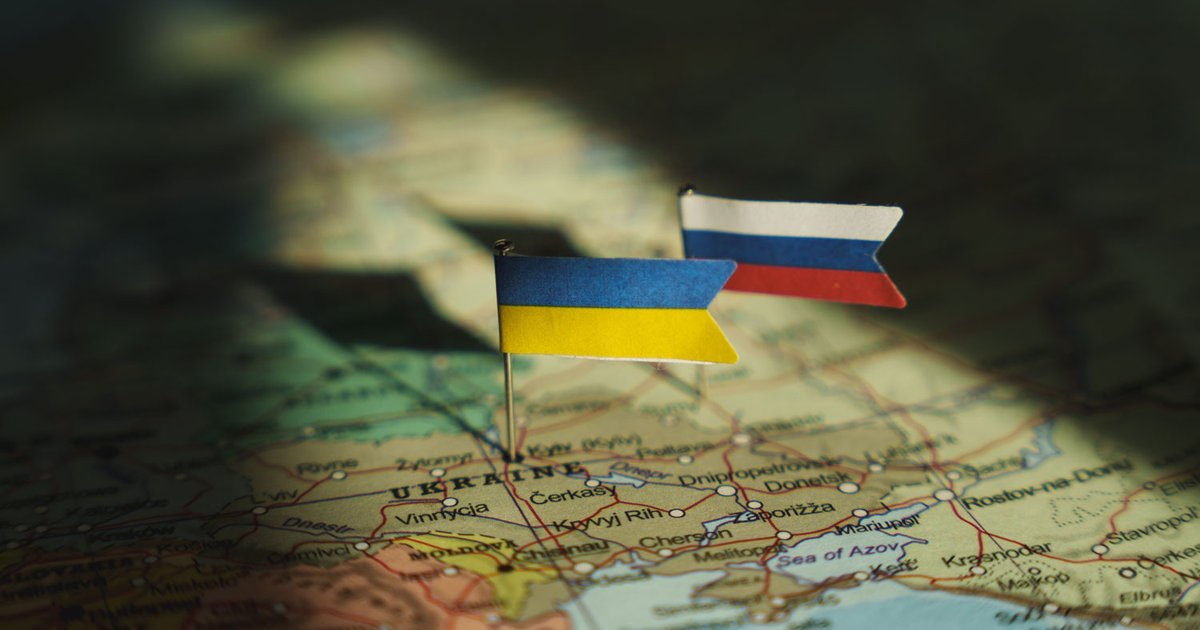
The ongoing conflict between Russia and Ukraine continues to remain one of the most serious geopolitical issues in the world. Despite diplomatic efforts, military activity and political tension in the region have not fully stopped, making it a long-running crisis with global consequences.
Background of the Conflict
The conflict began due to deep political, historical, and security-related disagreements between Russia and Ukraine. Over time, these tensions escalated into military confrontation, drawing international attention and involvement from major global powers.
Western countries, particularly members of the NATO, have supported Ukraine with military aid, financial assistance, and diplomatic backing. On the other hand, Russia continues to maintain its strategic objectives in the region, making the situation highly complex.
Current Situation on the Ground
As of 2026, the conflict remains active in several regions, with shifting control in certain areas. Military operations, drone activity, and defensive strategies continue on both sides.
While some areas have seen temporary calm or reduced fighting, no permanent peace agreement has been fully achieved. This ongoing instability keeps the region in a constant state of uncertainty.
Global Economic Impact
The war has had a major impact on the global economy. Energy markets, food supply chains, and international trade have all been affected.
- Europe has faced energy challenges due to reduced supply routes
- Global food prices increased due to disruptions in grain exports
- Defense spending has risen in many countries
Organizations like the International Monetary Fund have repeatedly warned that prolonged conflict can slow global economic growth and increase financial instability.
Humanitarian Situation
The humanitarian impact of the conflict is significant. Millions of people have been displaced from their homes, and many are relying on international aid for survival.
Infrastructure in affected areas, including housing, hospitals, and schools, has been damaged. Humanitarian organizations continue to provide support, but access remains difficult in conflict zones.
Diplomatic Efforts and Peace Talks
Various international efforts have been made to reduce tensions and bring both sides to the negotiating table. However, differences in political demands and security concerns have made long-term agreements difficult.
Countries and organizations worldwide continue to call for dialogue and peaceful resolution, but progress has been slow and inconsistent.
Impact on Global Politics
The conflict has reshaped international relations. Countries have formed new alliances, strengthened defense policies, and re-evaluated security strategies.
The war has also increased global attention on military preparedness and energy independence, especially in Europe and North America.
Future Outlook
The future of the conflict depends on several key factors:
- Success of diplomatic negotiations
- Military developments on both sides
- International pressure and mediation
- Economic conditions and sanctions
A long-term resolution is still uncertain, but global leaders continue to push for stability and peace.
Conclusion
The ongoing conflict between Russia and Ukraine remains a critical global issue in 2026. Its impact extends far beyond the battlefield, affecting economies, politics, and humanitarian conditions worldwide.
While efforts toward peace continue, the situation remains complex and unresolved. The world is closely watching, hoping for a future where stability and diplomacy replace conflict and uncertainty.
Leave a Reply