The Iran–USA Conflict: Causes, Escalation, and Global Consequences
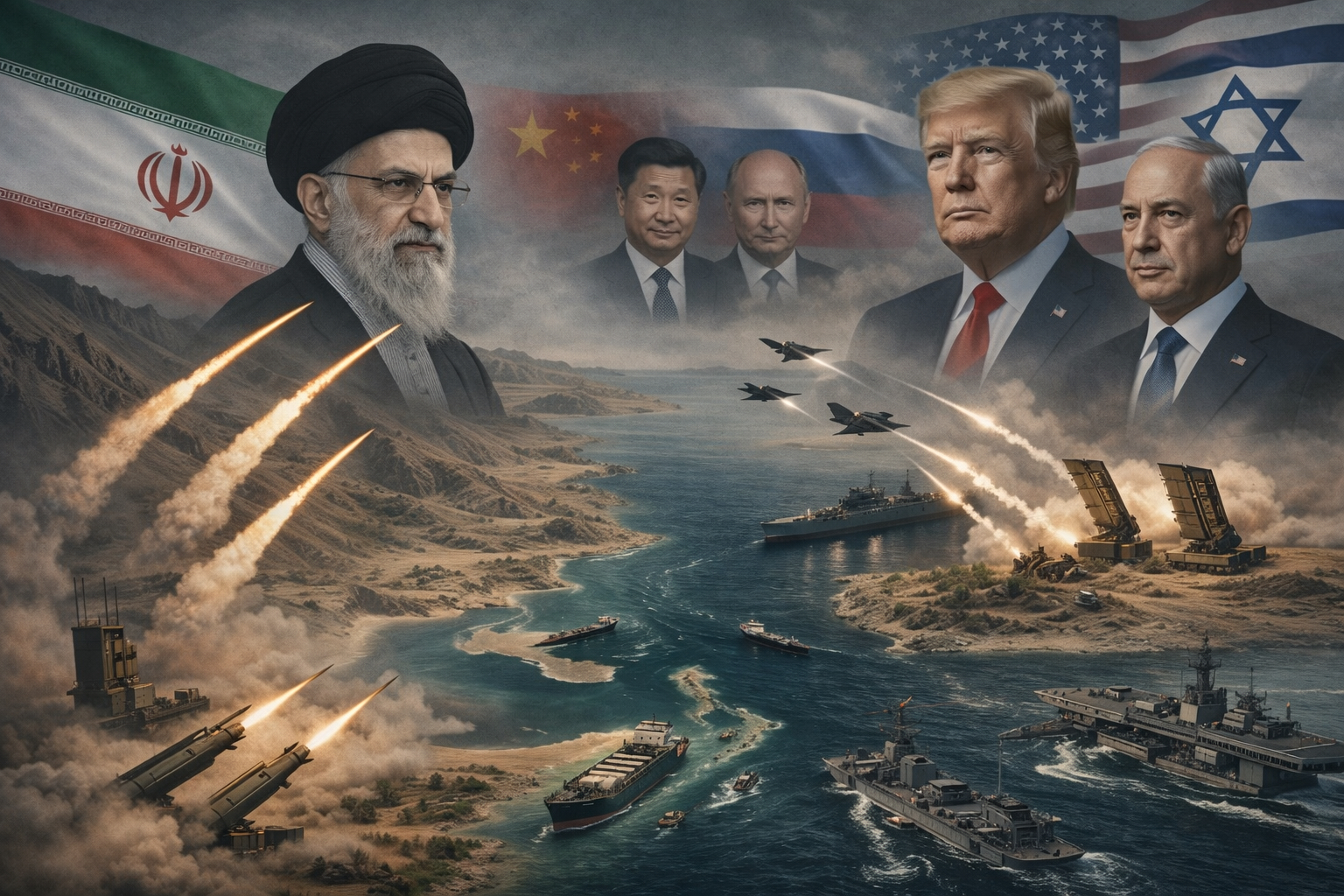
The relationship between the United States and Iran has been defined by decades of tension, mistrust, and competing strategic interests. In 2026, this long-standing rivalry escalated into a major conflict that drew global attention and raised serious concerns about regional stability and international security. Understanding the origins, developments, and consequences of this conflict is essential to grasp its broader impact on the world.
Historical Context
Tensions between the United States and Iran date back to the 1979 Islamic Revolution, when Iran transitioned from a Western-aligned monarchy to an Islamic republic. The subsequent hostage crisis, in which American diplomats were held in Tehran for over a year, cemented hostility between the two nations. Over the decades, disagreements over Iran’s nuclear ambitions, regional influence, and U.S.-imposed sanctions continued to strain relations.
Attempts at diplomacy, such as the 2015 nuclear agreement, temporarily reduced tensions by limiting Iran’s nuclear program in exchange for sanctions relief. However, the agreement eventually collapsed, leading to renewed sanctions and escalating confrontations. By the mid-2020s, both countries had returned to a cycle of pressure, retaliation, and strategic positioning.
The 2026 Escalation
The conflict intensified dramatically in early 2026 when the United States, along with regional allies, launched coordinated military strikes targeting Iranian military facilities and strategic infrastructure. These operations were described as efforts to weaken Iran’s military capabilities and deter further regional aggression. The scale and speed of the strikes marked one of the most significant military actions in the region in recent years.
Iran responded swiftly with retaliatory measures, including missile and drone attacks on U.S. bases and allied targets across the Middle East. These counterattacks expanded the scope of the conflict, drawing in multiple countries and increasing the risk of a broader regional war. The rapid escalation highlighted how fragile the situation had become and how quickly tensions could spiral out of control.
Regional and Global Impact
The consequences of the conflict were felt far beyond the immediate region. One of the most critical concerns was the potential disruption of global energy supplies. The Strait of Hormuz, a vital passage through which a significant portion of the world’s oil supply flows, became a focal point of tension. Any threat to this route caused fluctuations in oil prices and uncertainty in global markets.
Economic instability followed, as investors reacted to the growing risk of prolonged conflict. Stock markets experienced volatility, and concerns about inflation and supply chain disruptions increased. International trade routes were affected, with shipping delays and higher transportation costs impacting businesses worldwide.
Air travel was also disrupted, with many airlines rerouting or canceling flights to avoid conflict zones. This not only affected tourism but also complicated global logistics and cargo movement. The ripple effects demonstrated how a regional conflict could quickly influence the global economy.
Political and Strategic Implications
The conflict also had significant political implications. Within the United States, debates intensified over foreign policy decisions, military involvement, and the long-term strategy toward Iran. Internationally, allies and global powers responded with a mix of support, caution, and calls for de-escalation.
For Iran, the conflict reinforced its position as a key player in regional politics while also exposing vulnerabilities in its infrastructure and economy. The situation underscored the complex balance between demonstrating strength and avoiding further escalation that could lead to devastating consequences.
Ceasefire Efforts and Ongoing Tensions
Amid growing concerns, diplomatic efforts were initiated to achieve a ceasefire and prevent further escalation. While temporary pauses in hostilities were discussed, the situation remained fragile. Incidents such as military skirmishes and strategic maneuvers continued to threaten stability.
Both sides maintained a cautious stance, aware that any miscalculation could reignite full-scale conflict. The lack of trust and the presence of unresolved issues made it difficult to achieve a lasting resolution. As a result, the region remained on edge, with the potential for renewed confrontation always present.
Future Outlook
The future of U.S.–Iran relations remains uncertain. While diplomatic channels are still open, deep-rooted differences and competing interests pose significant challenges to long-term peace. The conflict has highlighted the importance of dialogue, restraint, and international cooperation in addressing complex geopolitical issues.
At the same time, it has demonstrated how interconnected the modern world is. Events in one region can quickly have global repercussions, affecting economies, security, and everyday life across continents. Policymakers and global leaders face the difficult task of managing these risks while seeking sustainable solutions.
Conclusion
The Iran–USA conflict of 2026 represents a critical moment in modern geopolitics. It reflects decades of tension, strategic rivalry, and missed opportunities for lasting peace. Its impact extends far beyond the battlefield, influencing global markets, political dynamics, and international relations.
Understanding this conflict requires not only examining its immediate causes but also recognizing the broader historical and strategic context. As the world continues to navigate the consequences, the need for careful diplomacy and responsible decision-making has never been more important.