Economy and Inflation – A Major Challenge of the Modern World
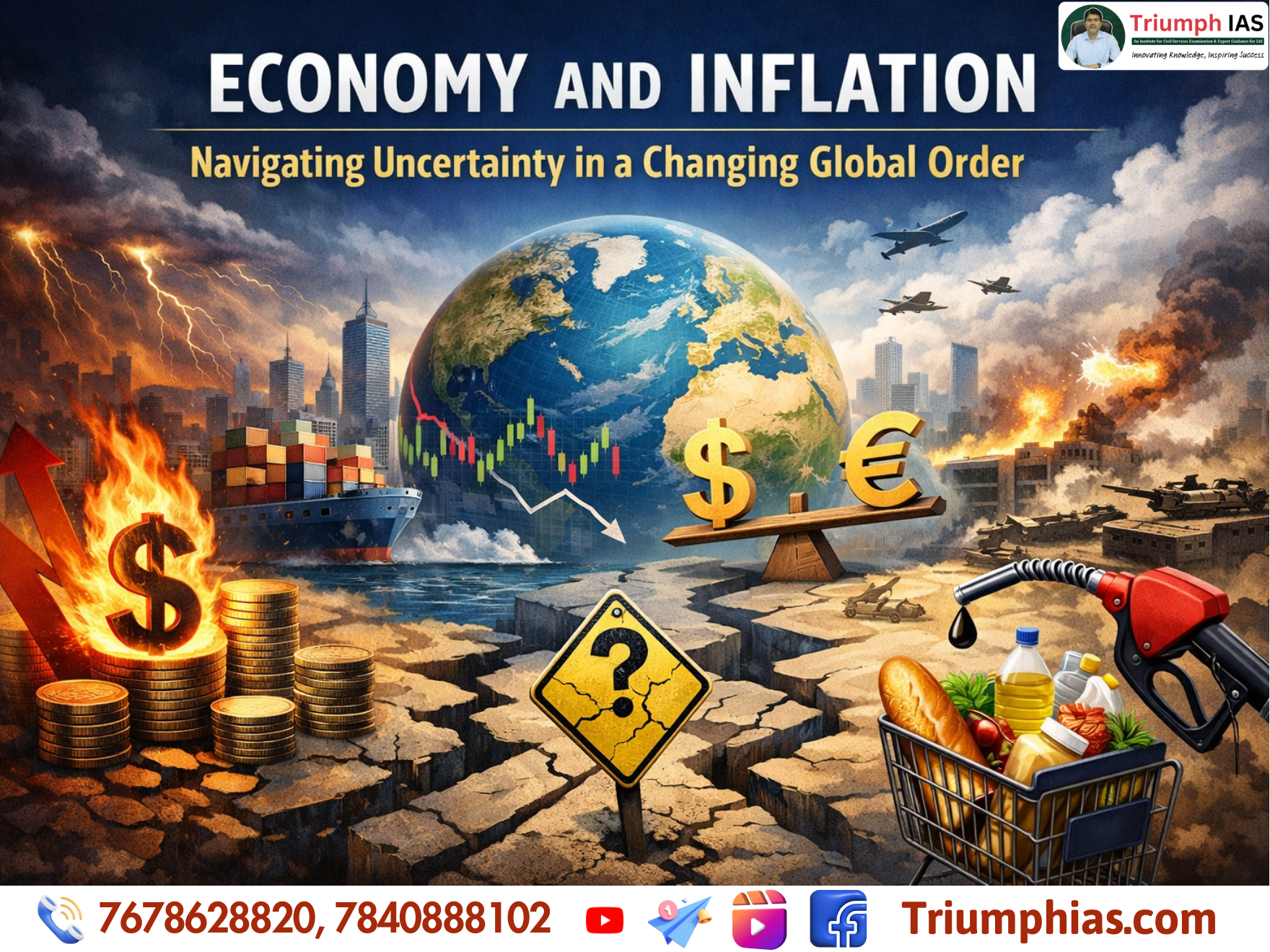
In today’s rapidly changing global environment, economy and inflation have become two of the most widely discussed topics. Every country, whether developed or developing, is facing the impact of rising prices and economic uncertainty. Inflation directly affects the daily lives of people, making basic necessities more expensive and harder to afford. Understanding how inflation works and how it influences the economy is essential for both individuals and policymakers.
Inflation refers to the continuous increase in the prices of goods and services over time. As inflation rises, the purchasing power of money decreases. This means that people need to spend more money to buy the same items they could previously afford at lower prices. For example, if the price of food, fuel, and housing increases, families may struggle to maintain their standard of living. This situation is especially difficult for low- and middle-income groups.
The relationship between the economy and inflation is very close. When an economy is growing, people generally earn more and spend more. This increased demand for goods and services can push prices upward if supply does not keep pace. While a moderate level of inflation is considered normal and even healthy for economic growth, high inflation can create instability and financial stress.
There are several key causes of inflation in today’s world. One major factor is disruption in global supply chains. Events like the COVID-19 pandemic caused delays in production and transportation, reducing the availability of goods and increasing their prices. Another important factor is the rise in energy costs. When fuel prices go up, the cost of production and transportation also increases, which leads to higher prices for almost all products.
Political instability and conflicts also play a significant role in rising inflation. When countries face uncertainty or war, trade routes can be disrupted, and resources become scarce. This directly affects the global economy and leads to price increases. Additionally, decisions made by central banks, such as increasing the money supply or lowering interest rates, can also influence inflation levels.
In developing countries, the impact of inflation is often more severe. Income growth is usually slow, while prices increase rapidly. As a result, people struggle to afford basic necessities like food, electricity, and fuel. This creates financial pressure on households and can lead to a decline in overall living standards.
In this context, financial awareness and access to reliable information are very important. Platforms like ufl.edu.rs provide useful insights and educational resources that help individuals understand economic trends and make better financial decisions. By staying informed, people can plan their budgets more effectively and prepare for economic challenges.
Inflation not only affects individuals but also businesses. When the cost of raw materials increases, companies often raise the prices of their products to maintain profits. However, higher prices can reduce consumer demand, leading to lower sales. This can slow down economic growth and even increase unemployment if businesses are forced to cut costs.
Governments and central banks use various strategies to control inflation. One common method is increasing interest rates, which makes borrowing more expensive and reduces spending. This helps to slow down price increases. Governments may also provide subsidies or control prices of essential goods to make them more affordable for the public.
In the long term, improving production and strengthening key sectors such as agriculture, industry, and technology can help stabilize the economy. Increasing supply can balance demand and reduce inflationary pressure. Good governance, transparency, and effective economic policies also play a crucial role in maintaining stability.
Final Thought:
In a world where economic conditions are constantly changing, staying informed and adaptable is the key to survival and success. Inflation may be unavoidable, but its impact can be reduced through smart financial decisions, awareness, and collective efforts by governments and individuals. A stable economy is not built overnight—it requires consistent planning, responsibility, and a shared commitment to long-term growth and sustainability.