The Harsh Reality of Global Politics and Rising Conflicts
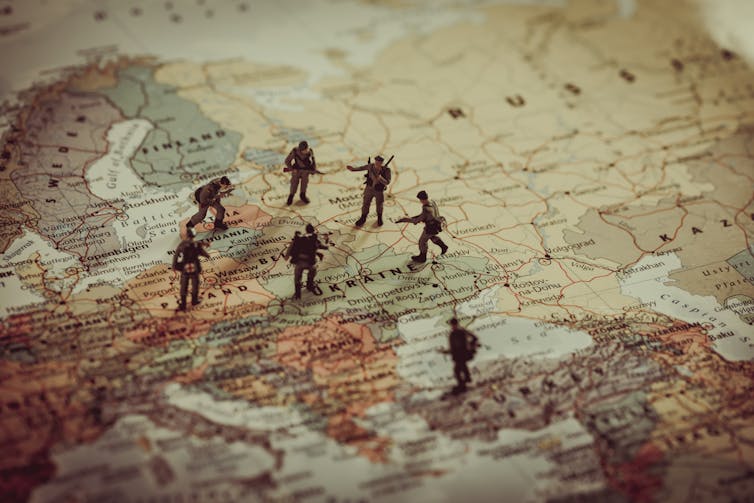
Power doesn’t ask for permission—it takes it. This stark truth defines much of global politics in the modern world. While leaders stand before cameras speaking of peace, cooperation, and mutual respect, the reality behind closed doors is often very different. Nations constantly calculate their next moves, protect their interests, and compete for influence in a system where trust is limited and power is everything.
Global politics today is shaped by a complex web of alliances, rivalries, and historical tensions. Countries do not act randomly; their decisions are driven by national interests—economic growth, security, and global influence. This creates an environment where cooperation exists, but competition never disappears. As a result, conflicts are not isolated events but part of a broader struggle for dominance and survival.
One of the clearest examples of this harsh reality is the rise of regional conflicts. Areas such as the Middle East have long been affected by political instability, wars, and external interventions. Similarly, tensions in Eastern Europe have shown how quickly disputes can escalate into full-scale crises. These conflicts are not just about land or politics—they impact millions of lives, forcing people to leave their homes, destroying economies, and creating long-term humanitarian challenges.
At the center of global politics are powerful nations like the United States, China, and Russia. These countries hold significant influence over global decisions and often shape international policies. However, their relationships are marked by rivalry as much as cooperation. Whether it is competition in technology, military strength, or economic dominance, these powers are constantly trying to stay ahead of one another. This rivalry creates tension not only between them but also across the world, as smaller nations often find themselves caught between competing interests.
Economic factors play a major role in fueling global conflicts. In a world where resources are limited and demand is increasing, countries compete for access to energy, minerals, and trade routes. Rising inflation, economic instability, and unequal distribution of wealth further increase pressure on governments. For example, control over oil and gas resources has historically been a major cause of tension, influencing both political decisions and military actions. When economies struggle, leaders may adopt aggressive strategies to secure resources or maintain control, increasing the chances of conflict.
Another important aspect of modern global politics is the role of technology. Warfare is no longer limited to physical battlefields. Cyberattacks, digital surveillance, and misinformation campaigns have become powerful tools used by nations to weaken their rivals. These methods are often difficult to detect and even harder to control. A cyberattack can disrupt entire systems, from banking to national security, without a single soldier crossing a border. At the same time, misinformation spreads quickly through social media, shaping public opinion and creating divisions within societies.
The role of international organizations, such as the United Nations, is to promote peace and cooperation. While these organizations have achieved successes in diplomacy and humanitarian efforts, they often face limitations. Conflicting interests among powerful member states can make it difficult to take decisive action. As a result, many conflicts continue despite global efforts to resolve them.
It is also important to recognize the human cost of these political struggles. Behind every conflict are real people—families who lose their homes, children who grow up in war zones, and communities that are torn apart. The harsh reality of global politics is not just about power and strategy; it is about the impact on everyday lives. While leaders debate policies and borders, ordinary people bear the consequences.
In conclusion, global politics is far more complex than it appears on the surface. It is a constant balance between cooperation and competition, peace and conflict. The rising number of conflicts around the world reflects deeper issues rooted in power struggles, economic pressures, and technological changes. Understanding this reality is essential for anyone who wants to make sense of today’s world. Only by recognizing these challenges can nations and individuals work toward a future that values stability, dialogue, and lasting peace over conflict and division.