Social Media vs Reality: What You Don’t See
Introduction
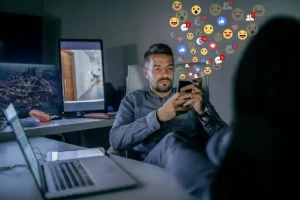
In today’s digital world, social media has become an essential part of our daily lives. Platforms like Instagram, TikTok, and Facebook allow people to share moments, express themselves, and stay connected with others across the globe. At first glance, social media appears to be a vibrant and exciting space filled with happiness, success, and beauty. However, behind the polished photos and carefully crafted posts lies a different story—one that is often hidden from public view.
The Illusion of a Perfect Life
One of the most striking aspects of social media is how it presents a filtered version of reality. People tend to share their best moments: vacations, achievements, celebrations, and aesthetically pleasing images. Rarely do they post about their struggles, failures, or everyday challenges. This creates an illusion that others are constantly living perfect and fulfilling lives. In reality, everyone experiences ups and downs, but social media only highlights the “ups,” leaving viewers with an incomplete and sometimes misleading picture.
Filters, Editing, and Unrealistic Standards
Another important factor is the use of editing tools and filters. With just a few taps, photos can be enhanced, imperfections removed, and appearances altered. This has led to unrealistic beauty standards, especially among young users. Many individuals begin to compare themselves with these edited images, forgetting that they are not seeing a true reflection of reality. This constant comparison can negatively impact self-esteem and mental health, making people feel inadequate or dissatisfied with their own lives.
The Reality Behind Online Success
Social media also influences how success is perceived. Influencers and content creators often showcase luxurious lifestyles—expensive cars, exotic travel destinations, and designer clothing. While some of this may be genuine, a large portion is staged or selectively presented. Sponsorships, brand deals, and behind-the-scenes support often go unnoticed. As a result, viewers may believe that such lifestyles are easily attainable, leading to unrealistic expectations and, sometimes, frustration when reality does not match these perceptions.
Pressure to Maintain a Perfect Image
Moreover, the pressure to maintain a certain image online can be overwhelming. Many users feel the need to present a perfect version of themselves to gain likes, followers, and approval. This can lead to stress, anxiety, and a constant need for validation. Instead of being authentic, people may begin to shape their lives around what will look good on social media rather than what truly makes them happy.
Impact on Relationships
Another hidden reality is the impact of social media on relationships. While it helps people stay connected, it can also create distance. People may spend more time interacting through screens than engaging in meaningful, face-to-face conversations. Misunderstandings can arise from online communication, and the pressure to display “perfect relationships” can strain real-life connections. What appears as a happy couple online may not reflect the complexities of their actual relationship.
Positive Side of Social Media
Despite these challenges, social media is not entirely negative. It has the power to inspire, educate, and bring people together. Many individuals use it to spread awareness, share knowledge, and support important causes. It can provide a platform for voices that might otherwise go unheard. The key is to use social media mindfully and to remember that what we see online is only a small part of the bigger picture.
Conclusion
Understanding the difference between social media and reality is crucial. It is important to remind ourselves that no one’s life is as perfect as it may seem online. Taking breaks from social media, focusing on real-life experiences, and practicing self-acceptance can help maintain a healthy perspective. Instead of comparing ourselves to others, we should appreciate our own journeys and recognize that everyone has their own unique path. Social media should be a tool that enhances our lives, not one that distorts our perception of reality.