The Image of Modern Medicine
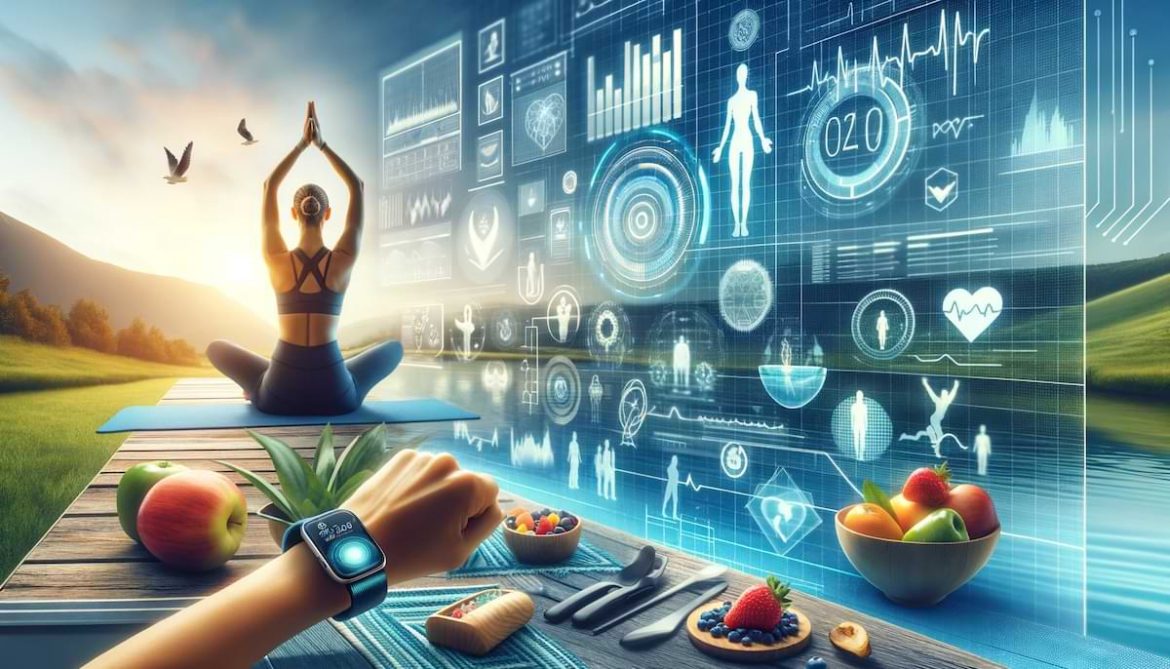
Modern healthcare is often seen as one of humanity’s greatest achievements. Advanced hospitals, skilled doctors, life-saving medicines, and cutting-edge technology have made it possible to treat diseases that were once fatal. From surgeries that take only hours to treatments that extend life expectancy, the medical world appears powerful and reliable. To patients, hospitals represent hope, recovery, and safety. But behind this image of progress lies a more complicated and less visible reality.
The Pressure on Healthcare Systems
Healthcare systems around the world are under constant pressure. Growing populations, increasing chronic diseases, and limited resources create a heavy burden on hospitals and medical staff. In many places, hospitals are overcrowded, and doctors are forced to handle far more patients than they can properly manage. This pressure can lead to shorter consultation times, delayed treatments, and in some cases, reduced quality of care. The system often struggles to balance demand with available resources.
The Cost of Treatment
One of the biggest challenges in modern healthcare is cost. Medical treatment, especially in private hospitals, can be extremely expensive. Surgeries, medications, and long-term care often require significant financial resources. For many families, a serious illness can lead to financial stress or even debt. Even in countries with public healthcare systems, hidden costs such as transportation, medicines, and waiting times can create additional burdens for patients.
Pharmaceutical Influence
The pharmaceutical industry plays a major role in modern healthcare. Medicines save lives and improve health, but the industry is also driven by profit. Research, drug development, and marketing are expensive, and companies aim to recover these costs through sales. In some cases, this can lead to high medication prices or aggressive marketing strategies. There are also ongoing debates about whether some treatments are prioritized for profit rather than necessity.
The Role of Technology in Medicine
Technology has transformed healthcare in many positive ways. Machines can now diagnose diseases earlier, surgeries are more precise, and patient monitoring is more advanced. Artificial intelligence is being used to analyze medical data and assist doctors in decision-making. However, reliance on technology also brings challenges. Not all healthcare systems can afford advanced equipment, creating inequality between developed and developing regions.
Doctor and Patient Relationship
The relationship between doctors and patients has changed over time. In the past, doctors often had more time to communicate with patients and understand their concerns. Today, due to high workloads and administrative tasks, interactions can sometimes feel rushed. While most doctors are dedicated and compassionate, the system they work in does not always allow enough time for personal attention, which can affect patient experience.
Mental Health Challenges
Mental health is becoming an increasingly important part of healthcare, yet it is still not fully prioritized in many societies. Conditions such as anxiety, depression, and stress are common, but they are often misunderstood or ignored. Access to mental health services can be limited, and social stigma prevents many people from seeking help. This creates a hidden crisis within the broader healthcare system.
Inequality in Healthcare Access
Not everyone has equal access to quality healthcare. Economic status, location, and social factors can determine the level of treatment a person receives. People in rural or underdeveloped areas may have limited access to hospitals and specialists. Even within the same country, there can be significant differences in healthcare quality between rich and poor communities.
The Human Side of Medicine
Behind every medical system are healthcare workers who face emotional and physical stress daily. Doctors, nurses, and support staff often work long hours under intense pressure. They deal with life-and-death situations, emotional patients, and high expectations. While they are trained to remain professional, the emotional toll of their work is often overlooked.
The Impact of Pandemics
Global health crises like pandemics have shown both the strengths and weaknesses of healthcare systems. While medical science can respond quickly with vaccines and treatments, such events also expose shortages in equipment, hospital capacity, and preparedness. Pandemics highlight how interconnected and vulnerable global health systems truly are.
Prevention vs. Treatment
Modern healthcare often focuses more on treating diseases rather than preventing them. While treatment is essential, prevention through healthy lifestyle choices, education, and early detection can reduce the burden on healthcare systems. However, preventive care is sometimes underfunded or less emphasized compared to emergency and specialized treatments.
Hard Ending (Strong Impact)
Behind every cure, there is a system struggling to keep up with demand, cost, and complexity. Healthcare is not just about healing—it is also about choices, limitations, and trade-offs that are often invisible to patients. What people see as a simple visit to a hospital is actually part of a much larger and strained system.
The truth is, modern healthcare saves millions of lives, but it is far from perfect. Inequality, cost, pressure, and hidden struggles exist behind every diagnosis and prescription. The cure may be visible—but the reality behind it is far more complex, and often, far more difficult than most people realize.