Year: 2026

  • Severe Heatwave in the UK Raises Climate Change Concerns

    Severe Heatwave in the UK Raises Climate Change Concerns

    The United Kingdom is experiencing an intense heatwave that has affected millions of people across the country. Weather agencies have issued health warnings as temperatures continue to rise to unusually high levels for the region.

    According to recent forecasts, temperatures may reach up to 33°C in some areas. While such temperatures are common in many countries, they are considered extreme for the UK, where the climate is generally cooler and milder.

    Health experts have advised people to avoid unnecessary outdoor activities during peak daytime hours. Elderly citizens, children, and individuals with medical conditions are considered most vulnerable to heat-related illnesses such as dehydration and heatstroke.

    Major cities including London, Manchester, and Birmingham have seen crowded parks, beaches, and shopping centers as residents search for ways to stay cool. Sales of cold drinks, fans, and air-conditioning equipment have also increased significantly.

    Scientists and climate researchers believe that rising global temperatures are contributing to more frequent and intense heatwaves across Europe. Environmental experts warn that climate change is becoming one of the biggest challenges facing the modern world.

    The heatwave has also affected transportation systems. Some railway services have experienced delays due to overheating tracks, while road surfaces in certain areas have been damaged by extreme temperatures.

    The UK government has issued public safety guidelines encouraging people to drink more water, stay indoors during the hottest hours, and check on elderly family members and neighbors. Schools and workplaces are also discussing heat safety measures.

    Agricultural experts are concerned that prolonged heat and dry weather could damage crops and affect food production. Farmers may face financial losses if weather conditions continue to worsen during the summer season.

    Social media platforms are full of discussions about the unusual weather, with many people sharing photos, videos, and personal experiences related to the heatwave. News channels continue to provide live updates and weather forecasts throughout the day.

    Environmental activists say the current situation highlights the urgent need for stronger climate policies and renewable energy solutions. Governments worldwide are being encouraged to reduce greenhouse gas emissions and invest in sustainable technologies.

    The UK heatwave of 2026 has once again reminded the world of the growing impact of climate change. Experts believe that unless serious environmental action is taken, extreme weather events may become more common in the future.

  • Rising US-Iran Tensions Create Pressure on Global Oil Markets

    Tensions between the United States and Iran have once again become a major international concern. Political and military developments in the Middle East are affecting global oil prices and increasing uncertainty in financial markets around the world.

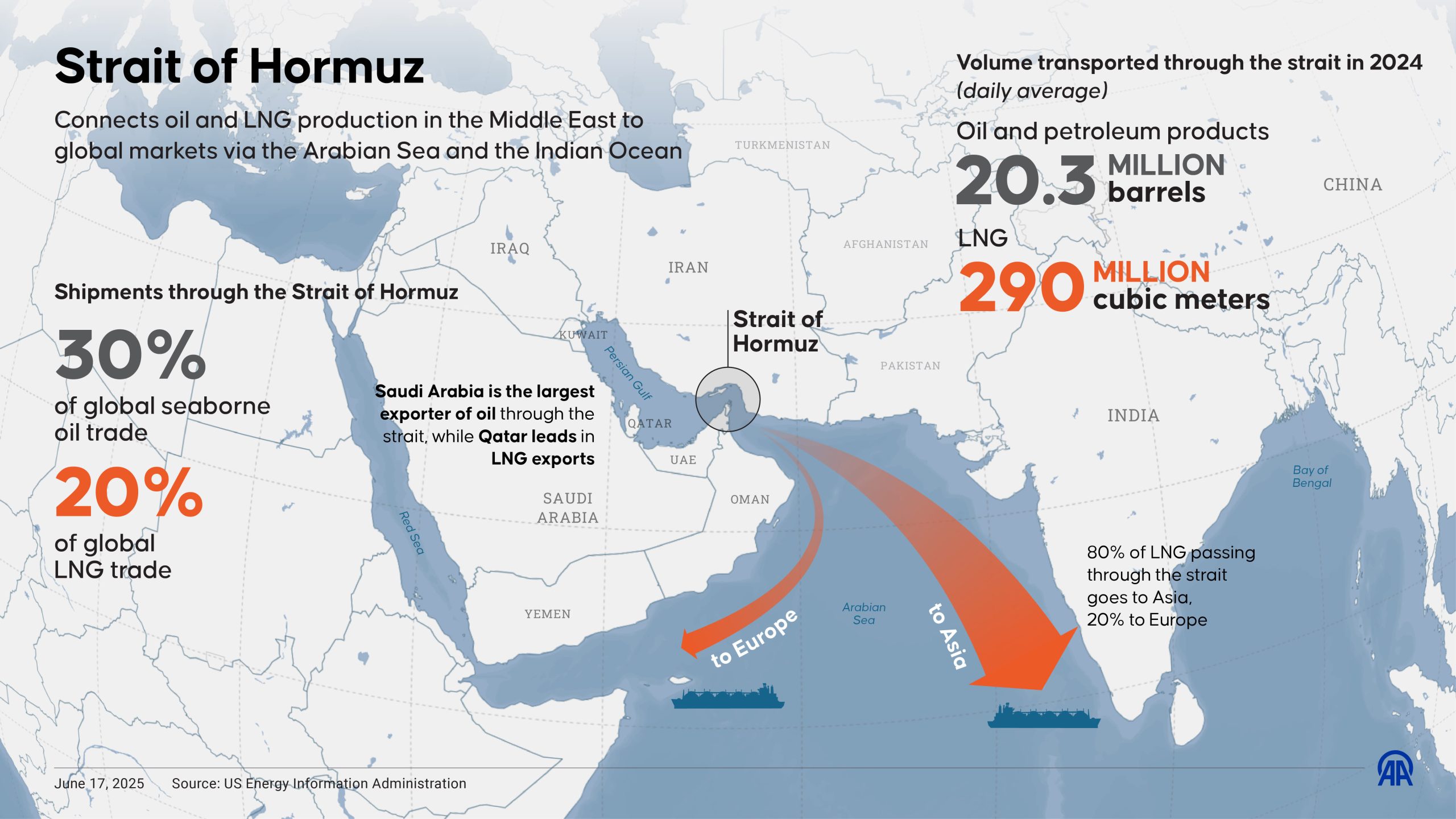
    One of the main concerns is the Strait of Hormuz, a strategic waterway through which a large percentage of the world’s oil supply passes. Any disruption in this region could seriously impact international energy trade and transportation systems.

    In recent weeks, oil prices have started to rise as investors worry about possible instability in the Middle East. Higher oil prices often lead to increased fuel costs, transportation expenses, and inflation, affecting both businesses and ordinary people.

    US officials have expressed concern about Iran’s military activities, while Iranian leaders have defended their national security policies. Diplomatic statements from both sides have intensified discussions among international analysts and political experts.

    Economic experts warn that if tensions continue to rise, stock markets and global trade systems may experience further instability. Several Asian and European markets have already shown signs of pressure due to uncertainty surrounding oil supplies.

    The United Nations and other international organizations have called for peaceful dialogue and diplomatic solutions. Many world leaders believe that negotiations are necessary to prevent the situation from escalating into a larger regional conflict.

    The Middle East remains one of the most important regions for global energy production. Because of this, political instability in the area often affects economies worldwide. Countries such as China, India, and members of the European Union are closely monitoring developments because they rely heavily on oil imports.

    On social media, people are discussing the possible economic and political consequences of the conflict. Some fear that prolonged tensions could harm global economic growth, while others hope diplomatic efforts will reduce the risk of confrontation.

    Experts believe the coming weeks will be extremely important. Successful negotiations could stabilize markets and reduce oil prices, while continued tensions may increase inflation and economic uncertainty worldwide.

    Governments in many countries are reviewing energy policies and emergency plans to prepare for possible disruptions in oil supplies. Businesses are also watching the situation carefully because fuel prices directly affect production and transportation costs.

    The current US-Iran tensions demonstrate how closely international politics and the global economy are connected. The world is now waiting to see whether diplomacy or further conflict will shape the next chapter of this ongoing issue.

  • Excitement Builds Worldwide as FIFA World Cup 2026 Preparations Continue

    The FIFA World Cup 2026 is already becoming one of the most talked-about sporting events in the world. Football fans across the globe are eagerly waiting for the tournament, while preparations in the host countries are moving rapidly toward completion.

    For the first time in history, the World Cup will be jointly hosted by the United States, Canada, and Mexico. FIFA has also expanded the tournament from 32 teams to 48 teams, giving more nations the opportunity to compete on football’s biggest stage.

    Countries such as Brazil, Argentina, France, England, and Portugal are considered strong contenders for the title. Fans are especially excited to see whether legendary players like Lionel Messi and Cristiano Ronaldo will participate in what could be their final World Cup appearances.

    Host cities including New York, Los Angeles, Toronto, and Mexico City are preparing modern stadiums, transportation systems, and security arrangements. Governments and sports organizations are investing billions of dollars to ensure the event becomes one of the most successful tournaments ever organized.

    According to economic experts, the World Cup is expected to generate huge financial benefits for the host countries. Tourism, hospitality, transportation, and local businesses are likely to experience significant growth as millions of football fans travel to attend matches.

    FIFA officials have promised that the 2026 World Cup will feature advanced technology, including smart stadiums, improved broadcasting systems, and enhanced fan experiences. Artificial intelligence and digital innovations may also play an important role in match analysis and event management.

    Young football stars such as Kylian Mbappe, Jude Bellingham, and Erling Haaland are expected to become key attractions during the tournament. Football analysts believe the next generation of players could dominate international football in the coming years.

    The excitement is not limited to Europe or the Americas. Football fans in Asia, Africa, and the Middle East are also actively discussing the tournament. Social media platforms are full of predictions, team rankings, and fan-made content related to the World Cup.

    Sports experts describe the FIFA World Cup as more than just a tournament. It is considered a global celebration that brings together people from different cultures, languages, and backgrounds through their shared love for football.

    As the countdown to 2026 continues, anticipation continues to grow. Millions of fans are waiting to witness unforgettable matches, emotional moments, and the crowning of the next world champion.

  • Israel Ki Coalition Government Crisis: Kya Netanyahu Dobara Power Bachaa Paenge?

    Israel Ki Coalition Government Crisis: Kya Netanyahu Dobara Power Bachaa Paenge?

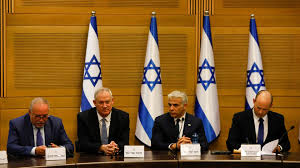
    2026 me Israel ki politics ek naye crisis ka shikar ho chuki hai. Prime Minister Benjamin Netanyahu ki coalition government par serious pressure barh gaya hai aur opposition parties naye elections ki demand kar rahi hain. Political experts ka kehna hai ke ye Israel ki recent history ke sabse important political moments me se ek ban sakta hai.

    Israel ka political system coalition governments par depend karta hai. Koi bhi single party usually itni seats nahi jeet pati ke wo akelay government bana sake. Isi wajah se different political aur religious parties mil kar coalition create karti hain. Lekin jab coalition partners ke interests clash karte hain to government unstable ho jati hai. Abhi bhi kuch aisa hi dekhne ko mil raha hai.

    Recent weeks me budget issues, security policies aur judiciary reforms par coalition partners ke darmiyan disagreements kaafi barh gaye hain. Kuch right-wing aur religious parties ne openly government ki policies ko criticize kiya. Opposition leader ne parliament me speech dete hue kaha ke current government mulk ko instability ki taraf le ja rahi hai.

    International level par bhi Israel ka political crisis important mana ja raha hai. Middle East already tensions ka shikar hai aur Israel ki internal instability region ki security ko affect kar sakti hai. United States aur European countries bhi situation ko closely monitor kar rahi hain.

    Experts ke mutabiq agar coalition officially collapse ho jati hai to Israel me early elections announce ho sakte hain. Public opinion polls dikhate hain ke citizens economic inflation, security concerns aur unemployment ko le kar worried hain. Youth voters especially naye leadership options ki taraf interest dikha rahe hain.

    Netanyahu ne media se baat karte hue kaha ke unki government abhi bhi stable hai aur wo coalition partners ke sath negotiations continue kar rahe hain. Unka kehna tha ke Israel ko is waqt strong leadership ki zarurat hai aur opposition sirf political advantage lena chahti hai.

    Political analysts believe karte hain ke agle kuch weeks Israel ke future ke liye bohat important honge. Agar coalition survive karti hai to Netanyahu apni political strength prove kar denge. Lekin agar government gir jati hai to naye elections Israeli politics ka pura landscape change kar sakte hain.

    Public reactions social media par bhi kaafi strong hain. Kuch log government ko support kar rahe hain jabke dusre log change ki demand kar rahe hain. News channels aur newspapers me bhi isi topic par debates chal rahi hain.

    Aane wale dino me parliament sessions aur coalition meetings decide karenge ke Israel political stability ki taraf jata hai ya naye uncertainty phase me enter karta hai.

  • 2026 FIFA World Cup Buzz: Rising Favorites, New Champions, and Global Football Excitement

    2026 FIFA World Cup Buzz: Rising Favorites, New Champions, and Global Football Excitement

    The 2026 FIFA World Cup is one of the most highly anticipated sporting events in the world, generating massive excitement among football fans across all continents. As the tournament approaches, discussions about potential champions, team performances, and rising football nations have become a major global trend.

    The World Cup will feature an expanded format, allowing more teams to participate than ever before. This change has increased competition and given emerging football nations a chance to shine on the world stage. Fans and analysts are already debating which country could lift the trophy in this historic edition.

    Growing Excitement for 2026 World Cup

    The FIFA World Cup is the most prestigious tournament in football, held every four years. The 2026 edition is especially significant because it will be jointly hosted by the United States, Canada, and Mexico. This is the first time three countries will share hosting responsibilities, making it a truly global event.

    The expanded format also means more matches, more teams, and more opportunities for underdog stories. Football fans are expecting thrilling matches, unexpected upsets, and the emergence of new football stars.

    Strong Contenders for the Title

    Several teams are being considered strong contenders for the 2026 World Cup title. Traditional football giants like Brazil, France, Argentina, Germany, and England are always in the spotlight due to their history and squad strength.

    However, new discussions have also brought attention to teams like Portugal, Norway, and Morocco.

    Portugal has a strong generation of talented players, combining experienced stars with young emerging talents. Their tactical strength and attacking style make them a serious threat in any tournament.

    Norway has gained attention due to its rising football talent and improving international performance. With a strong focus on youth development, Norway is being seen as a potential surprise package in the tournament.

    Morocco, after its impressive performances in recent international competitions, has earned global respect. Their disciplined defense and strong team spirit make them a dangerous opponent for any top team.

    Changing Dynamics of World Football

    Modern football is becoming more competitive and unpredictable. Smaller teams are now capable of defeating traditional football powerhouses, thanks to improved training, technology, and global exposure.

    The expansion of the World Cup has also contributed to this shift. With more teams participating, there is a higher chance of unexpected results and breakthrough performances from nations that were previously considered outsiders.

    Football analysts believe that teamwork, fitness, and tactical intelligence will play a more important role than ever in deciding the winner of the 2026 tournament.

    Role of Star Players

    Star players often play a crucial role in World Cup success. Fans are already looking forward to seeing top international footballers showcase their talent on the biggest stage.

    While football is a team sport, individual brilliance can change the outcome of key matches. Players with exceptional skill, leadership, and experience often become the face of their national teams during the tournament.

    Economic and Cultural Impact

    The FIFA World Cup is not just a sporting event; it is also a global economic and cultural phenomenon. Host countries benefit from tourism, infrastructure development, and international attention.

    Millions of fans are expected to travel to the United States, Canada, and Mexico to watch matches live. This will generate significant revenue for hotels, transport, and local businesses.

    The tournament also promotes cultural exchange, bringing together people from different countries to celebrate a shared passion for football.

    Technology in the 2026 World Cup

    Technology will play a major role in the 2026 tournament. VAR (Video Assistant Referee) systems, advanced analytics, and performance tracking tools will help ensure fair play and improve match quality.

    Stadiums are also expected to feature modern facilities, improved fan experiences, and enhanced broadcasting technologies for global audiences.

    Conclusion

    The 2026 FIFA World Cup is shaping up to be one of the most exciting tournaments in football history. With new teams, expanded format, and rising contenders like Portugal, Norway, and Morocco, fans are expecting unpredictable and thrilling matches.

    As anticipation builds, the world waits to see which nation will rise above all and become the new world champion. The tournament promises not only sporting excellence but also unity, excitement, and global celebration of football.

  • Russia-Ukraine War and Rising NATO Tensions: Europe on Edge Amid Growing Security Crisis

    Russia-Ukraine War and Rising NATO Tensions: Europe on Edge Amid Growing Security Crisis

    The ongoing conflict between Russia and Ukraine has entered a highly sensitive phase, with rising tensions involving NATO countries adding further pressure on Europe’s security environment. What began as a regional war has now evolved into a broader geopolitical crisis affecting global diplomacy, military strategy, and economic stability.

    The Russia-Ukraine war started in 2022, but even in 2026, the situation remains unresolved. Ukraine continues to receive strong political, military, and financial support from Western countries, especially NATO members. This support has become one of the most controversial and defining aspects of the conflict, as Russia views NATO’s involvement as a direct threat to its national security.

    Rising NATO Involvement

    NATO, the North Atlantic Treaty Organization, is a military alliance consisting of European and North American countries. Its main purpose is collective defense, meaning that an attack on one member is considered an attack on all.

    As the war continues, NATO countries have increased their support for Ukraine through weapons supplies, intelligence sharing, training programs, and financial aid. While NATO has not officially entered the war directly, its indirect involvement has significantly escalated tensions with Russia.

    Russia has repeatedly warned NATO against expanding its influence near its borders. The presence of NATO forces in Eastern Europe and the continuous support for Ukraine has created a highly unstable security situation. Military exercises conducted by both sides near border regions have increased fears of miscalculation or accidental escalation.

    Impact on European Security

    Europe is currently experiencing one of its most uncertain security periods in decades. Countries near the conflict zone, such as Poland, the Baltic states, and Romania, are particularly concerned about possible spillover effects.

    As tensions grow, NATO has strengthened its defensive positions in Eastern Europe by deploying additional troops and advanced defense systems. This is aimed at deterring any potential aggression and ensuring the safety of member countries.

    However, this increased military presence has also contributed to a cycle of tension, where both Russia and NATO continue to respond to each other’s actions. Experts warn that this situation increases the risk of accidental conflict, even if neither side intends to start a full-scale war with NATO.

    Humanitarian and Economic Impact

    The war in Ukraine has already caused a massive humanitarian crisis. Millions of people have been displaced from their homes, and many cities and infrastructure systems have been severely damaged.

    European countries have taken in large numbers of refugees, providing shelter, healthcare, and education. While this shows strong international solidarity, it has also placed pressure on social and economic systems in host countries.

    Economically, the conflict has disrupted energy supplies, especially natural gas and oil that Europe previously imported from Russia. This has forced European nations to diversify their energy sources, leading to higher costs and inflation in several countries.

    Global markets have also been affected. Military uncertainty often leads to instability in stock markets, and investors tend to avoid high-risk regions. This has slowed economic growth in parts of Europe and increased defense spending across NATO countries.

    Russia’s Position

    Russia continues to justify its actions in Ukraine by citing security concerns and opposition to NATO expansion. It views Ukraine’s growing ties with Western countries as a direct challenge to its strategic interests.

    Russia has also strengthened its military cooperation with other countries outside NATO, creating new alliances and partnerships. Sanctions imposed by Western countries have impacted its economy, but Russia has adapted by shifting trade routes and strengthening ties with alternative markets.

    Despite heavy international pressure, Russia has shown no signs of fully withdrawing from the conflict, making diplomatic resolution more difficult.

    Diplomatic Efforts and Global Response

    Several international organizations and countries have attempted to mediate peace talks between Russia and Ukraine. However, negotiations have repeatedly stalled due to disagreements over territory, security guarantees, and political control.

    The United Nations and other global institutions continue to call for ceasefires and humanitarian corridors to protect civilians. However, on-ground realities make it difficult to enforce lasting peace agreements.

    The United States, European Union, and other NATO members continue to stress that Ukraine has the right to defend its sovereignty. Meanwhile, neutral countries are urging both sides to return to diplomatic negotiations to prevent further escalation.

    Future Outlook

    The future of the Russia-Ukraine conflict remains uncertain. If tensions continue to rise between Russia and NATO, there is a risk that the conflict could expand beyond Ukraine’s borders, leading to a larger regional crisis.

    At the same time, diplomatic channels remain open, and there is hope that long-term negotiations could eventually lead to stability. However, trust between the parties is extremely low, making any breakthrough difficult.

    Conclusion

    The Russia-Ukraine war and NATO tensions represent one of the most complex geopolitical challenges of modern times. The conflict has not only reshaped European security but also affected global politics, energy markets, and humanitarian systems.

    As Europe remains on edge, the world continues to watch closely, hoping for peace but preparing for uncertainty. The situation highlights how interconnected global security has become, where regional conflicts can quickly escalate into worldwide concerns.

  • Ebola Outbreak in Congo: Rising Cases and Global Health Concerns

    Ebola Outbreak in Congo: Rising Cases and Global Health Concerns

    The Democratic Republic of the Congo (DRC) is once again facing a serious public health crisis as Ebola cases continue to rise in several regions of the country. Health authorities and international organizations have expressed deep concern over the rapid spread of the virus and have warned that the actual number of infections may be higher than the officially reported figures.

    Ebola is a highly dangerous viral disease that spreads through direct contact with infected bodily fluids or contaminated materials. It has a high mortality rate and requires immediate medical attention. The recent outbreak in Congo has raised fears not only within the country but also across the global health community, as past Ebola epidemics have shown how quickly the virus can spread if not controlled effectively.

    Current Situation in Congo

    According to health officials, new Ebola cases have been reported in multiple regions of the Democratic Republic of the Congo. Hospitals in affected areas are under pressure due to the increasing number of patients showing symptoms such as high fever, weakness, vomiting, and internal bleeding.

    Medical teams are working around the clock to isolate infected individuals and trace people who may have come into contact with them. However, limited healthcare infrastructure in some rural areas has made it difficult to control the spread effectively. In some regions, people are still unaware of the severity of the disease or are hesitant to report symptoms due to fear and misinformation.

    Health organizations have warned that the number of actual cases may be higher than reported because some infected individuals remain undiagnosed or unreported. This hidden spread increases the risk of wider transmission within communities.

    What is Ebola?

    Ebola virus disease (EVD) is a severe illness caused by the Ebola virus. It was first identified in 1976 near the Ebola River in what is now the Democratic Republic of the Congo, which is how the disease got its name.

    The virus spreads through direct contact with blood, secretions, organs, or other bodily fluids of infected people or animals. It can also spread through contaminated surfaces such as needles or medical equipment.

    Symptoms usually appear between 2 to 21 days after exposure and include fever, fatigue, muscle pain, headache, sore throat, and later severe symptoms such as vomiting, diarrhea, and internal or external bleeding.

    Without proper treatment, Ebola can be fatal in a large percentage of cases. However, early treatment, supportive care, and vaccination can significantly improve survival rates.

    Response from Health Authorities

    The Congolese government, along with international organizations such as the World Health Organization (WHO), has launched emergency response efforts to contain the outbreak. These efforts include setting up isolation centers, deploying medical teams, and increasing public awareness campaigns.

    Contact tracing is one of the most important strategies being used to control the spread. Health workers are identifying individuals who have been in contact with infected patients and monitoring them for symptoms. Vaccination campaigns are also being carried out in high-risk areas to protect frontline workers and vulnerable populations.

    Despite these efforts, challenges remain. Some regions are difficult to access due to poor infrastructure and ongoing security issues. In addition, misinformation and fear sometimes lead communities to avoid treatment centers, which further complicates containment efforts.

    Why the Situation is Dangerous

    The current Ebola outbreak is particularly concerning because of its potential to spread silently in remote areas. Unlike urban centers where healthcare facilities are more accessible, rural communities often lack proper medical support and awareness.

    If cases go unreported, the virus can spread quickly before authorities are able to respond. This is why health experts are emphasizing the importance of early detection, community cooperation, and transparent reporting.

    Another major concern is the possibility of cross-border spread. The Democratic Republic of the Congo shares borders with several countries, and movement of people across these borders can increase the risk of international transmission if the outbreak is not controlled in time.

    Global Health Impact

    Ebola outbreaks are not just a national issue; they are a global health concern. Previous outbreaks in West Africa have shown how quickly the disease can spread beyond borders, leading to international emergencies.

    Although modern healthcare systems are better prepared today than in the past, the threat of Ebola still requires constant vigilance. International organizations are closely monitoring the situation in Congo and are ready to provide support if needed.

    The outbreak also highlights the importance of global cooperation in fighting infectious diseases. No country can fully protect itself without addressing outbreaks at their source.

    Prevention and Awareness

    Preventing Ebola requires a combination of medical intervention and public awareness. Communities are being advised to avoid contact with infected individuals and to report symptoms immediately to health authorities.

    Proper hygiene practices, safe burial procedures, and the use of protective equipment by healthcare workers are essential in reducing transmission. Education campaigns are also helping people understand how the virus spreads and why early treatment is important.

    Vaccines for Ebola have been developed and are being used in outbreak zones. These vaccines have proven to be effective in reducing infection rates among high-risk populations.

    Conclusion

    The rising Ebola cases in the Democratic Republic of the Congo represent a serious public health challenge. While health authorities and international organizations are actively working to contain the outbreak, the situation remains fragile and requires urgent attention.

    The possibility of underreported cases, combined with limited healthcare access in certain regions, increases the risk of further spread. However, with strong coordination, timely response, and public cooperation, it is possible to control the outbreak and prevent a larger crisis.

    The situation serves as a reminder that infectious diseases remain a global threat and that preparedness, awareness, and international support are essential to protect human lives.

  • Strait of Hormuz Crisis: Iran–US Tensions and Their Impact on Global Oil Supply and Economy

    Strait of Hormuz Crisis: Iran–US Tensions and Their Impact on Global Oil Supply and Economy

    The ongoing tension between Iran and the United States has once again brought global attention to one of the most strategically important waterways in the world — the Strait of Hormuz. This narrow passage, located between the Persian Gulf and the Arabian Sea, plays a crucial role in international trade, especially in the transportation of oil and gas. Nearly one-fifth of the world’s petroleum supply passes through this route, making it a lifeline for the global energy market.

    In recent developments, political and military tensions between Iran and the United States have increased concerns about the safety and stability of this region. The Strait of Hormuz has historically been a sensitive point due to its geopolitical importance, and even minor disruptions here can create serious consequences for global markets.

    Importance of the Strait of Hormuz

    The Strait of Hormuz is one of the most critical chokepoints in the world. Countries like Saudi Arabia, Iraq, Kuwait, the United Arab Emirates, and Iran itself rely heavily on this route to export oil to international markets. Tankers carrying millions of barrels of crude oil pass through this narrow waterway daily.

    Because there are very few alternative routes available for large-scale oil transportation, any disturbance in this region can immediately affect global supply chains. This is why the Strait of Hormuz is often described as the “world’s most important oil passage.”

    Rising Iran–US Tensions

    The relationship between Iran and the United States has been strained for decades, but recent developments have increased uncertainty in the region. Issues such as economic sanctions, military presence in the Gulf, and disagreements over nuclear policies have all contributed to rising tension.

    In the latest situation, increased monitoring of ships, military exercises, and warnings from both sides have created an atmosphere of fear in international waters near the Strait of Hormuz. Commercial shipping companies are now more cautious, and some oil tankers have reportedly altered their routes to avoid possible risks.

    Iran has repeatedly stated that it will defend its territorial waters and respond strongly to any perceived threats. On the other hand, the United States and its allies have increased naval patrols to ensure freedom of navigation and secure oil transportation routes. This standoff has created a fragile balance where even a small incident could escalate into a larger conflict.

    Impact on Global Oil Markets

    One of the most immediate effects of this tension is seen in global oil prices. Oil markets are extremely sensitive to geopolitical events, and the Strait of Hormuz crisis is no exception. Whenever there is news of rising conflict or potential disruption in the region, oil prices tend to increase sharply.

    Investors fear that if shipping is blocked or delayed, global oil supply will decrease, leading to shortages. As a result, crude oil prices often rise even before any actual disruption occurs. This uncertainty creates instability in financial markets and affects economies worldwide.

    Countries that depend heavily on oil imports, such as many in Europe and Asia, are particularly vulnerable. Higher oil prices lead to increased transportation costs, electricity bills, and manufacturing expenses, which eventually contribute to inflation.

    Global Economic Consequences

    The impact of the Iran–US tension is not limited to oil markets alone. It has wider consequences for the global economy. Rising fuel prices increase the cost of goods and services worldwide because transportation becomes more expensive. This affects everything from food prices to industrial production.

    Developing countries are especially at risk because they spend a larger portion of their national income on energy imports. Any sudden spike in oil prices can slow down economic growth and increase financial pressure on governments.

    In addition, uncertainty in the region also affects global investment. Investors prefer stable environments, and geopolitical risks often lead to market volatility. Stock markets can react negatively, and currencies of oil-importing countries may weaken.

    Shipping and Trade Risks

    International shipping companies are also directly affected by the situation. The Strait of Hormuz is a vital passage for commercial vessels, and any threat to security increases insurance costs for ships passing through the area. Some companies may choose longer and more expensive routes to avoid risk zones, which further increases delivery time and costs.

    Insurance premiums for oil tankers often rise during periods of tension, and this additional cost is eventually passed on to consumers in the form of higher prices.

    Diplomatic Efforts and Future Outlook

    Despite rising tensions, international diplomatic efforts are ongoing to prevent further escalation. Several countries and global organizations are encouraging dialogue between Iran and the United States to reduce conflict and ensure safe navigation in the Strait of Hormuz.

    Experts believe that both sides understand the global importance of this waterway and are unlikely to allow a full blockade. However, the situation remains unpredictable, and even small incidents could trigger serious consequences.

    In the long term, countries around the world are also considering reducing their dependence on oil transported through risky routes. Investment in renewable energy sources such as solar and wind power is increasing, as governments aim to create more stable and sustainable energy systems.

    Conclusion

    The Iran–US tension surrounding the Strait of Hormuz is not just a regional conflict but a global economic concern. Because this narrow waterway is responsible for a significant portion of the world’s oil supply, any disruption can have far-reaching effects on energy prices, trade, and economic stability.

    While diplomatic solutions are being explored, the situation highlights how interconnected the modern world is, where a conflict in one region can impact economies across the globe. Stability in the Strait of Hormuz is therefore essential not only for the Middle East but for the entire international community.

  • Mengapa Banyak Orang Menyukai Permainan Berbasis Keberuntungan

    Mengapa Banyak Orang Menyukai Permainan Berbasis Keberuntungan

    Pendahuluan

    Dalam dunia hiburan digital modern, permainan berbasis keberuntungan menjadi salah satu pilihan favorit banyak orang. Permainan seperti ini memberikan rasa penasaran dan keseruan karena hasilnya selalu berubah di setiap putaran. Banyak pemain menikmati sensasi menunggu hasil permainan sambil berharap mendapatkan kombinasi terbaik.

    Popularitas permainan digital terus meningkat sejak internet dan smartphone berkembang sangat cepat. Sekarang orang tidak perlu pergi ke tempat hiburan khusus karena semua permainan dapat diakses secara online. Salah satu permainan yang paling terkenal dalam kategori ini adalah slot yang dikenal karena tampilannya menarik dan mudah dimainkan oleh pemula.

    Rasa Penasaran Membuat Permainan Menarik

    Salah satu alasan utama orang menyukai permainan keberuntungan adalah rasa penasaran. Pemain selalu ingin mengetahui hasil dari setiap putaran. Perasaan menunggu hasil inilah yang membuat permainan terasa seru dan menegangkan.

    Selain itu, permainan digital modern dirancang dengan efek visual dan suara yang membuat pemain semakin tertarik. Ketika simbol bergerak dan musik dimainkan, pemain merasa lebih terhibur selama bermain.

    Rasa penasaran juga membuat pemain ingin mencoba berbagai jenis permainan dengan tema yang berbeda. Ada tema petualangan, dunia kuno, hewan liar, dan banyak lagi.

    Permainan Mudah Dipahami

    Banyak permainan kasino online memiliki aturan yang rumit. Namun permainan mesin putar digital lebih sederhana dibandingkan permainan lain.

    Pemain hanya perlu menentukan taruhan lalu menekan tombol putar. Karena mudah dimainkan, banyak pemula merasa nyaman mencoba permainan ini untuk pertama kali.

    Kemudahan tersebut membuat permainan digital menjadi hiburan yang cocok untuk berbagai usia dewasa.

    Peran Teknologi dalam Hiburan Online

    Teknologi membantu perkembangan industri hiburan digital dengan sangat cepat. Dulu permainan hanya memiliki tampilan sederhana dengan gambar terbatas. Sekarang pengembang menggunakan animasi HD dan efek suara realistis.

    Perubahan ini membuat pengalaman bermain terasa lebih hidup. Banyak pemain merasa seperti masuk ke dalam dunia permainan yang penuh warna dan petualangan.

    Selain itu, teknologi internet memungkinkan pemain menikmati hiburan kapan saja melalui smartphone atau komputer.

    Tema Permainan yang Beragam

    Pengembang game modern selalu menciptakan tema baru agar pemain tidak bosan. Ada permainan bertema kerajaan, bajak laut, luar angkasa, hingga budaya kuno.

    Tema yang berbeda membuat setiap permainan terasa unik. Pemain dapat memilih tema sesuai minat mereka sehingga pengalaman bermain menjadi lebih menyenangkan.

    Desain visual yang menarik juga membantu meningkatkan popularitas permainan online di seluruh dunia.

    Bonus dan Hadiah Tambahan

    Banyak platform memberikan bonus untuk menarik perhatian pemain baru. Bonus tersebut dapat berupa putaran gratis atau hadiah tambahan.

    Selain bonus, beberapa permainan memiliki fitur spesial seperti mini game dan simbol khusus yang membuat permainan terasa lebih seru.

    Fitur tambahan ini membuat pemain lebih tertarik mencoba berbagai jenis permainan digital.

    Pentingnya Bermain Secara Bijak

    Walaupun permainan online memberikan hiburan menarik, pemain tetap harus bermain dengan bijak. Jangan menghabiskan terlalu banyak waktu hanya untuk bermain game digital.

    Pemain juga perlu mengatur pengeluaran agar hiburan tetap terasa aman dan nyaman. Bermain seharusnya dilakukan untuk bersantai, bukan menjadi kebiasaan berlebihan.

    Memilih platform terpercaya juga sangat penting agar data pribadi dan transaksi tetap aman.

    Masa Depan Permainan Digital

    Industri hiburan online kemungkinan akan terus berkembang di masa depan. Teknologi seperti virtual reality mulai digunakan untuk menciptakan pengalaman bermain yang lebih realistis.

    Artificial intelligence juga membantu pengembang memahami kebiasaan pemain sehingga permainan dapat dibuat lebih menarik.

    Dengan perkembangan teknologi yang cepat, permainan online akan terus menjadi bagian penting dari dunia hiburan modern.

    Kesimpulan

    Permainan berbasis keberuntungan menjadi populer karena memberikan rasa penasaran, hiburan menarik, dan pengalaman bermain yang sederhana. Dukungan teknologi internet dan smartphone membuat permainan semakin mudah diakses oleh banyak orang.

    Walaupun menawarkan hiburan yang menyenangkan, pemain tetap harus bermain secara bijak dan menjaga keseimbangan dalam kehidupan sehari-hari. Dengan sikap yang tepat, permainan digital dapat menjadi hiburan modern yang aman dan menarik untuk dinikmati.

  • The New Era of Digital Luck: Navigating the 2026 “Situs Slot Online” Landscape

    The evolution of situs slot online platforms has reached a fever pitch this year. What was once a niche digital pastime is now a multibillion-dollar industry defined by “Thai Server” reliability, blockchain transparency, and cinematic gameplay. To succeed in this environment, players must look beyond the flashing lights and understand the mechanics of the modern hub.

    1. The Rise of the “Personalized” Slot Experience

    In 2026, the best online slot sites are no longer “one-size-fits-all.” Powered by Generative AI, platforms now offer:

    • Dynamic Difficulty: Games that adjust their visual intensity and bonus frequency based on your play style.
    • Smart Recommendations: AI agents that analyze your previous wins to suggest new titles with similar volatility.
    • Tailored Bonuses: Loyalty rewards that trigger based on your specific milestones rather than generic “welcome” packages.

    2. Why “Thai Servers” and “Pro Accounts” are Trending

    If you’ve spent time on social media recently, you’ve likely seen users searching for Server Thailand or Pro Accounts. This trend is driven by a quest for performance:

    • Low Latency: These servers are optimized for high-speed connections across Asia, ensuring that a “jackpot trigger” isn’t lost to a lag spike.
    • The “Gacor” Myth vs. Reality: While “Gacor” (easy to win) is often a marketing term, sites on these servers typically feature newer, high-RTP (Return to Player) titles from providers like PG Soft and Pragmatic Play, which statistically offer more frequent small wins.

    3. Safety First: The 2026 Security Checklist

    With the popularity of “situs slot” comes the risk of “situs phising” (fake sites). Before committing to a platform, verify these three non-negotiables:

    FeatureWhat to Look For
    Provably Fair TechUses blockchain hashes so you can verify each spin’s randomness yourself.
    Instant WithdrawalsTop-tier sites now offer 2-minute payouts via Crypto or E-Wallets like DANA/OVO.
    Active LicensingLook for valid credentials from PAGCOR or the Malta Gaming Authority (MGA).

    4. Interactive & Social Gaming

    The “Situs Slot” of today is a social hub. Many platforms have introduced:

    • Live Slot Streaming: Integrated feeds where you can watch “Slot Mania” influencers play and share their winning patterns.
    • Slot Tournaments: Real-time leaderboards where you compete against other players for massive prize pools, adding a layer of skill and competition to the luck-based game.

    5. Responsible Play in a High-Speed World

    Modern regulations in 2026 have introduced “Frictionless Risk Assessments.” The best sites now include Real-Time Net Spend trackers and mandatory Cool-Off Timers.

    Pro-Tip: Always use a site that allows you to set a Deposit Limit. The goal is entertainment; once the fun stops, it’s time to step away.


    Conclusion

    The world of situs slot online is more vibrant and technologically advanced than ever. By choosing platforms that prioritize server stability (like the renowned Thai servers) and transparent payout rates, players can enjoy a premium gaming experience. As the digital frontier expands, the “smart” player is the one who stays informed, stays secure, and always plays within their limits.