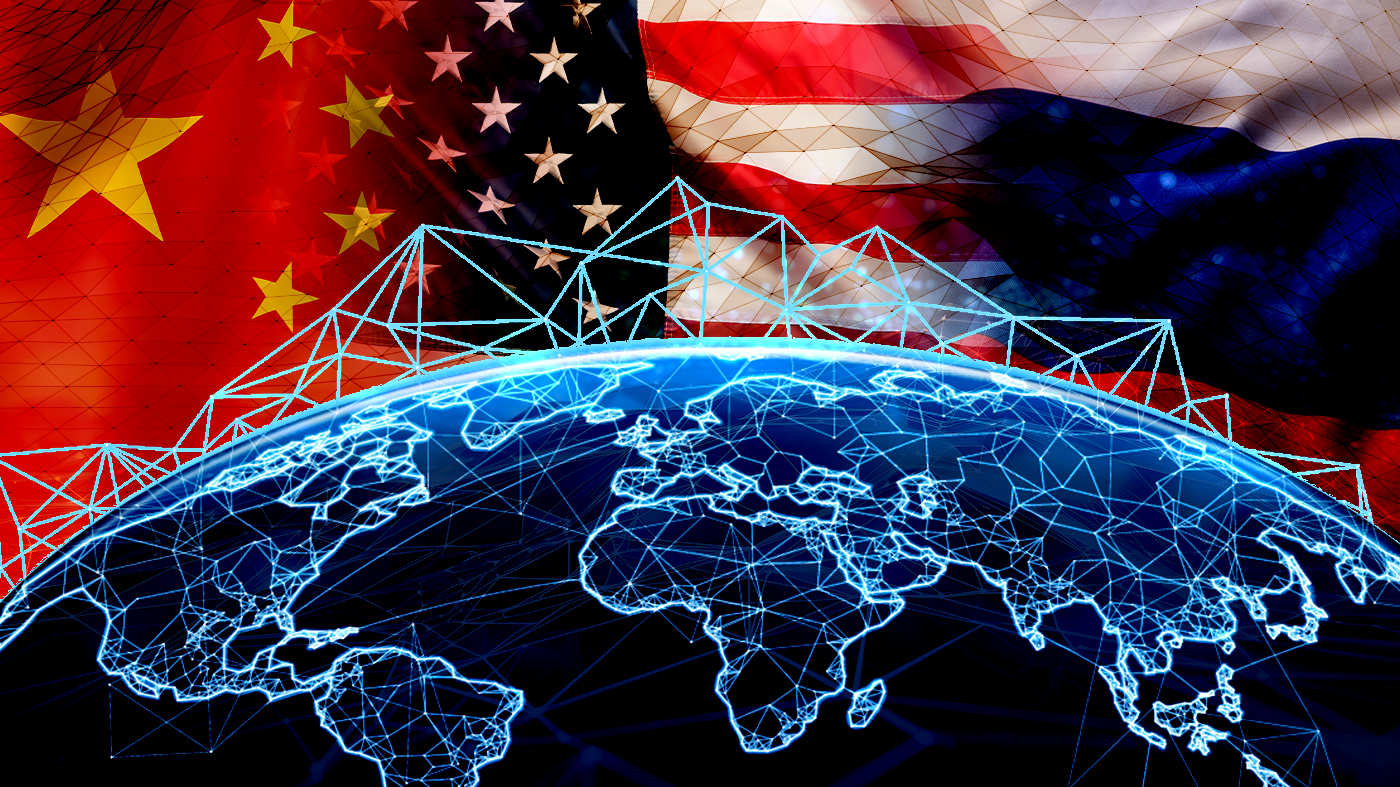
In recent months, global attention has increasingly shifted toward rising geopolitical tensions involving major world powers. Discussions about a possible large-scale conflict—often referred to as “World War 3”—have resurfaced across media platforms, social networks, and political analysis forums. While there is no official indication of an imminent global war, growing military activity, regional conflicts, and diplomatic friction have raised concerns about long-term global stability.
The situation involves several key international players, including United States, China, Russia, and allied nations across Europe and Asia. These countries are not directly in a declared global conflict, but their competing interests are shaping an increasingly tense international environment.
Rising Military Activity Around the World
One of the main reasons behind growing concern is the increase in military exercises and defense cooperation among global powers. Joint military drills, naval patrols, and air force operations are becoming more frequent in strategically important regions.
For example, in the Asia-Pacific region, the United States has strengthened defense cooperation with allies such as Japan and the Philippines. These exercises are often conducted near disputed maritime zones, especially in the South China Sea, where territorial claims remain unresolved.
At the same time, China has expanded its naval presence and conducted its own military drills, which it describes as defensive measures. However, other countries view these actions as signs of growing assertiveness.
Similarly, in Eastern Europe, tensions involving Russia and NATO countries remain high due to ongoing security concerns and regional conflicts. These overlapping flashpoints contribute to a broader sense of global instability.
Regional Conflicts Adding Pressure
Beyond military exercises, active conflicts in different regions are also fueling fears. Ongoing instability in the Middle East, particularly in areas like the Gaza Strip, continues to attract global attention and diplomatic involvement.
Such conflicts often involve multiple international stakeholders, either directly or indirectly, increasing the complexity of resolution efforts. As global powers support different sides or pursue their own strategic interests, the risk of wider confrontation becomes a topic of discussion among analysts.
Although these conflicts remain regional in nature, their global implications—especially in terms of energy supply, migration, and security alliances—make them significant in the broader geopolitical landscape.
The Role of Major Global Alliances
International alliances play a crucial role in shaping current tensions. Organizations such as NATO, as well as bilateral defense agreements, create interconnected security systems where an issue affecting one country can potentially involve others.
For instance, if a conflict were to escalate involving a member country of a major alliance, other allied nations might be drawn into the situation through defense commitments. This interconnectedness is one of the reasons why discussions about global war scenarios occasionally emerge in political discourse.
However, it is important to note that these alliances are primarily designed to prevent conflict through deterrence rather than encourage it.
Economic and Technological Competition
In addition to military concerns, economic and technological rivalry is also contributing to global tension. The competition between the United States and China, particularly in areas such as artificial intelligence, semiconductor manufacturing, and global trade influence, is shaping the future of international relations.
Companies like OpenAI, Google, and Microsoft are at the center of the global AI race, which is seen as a key factor in future economic dominance.
While this competition is largely non-military, it adds another layer of strategic rivalry between major powers, influencing diplomatic relations and global policy decisions.
Are We Really Close to World War 3?
Despite rising tensions, most international relations experts agree that the world is not currently on the brink of a global war. Modern economies are deeply interconnected, and global trade, technology, and finance systems make large-scale conflict extremely costly for all sides involved.
Additionally, diplomatic channels remain active between major powers, even during periods of disagreement. Summits, negotiations, and international organizations continue to play a role in managing disputes and reducing the risk of escalation.
The phrase “World War 3” is often used in media headlines and online discussions to capture attention, but it does not reflect an official or immediate assessment by governments or defense organizations.
Why People Are Worried
Public concern is largely driven by three factors:
- Social Media Amplification – Viral posts and videos often exaggerate military developments or political statements.
- Historical Memory – The legacy of two world wars makes global audiences sensitive to signs of large-scale conflict.
- Rapid News Cycles – Constant updates from conflict zones create a perception of continuous escalation.
These factors combine to create an environment where fears can spread quickly, even without concrete evidence of an impending global war.
Conclusion
While tensions between global powers are undeniably increasing in certain regions, there is currently no confirmed indication of an approaching World War 3. The situation reflects a complex mix of military strategy, economic competition, regional conflicts, and political diplomacy.
The international system today is built on both rivalry and cooperation. Although disagreements between major powers persist, the same countries remain connected through trade, diplomacy, and shared global challenges such as climate change and economic stability.
Leave a Reply