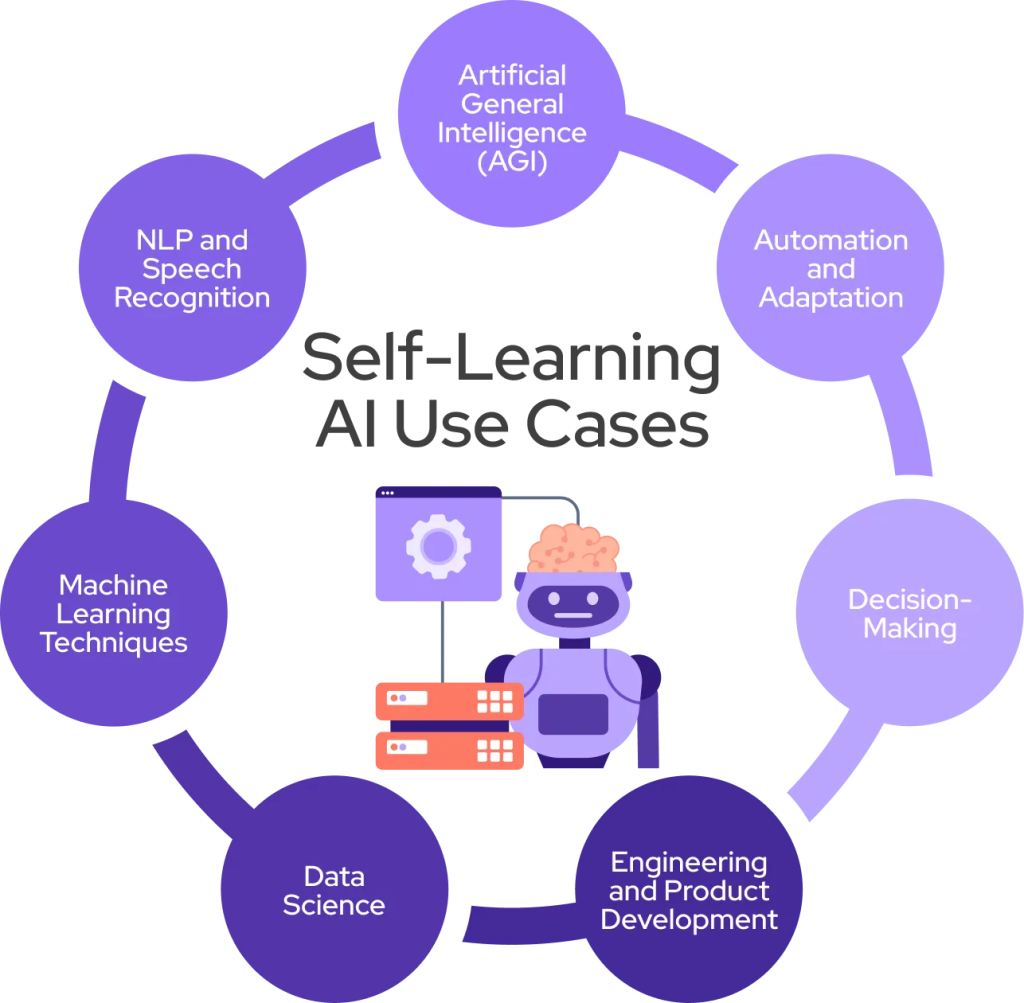
Learning is no longer confined to classrooms or formal education. With the rise of technology, self-learning has become one of the most effective ways to acquire new skills, explore passions, or even advance careers. Among these technological advances, Artificial Intelligence (AI) tools have emerged as powerful allies, transforming the way we learn, practice, and retain knowledge. But how exactly can AI enhance your self-learning journey? Let’s break it down.
AI as a Personal Tutor
One of the most remarkable aspects of AI is its ability to act as a personal tutor. Unlike traditional classrooms, AI-driven platforms can adapt to individual learning styles. For instance, if you are learning a language, AI apps like Duolingo or ChatGPT-based tutors can tailor exercises based on your weaknesses. Struggling with verb conjugations? The AI will notice and provide more targeted practice. Not only that, it can adjust the difficulty dynamically, which is something even human tutors struggle to do consistently.
Personalized learning matters. Because everyone learns differently. Some of us are visual learners, some prefer reading, while others learn by doing. AI tools can identify your preferred learning style over time and create a more effective path for you. It’s like having a tutor who never gets tired, never judges, and is always available. Of course, nothing replaces human interaction entirely, but AI comes very close in terms of accessibility and personalized attention.
Efficient Resource Organization
One major hurdle in self-learning is sifting through endless resources. The internet is vast, and while it contains valuable knowledge, it’s easy to get lost. Here, AI tools shine. Platforms like ChatGPT or Bing AI can summarize articles, create study guides, and even highlight the most relevant sections of a textbook. Instead of spending hours skimming through materials, learners can focus on what actually matters.
Moreover, AI can recommend resources based on your current knowledge and goals. Suppose you want to learn web development. An AI platform can suggest tutorials, exercises, and projects that match your skill level, gradually increasing in complexity. The best part? It learns from your progress. Over time, your AI assistant becomes smarter about what you need next, making the learning curve less steep and more enjoyable.
Interactive Learning Experiences
AI doesn’t just help with reading and comprehension—it can make learning interactive. Platforms using AI can simulate real-life scenarios or provide instant feedback. For instance, if you’re studying coding, AI tools can run your code, detect errors, and explain them in simple terms. If you’re learning a language, AI chatbots can converse with you naturally, helping you practice fluency without fear of embarrassment.
Interactive experiences keep learners engaged. Passive learning—like just watching videos or reading—is often less effective because our brains retain less information that way. AI encourages active learning. You do, it corrects. You try, it adapts. This loop increases retention, making it much more efficient than traditional self-study methods.
Time Management and Learning Plans
Self-learning often fails not because of lack of motivation, but because of poor time management. AI tools can assist here too. Some apps can create customized study schedules, reminding you when to study, take breaks, or review past lessons. They analyze your performance and suggest adjustments to maximize efficiency.
Even simple AI reminders can make a huge difference. Humans are forgetful—no shame in that. Having an AI track your learning progress and nudge you when it’s time to revisit difficult topics can prevent stagnation. It’s like having a coach who keeps you accountable without being overbearing.
Bridging Knowledge Gaps
One of the challenges in self-learning is identifying what you don’t know. Often, we don’t realize gaps in our knowledge until it’s too late. AI tools can help uncover these gaps. Diagnostic quizzes, adaptive learning systems, or AI-generated exercises can highlight weak areas, allowing learners to focus on them before moving forward.
For example, if you’re studying history, an AI system might notice that you consistently mix up events from certain periods. It can then provide additional context, visual timelines, or quizzes targeting that specific confusion. This targeted approach accelerates mastery and prevents frustration.
Encouraging Self-Reflection and Critical Thinking
Another underrated benefit of AI in self-learning is its ability to encourage reflection. Advanced AI tools can ask questions that prompt learners to explain concepts in their own words or apply knowledge to new scenarios. This method promotes critical thinking rather than rote memorization.
Self-reflection is vital. Learning is not just about accumulating facts; it’s about understanding, connecting ideas, and applying them. AI can challenge learners to think differently, offer alternative viewpoints, or simulate debates—engaging the mind in ways traditional methods rarely do.
Limitations and Mindful Usage
Despite all its advantages, AI is not perfect. It can sometimes provide inaccurate information, overgeneralize, or fail to understand complex context. Therefore, while AI is an excellent aid, learners must remain critical and cross-check facts. Human oversight remains crucial.
Moreover, relying solely on AI may limit social learning opportunities. Collaboration, discussions, and networking remain essential parts of learning. AI is best used as a supplement, not a replacement, for human interaction and experiential learning.
Practical Tips for Using AI in Self-Learning
- Choose the Right Tools: Start with platforms that match your learning goals. For languages, Duolingo or AI chatbots; for coding, GitHub Copilot or AI-based coding assistants; for general knowledge, AI-powered summarizers and tutors.
- Set Clear Objectives: Define what you want to achieve and use AI to structure your learning path. Don’t just wander aimlessly through content.
- Mix AI with Traditional Methods: Use textbooks, videos, and hands-on projects alongside AI tools. A blended approach often works best.
- Track Your Progress: Keep a journal or use AI analytics to monitor improvements. Reflection helps consolidate learning.
- Be Critical: Always question AI-generated content. Learn to identify biases, errors, or oversimplifications.
Conclusion
AI tools are transforming the self-learning landscape. They offer personalized tutoring, interactive experiences, efficient resource organization, and adaptive feedback that can make learning faster and more engaging. But the key is balance. By combining AI’s capabilities with critical thinking, human oversight, and traditional learning methods, anyone can supercharge their self-learning journey. The future of education is not about replacing humans with AI—it’s about empowering learners to reach their full potential.
Leave a Reply