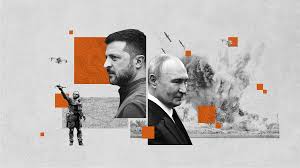
The conflict between Ukraine and Russia continues to be one of the most significant geopolitical issues in the world. Since the outbreak of large-scale hostilities, the war has affected international security, global markets, diplomatic relations, and humanitarian conditions across Europe and beyond.
Recent developments indicate that both sides remain engaged in intense military and strategic competition. Ukraine has continued efforts to target logistical infrastructure and supply networks, while Russia maintains military operations across multiple regions. These actions demonstrate the ongoing nature of the conflict and the challenges associated with achieving a lasting resolution.
The war has had profound humanitarian consequences. Millions of people have been displaced from their homes, creating one of the largest refugee situations in recent European history. International organizations continue to provide assistance to affected populations and support recovery efforts in impacted communities.
Economic consequences have also been substantial. Global markets have experienced disruptions in energy supplies, agricultural exports, and trade routes. Ukraine and Russia play important roles in international commodity markets, making the conflict relevant to economies around the world.
Sanctions have become a major component of the international response. Various countries have implemented economic measures designed to influence Russian policy and limit access to certain technologies and financial resources. The effectiveness and long-term implications of these measures remain subjects of ongoing debate.
Military assistance has also played an important role. Several countries have provided support to Ukraine in various forms, reflecting broader concerns about regional security and international stability. These efforts have influenced strategic calculations on all sides of the conflict.
The war has prompted significant changes within Europe. Many governments have increased defense spending, strengthened military cooperation, and reassessed security strategies. These developments may have lasting implications for regional defense policies and international alliances.
Diplomatic efforts continue despite ongoing hostilities. International leaders frequently engage in discussions aimed at reducing tensions and exploring potential pathways toward peace. However, achieving a negotiated settlement remains a complex challenge given the differing objectives of the parties involved.
Technology has become an increasingly important aspect of modern warfare. Cybersecurity, intelligence gathering, satellite communications, and unmanned systems have all played significant roles in shaping military operations. These developments provide insight into the evolving nature of contemporary conflicts.
Public opinion remains an influential factor. Citizens in many countries continue to follow developments closely, and governments must balance domestic priorities with international commitments. Media coverage and information campaigns also shape public understanding of the conflict.
Looking ahead, analysts expect the situation to remain dynamic. Future developments will depend on military conditions, diplomatic initiatives, economic factors, and broader geopolitical considerations. While uncertainty persists, international stakeholders continue to seek opportunities for dialogue and conflict reduction.
In conclusion, the Ukraine-Russia war remains a defining issue in global affairs. Its impact extends far beyond the battlefield, influencing economics, diplomacy, security, and humanitarian conditions worldwide. As the conflict evolves, the international community will continue searching for solutions that promote stability, security, and long-term peace.
Leave a Reply