Blog

  • Why are Businesses Investing in Enterprise Chatbot?

    Why are Businesses Investing in Enterprise Chatbot?

    The customer who gets help in thirty seconds is far more likely to buy, stay, and recommend than the one who waits on hold. People now expect quick, useful answers on the channels they already use, from a mobile app to WhatsApp. That expectation has pushed companies to rethink how they handle service, sales queries, and routine operations. 

    Enterprise chatbots have moved from experiment to everyday infrastructure. They do not replace people. They take the first pass, solve what they can, and bring a human in with full context when needed. Let’s see why businesses are investing in enterprise chatbots and how you can avoid blind spots before investing in it.

    From Simple Scripts to Connected Systems

    A few years ago, most chat interfaces worked like a rigid menu. Ask a slightly different question and the experience is broken. That is not the state of the art anymore. Modern enterprise systems understand intent, carry context through a session, and escalate gracefully. They connect to your CRM, order management, authentication, and knowledge base. 

    That connection is the difference between “let me transfer you” and “I have updated your address, here is the confirmation number”. This shift explains the move to a specialist partner, often a chatbots development company. 

    Off-the-shelf chat software can be a helpful start, yet it rarely fits complex backends or compliance needs. A seasoned partner builds around your data, your processes, and your risk posture, then leaves you with an admin surface your team can run.

    Why Budgets are Shifting to Chat

    • Faster support. Simple requests should not sit in a queue. A well-trained system answers password resets, delivery status, refund windows, and appointment changes in seconds. Escalations arrive with the transcript and user history, so agents skip the fact-finding and solve the edge case.
    • Higher quality leads. Instead of a static form, a conversation qualifies intent and moves interested visitors to a demo or checkout. Data lands in the CRM with tags that make sense to sales, not a vague “contacted” label.
    • Operational headroom. Even a small team can handle seasonal spikes once routine questions are handled automatically. That spare capacity shows up as faster human responses where judgement matters.
    • Always on. Global customers live in many time zones. A twenty-four hour front door is the difference between a sale and a bounce for late-night shoppers and busy professionals.
    • Better insight. Every exchange is structured. You learn which questions come up most, which replies work, and where people fall out of a flow. That feedback loops into product changes and clearer self-service content.

    What a Capable Partner Actually Does

    Implementing an enterprise chatbot is wider than writing dialogue. The heavy lifting looks like this: map the high-intent journeys, define fallbacks, script safe escalation, connect securely to internal systems, and confirm compliance with rules such as GDPR or HIPAA. Then test across languages, devices, and channels. 

    A reliable partner brings patterns for all of this and will show you live examples rather than slides. That means clean analytics, versioning for content, approval gates for risky changes, and a runbook your team can follow at three in the morning.

    Why Mobile Integration Changes the Outcome

    Much of engagement today happens via phones. If chat exists merely on the website you are missing a chance for conversations in the app when the user is already logged in. The in-app experience can also be richer and secure.

    You can use the authenticated session, respect user permissions, and continue a conversation without forcing a channel switch. This is where React Native app development services earn their keep. Many teams already use React Native for one codebase across iOS and Android. Adding chat features in that environment can be quick, consistent, and easier to maintain. 

    Practical examples include in-app support that keeps context, push prompts when a user abandons a chat mid-way, and secure flows that let people change details or approve actions without leaving the app. When the same partner understands conversational design and React Native, the seams are smaller and releases move faster.

    Questions that Sort the Strong from the Weak

    Before you shortlist, write down the three outcomes that matter most. Then press vendors on specifics.

    • Which live deployments match your use cases, channels, and languages, and what results did they deliver?
    • How are model updates that degrade quality dealt with, and what is their rollback plan?
    • Can they connect to your CRM, service platform, identity, and data warehouse without brittle workarounds?

    If answers stay vague, keep looking.

    Closing Thought

    Enterprise chat does not replace human care. It removes friction so people can focus on complex cases and higher-value conversations. Treated as a core system and integrated with your apps and data, it shortens waits, trims busywork, and gives customers a smoother path to the result they want.

    If you line up a partner with real examples, clear processes, and the right app skills, you will feel the difference in a few weeks. With a capable partner and sound app integration through React Native development services, you get a responsive front door for customers and a calmer, more effective operation for your team.

  • Master the Art of Writing with Plagiarism Checker, Grammar Checker, and Free AI Content Detector

    In today’s content-driven world, writing is more than just putting words on paper — it’s about being authentic, accurate, and engaging. Whether you’re a student, blogger, or content marketer, your writing must meet the highest standards of originality and correctness. That’s why tools like a Plagiarism Checker, Grammar Checker, and Free AI Content Detector have become essential companions for every modern writer. These tools not only refine your content but also ensure that it’s unique, error-free, and genuinely human-written.

    1. Plagiarism Checker – Safeguard Your Originality

    Originality is the foundation of good writing. Even if you don’t intend to copy someone’s work, similarities can occur by chance — and plagiarism, whether intentional or not, can have serious consequences. A plagiarism checker helps you identify any part of your text that matches other online sources, academic papers, or published articles.

    Using advanced AI and database scanning, plagiarism checkers generate detailed reports showing which parts of your writing need rephrasing or citation. This ensures that your content stands out as 100% authentic.

    Key benefits of using a plagiarism checker:

    • Detects copied or duplicate content instantly.
    • Protects you from academic or legal issues.
    • Improves your website’s SEO ranking.
    • Builds trust with readers, teachers, or clients.

    Many tools, such as Grammarly Plagiarism Checker, Quetext, and Copyscape, offer both free and premium options. Even a free plagiarism checker can help you confirm that your writing is uniquely yours.

    2. Grammar Checker – Make Every Sentence Shine

    Grammar is the backbone of communication. A powerful grammar checker ensures your writing is clear, professional, and error-free. These tools automatically detect spelling mistakes, punctuation errors, word misuse, and awkward sentence structures.

    Beyond basic corrections, modern grammar checkers use natural language processing (NLP) to understand context. This means they can recognize tone, formality, and readability, offering you suggestions to make your writing sound more natural and polished.

    Benefits of using a grammar checker:

    • Eliminates grammar and spelling mistakes.
    • Enhances sentence clarity and flow.
    • Suggests vocabulary improvements and tone adjustments.
    • Helps non-native speakers write fluently and confidently.

    Popular tools like Grammarly, ProWritingAid, and Ginger are excellent options, while free grammar checker extensions for browsers and word processors provide real-time feedback as you type.

    3. Free AI Content Detector – Identify Human vs. AI Writing

    With the rise of AI writing tools, it’s becoming increasingly difficult to tell if content was created by a human or a machine. This is why the Free AI Content Detector has become an essential verification tool for teachers, editors, and content creators.

    AI detectors analyze text patterns, predictability, and sentence variation to determine if a piece of writing is generated by AI. They give a confidence score showing the likelihood that your content is human-written.

    Why you should use an AI content detector:

    • Confirms your work’s authenticity.
    • Prevents unintentional AI dependency in writing.
    • Ensures transparency in educational and professional submissions.
    • Many reliable detectors are available for free online.

    Some popular options include GPTZero, Copyleaks AI Detector, and Writer.com’s AI Detection Tool, all known for their high accuracy and user-friendly design.

    4. Combining All Three Tools for Flawless Writing

    When you combine these three tools — plagiarism checker, grammar checker, and AI content detector — you get a complete writing support system.

    Here’s how to use them effectively:

    1. Start with originality: Run your text through a plagiarism checker to ensure your ideas are unique.
    2. Polish your grammar: Use a grammar checker to remove errors and improve style.
    3. Verify authenticity: Finish with a free AI content detector to confirm that your writing is recognized as human.

    This workflow guarantees content that is clean, original, and trustworthy, meeting the highest writing standards whether you’re publishing online or submitting academic work.

    5. Why These Tools Matter for SEO and Professional Growth

    In the digital space, search engines like Google reward originality, readability, and relevance. Duplicate or poorly written content can lower your ranking and harm your site’s reputation. By using these three tools, you’re not only improving your writing but also strengthening your SEO performance.

    • Plagiarism checkers ensure your content is unique.
    • Grammar checkers enhance readability, which keeps readers engaged.
    • AI detectors confirm authenticity, which builds audience trust.

    In short, these tools don’t just correct your writing — they elevate your entire content strategy.

    Conclusion

    Writing is both an art and a discipline. To make your words impactful, you need more than creativity — you need tools that maintain accuracy, originality, and credibility. A Plagiarism Checker, Grammar Checker, and Free AI Content Detector together form the ultimate writing toolkit.

    They protect your integrity, refine your language, and ensure that your content stands out in an era filled with AI-generated material. Whether you’re a student, content creator, or marketing professional, using these tools will make your writing not just better — but truly exceptional.

  • Hello world!

    Welcome to WordPress. This is your first post. Edit or delete it, then start writing!

  • Using AI Tools to Enhance Your Self-Learning Process

    Learning is no longer confined to classrooms or formal education. With the rise of technology, self-learning has become one of the most effective ways to acquire new skills, explore passions, or even advance careers. Among these technological advances, Artificial Intelligence (AI) tools have emerged as powerful allies, transforming the way we learn, practice, and retain knowledge. But how exactly can AI enhance your self-learning journey? Let’s break it down.

    AI as a Personal Tutor

    One of the most remarkable aspects of AI is its ability to act as a personal tutor. Unlike traditional classrooms, AI-driven platforms can adapt to individual learning styles. For instance, if you are learning a language, AI apps like Duolingo or ChatGPT-based tutors can tailor exercises based on your weaknesses. Struggling with verb conjugations? The AI will notice and provide more targeted practice. Not only that, it can adjust the difficulty dynamically, which is something even human tutors struggle to do consistently.

    Personalized learning matters. Because everyone learns differently. Some of us are visual learners, some prefer reading, while others learn by doing. AI tools can identify your preferred learning style over time and create a more effective path for you. It’s like having a tutor who never gets tired, never judges, and is always available. Of course, nothing replaces human interaction entirely, but AI comes very close in terms of accessibility and personalized attention.

    Efficient Resource Organization

    One major hurdle in self-learning is sifting through endless resources. The internet is vast, and while it contains valuable knowledge, it’s easy to get lost. Here, AI tools shine. Platforms like ChatGPT or Bing AI can summarize articles, create study guides, and even highlight the most relevant sections of a textbook. Instead of spending hours skimming through materials, learners can focus on what actually matters.

    Moreover, AI can recommend resources based on your current knowledge and goals. Suppose you want to learn web development. An AI platform can suggest tutorials, exercises, and projects that match your skill level, gradually increasing in complexity. The best part? It learns from your progress. Over time, your AI assistant becomes smarter about what you need next, making the learning curve less steep and more enjoyable.

    Interactive Learning Experiences

    AI doesn’t just help with reading and comprehension—it can make learning interactive. Platforms using AI can simulate real-life scenarios or provide instant feedback. For instance, if you’re studying coding, AI tools can run your code, detect errors, and explain them in simple terms. If you’re learning a language, AI chatbots can converse with you naturally, helping you practice fluency without fear of embarrassment.

    Interactive experiences keep learners engaged. Passive learning—like just watching videos or reading—is often less effective because our brains retain less information that way. AI encourages active learning. You do, it corrects. You try, it adapts. This loop increases retention, making it much more efficient than traditional self-study methods.

    Time Management and Learning Plans

    Self-learning often fails not because of lack of motivation, but because of poor time management. AI tools can assist here too. Some apps can create customized study schedules, reminding you when to study, take breaks, or review past lessons. They analyze your performance and suggest adjustments to maximize efficiency.

    Even simple AI reminders can make a huge difference. Humans are forgetful—no shame in that. Having an AI track your learning progress and nudge you when it’s time to revisit difficult topics can prevent stagnation. It’s like having a coach who keeps you accountable without being overbearing.

    Bridging Knowledge Gaps

    One of the challenges in self-learning is identifying what you don’t know. Often, we don’t realize gaps in our knowledge until it’s too late. AI tools can help uncover these gaps. Diagnostic quizzes, adaptive learning systems, or AI-generated exercises can highlight weak areas, allowing learners to focus on them before moving forward.

    For example, if you’re studying history, an AI system might notice that you consistently mix up events from certain periods. It can then provide additional context, visual timelines, or quizzes targeting that specific confusion. This targeted approach accelerates mastery and prevents frustration.

    Encouraging Self-Reflection and Critical Thinking

    Another underrated benefit of AI in self-learning is its ability to encourage reflection. Advanced AI tools can ask questions that prompt learners to explain concepts in their own words or apply knowledge to new scenarios. This method promotes critical thinking rather than rote memorization.

    Self-reflection is vital. Learning is not just about accumulating facts; it’s about understanding, connecting ideas, and applying them. AI can challenge learners to think differently, offer alternative viewpoints, or simulate debates—engaging the mind in ways traditional methods rarely do.

    Limitations and Mindful Usage

    Despite all its advantages, AI is not perfect. It can sometimes provide inaccurate information, overgeneralize, or fail to understand complex context. Therefore, while AI is an excellent aid, learners must remain critical and cross-check facts. Human oversight remains crucial.

    Moreover, relying solely on AI may limit social learning opportunities. Collaboration, discussions, and networking remain essential parts of learning. AI is best used as a supplement, not a replacement, for human interaction and experiential learning.

    Practical Tips for Using AI in Self-Learning

    1. Choose the Right Tools: Start with platforms that match your learning goals. For languages, Duolingo or AI chatbots; for coding, GitHub Copilot or AI-based coding assistants; for general knowledge, AI-powered summarizers and tutors.
    2. Set Clear Objectives: Define what you want to achieve and use AI to structure your learning path. Don’t just wander aimlessly through content.
    3. Mix AI with Traditional Methods: Use textbooks, videos, and hands-on projects alongside AI tools. A blended approach often works best.
    4. Track Your Progress: Keep a journal or use AI analytics to monitor improvements. Reflection helps consolidate learning.
    5. Be Critical: Always question AI-generated content. Learn to identify biases, errors, or oversimplifications.

    Conclusion

    AI tools are transforming the self-learning landscape. They offer personalized tutoring, interactive experiences, efficient resource organization, and adaptive feedback that can make learning faster and more engaging. But the key is balance. By combining AI’s capabilities with critical thinking, human oversight, and traditional learning methods, anyone can supercharge their self-learning journey. The future of education is not about replacing humans with AI—it’s about empowering learners to reach their full potential.

  • The Psychology of Self-Belief and Its Impact on Learning

    There’s something quietly powerful about the way we think about ourselves. It shapes the way we act, the choices we make, and even how we learn new things. Self-belief—our internal sense that “I can do this”—isn’t just a nice motivational quote on a wall. It’s a core psychological factor that influences every stage of learning, from curiosity to mastery.

    Yet, it’s strange how little we’re taught about it. Schools and workplaces spend years telling us what to learn, but rarely how to believe that we can. And that belief—fragile, invisible, but real—is often what separates people who persist from those who quietly give up.

    What Self-Belief Really Means

    At its heart, self-belief is the confidence in your own ability to succeed in a specific task or situation. Psychologists often describe it using the term self-efficacy, introduced by Albert Bandura, one of the pioneers of modern psychology. Self-efficacy isn’t just a vague optimism—it’s a measurable belief that you can perform the actions required to achieve a goal.

    People with high self-belief tend to approach challenges with energy. They see difficulty as part of the process. Meanwhile, those with low self-belief often view the same challenges as proof that they’re not capable. They withdraw, procrastinate, or settle for less. What’s interesting is that the difference between these two people is rarely about talent. It’s mostly about perception—what they believe about themselves.

    The Early Roots of Self-Belief

    Self-belief starts taking shape early in life. Think of a child trying to tie their shoes for the first time. If the adult nearby encourages them, celebrates small wins, and frames mistakes as learning, the child learns to associate effort with progress. But if that child is scolded or mocked for “doing it wrong,” their brain starts building another kind of narrative: “I’m not good at this.”

    Over time, that inner story gets stronger. By adulthood, many of us carry hidden scripts that whisper, “You’re not smart enough for that,” or “You always mess things up.” These beliefs aren’t facts—they’re just deeply practiced thoughts. And they quietly sabotage learning before it even starts.

    The good news? Beliefs are flexible. The human brain is wired for adaptation. Through reflection, encouragement, and consistent effort, people can rewrite those internal scripts.

    The Brain Behind Belief

    Neuroscience gives us an even deeper look at why self-belief matters so much. When you believe you can learn something, your brain releases dopamine, a neurotransmitter linked to motivation and reward. This chemical signal tells your brain, “Keep going—this matters.”

    On the flip side, when you believe you can’t do something, your brain triggers stress responses—cortisol floods your system, attention drops, and creativity shuts down. Essentially, your body and mind prepare for defeat before you’ve even started.

    This means self-belief doesn’t just shape attitude—it physically shapes how your brain processes learning. Optimism opens neural pathways; self-doubt narrows them.

    How Self-Belief Fuels Learning

    When we believe we’re capable of improving, we engage differently with learning itself. We ask more questions. We try harder strategies. We don’t take failure personally; we take it as feedback.

    This mindset—often called the growth mindset—isn’t just trendy talk. Carol Dweck’s decades of research at Stanford University show that students who believe intelligence is not fixed but developable actually perform better. Why? Because they stay engaged longer. Their self-belief sustains motivation through setbacks, and that persistence eventually pays off.

    In real-world terms, someone with high self-belief studies longer not because they have to, but because they believe it’ll matter. Their brain literally expects the effort to produce results. That expectation, scientifically, increases the odds that it will.

    The Shadow Side: Overconfidence and False Belief

    Now, it’s important to note that not all self-belief is beneficial. When confidence turns into arrogance—believing you already know everything or that you can’t fail—it shuts down learning just as much as self-doubt does.

    This is what psychologists call the Dunning-Kruger effect: people with low ability sometimes overestimate their competence because they don’t yet know what they don’t know. Balanced self-belief means acknowledging gaps without letting them define you. It’s confidence with humility.

    True self-belief says, “I don’t know this yet, but I can learn.”

    How to Build Self-Belief in Learning

    Building self-belief is like training a muscle. It grows with consistent practice and positive reinforcement. Here are some science-backed ways to strengthen it:

    1. Reflect on past wins.
    Your brain needs evidence that you’re capable. Make a list of moments you overcame something difficult. Even small victories matter—they build a pattern your brain can trust.

    2. Redefine failure.
    Instead of viewing mistakes as proof of inadequacy, see them as data. Every error is feedback from the world saying, “Try again, but adjust.” The people who learn fastest are often the ones who fail most, simply because they keep showing up.

    3. Surround yourself with growth-oriented people.
    Self-belief thrives in supportive environments. When you spend time around people who challenge and encourage you, your brain starts mirroring that belief. It’s social reinforcement for confidence.

    4. Visualize success—but also effort.
    Research shows that imagining yourself studying, practicing, and persisting is more powerful than only visualizing the end result. The brain rehearses effort, making it easier when the real moment comes.

    5. Talk to yourself like a coach, not a critic.
    Inner dialogue matters. When you hear that internal voice say, “You’re not good at this,” reframe it to, “You’re learning how to get good at this.” It sounds small, but over time, it rewires how your mind interprets challenge.

    Educators’ Role in Shaping Self-Belief

    Teachers, mentors, and parents play an enormous role in shaping how others believe in themselves. A supportive teacher who says, “You’re improving,” instead of, “You’re wrong again,” changes the entire emotional context of learning.

    Encouragement is not about empty praise—it’s about reminding learners that growth is possible. When a student or employee believes effort leads to improvement, they begin to internalize that belief. And once it’s internalized, they don’t need constant reassurance; they carry that belief into future challenges.

    The Lifelong Power of Self-Belief

    Self-belief doesn’t just make learning easier—it changes how we approach life. People with strong belief in themselves tend to explore new hobbies, learn languages, pursue new careers, and bounce back after failure. They see life as a series of experiments rather than tests they must pass perfectly.

    This attitude fuels resilience. When setbacks come—and they always do—self-belief becomes the quiet inner voice that says, “You can start again.” It doesn’t mean confidence without fear; it means courage in spite of it.

    And perhaps that’s the most human truth of all: learning is messy. We stumble, doubt, forget, and try again. The ones who keep going aren’t the ones who never fail—they’re the ones who believe it’s still worth trying.

    In the End

    The psychology of self-belief teaches us something both simple and profound: how you see yourself directly shapes what you can become. When you nurture belief—not blind optimism, but grounded confidence—you unlock a version of yourself that’s willing to learn, grow, and adapt.

  • Daily Affirmations for Confidence and Self-Gr

    owth

    Confidence doesn’t always come naturally. For many of us, it’s something we have to build, one small thought at a time. And honestly, that’s okay. Somewhere along the way, we start believing that confidence means being loud or fearless all the time—but real confidence is quieter. It’s that calm assurance that you can handle whatever comes next. That belief doesn’t happen overnight, but daily affirmations can be a powerful tool to help it grow.

    Affirmations are simple sentences you repeat to yourself—words that shape how you think and feel about who you are. They may sound silly at first, but they actually train your brain to shift focus away from self-doubt and toward empowerment. Over time, what you say becomes what you believe, and what you believe starts shaping your behavior.

    Why Affirmations Work (and Why They Don’t for Some People)

    You’ve probably seen phrases like “I am enough” or “I am strong” floating all over social media. But repeating a sentence isn’t magic. The reason affirmations work has a lot to do with how the brain functions. When you say positive statements consistently, you’re engaging the part of your brain that forms beliefs—what psychologists call the reticular activating system (RAS). This system filters what information you pay attention to. So, if you start saying, “I am capable,” your brain starts noticing moments that prove it true.

    But here’s the thing: affirmations don’t work if you don’t feel them. Saying “I love myself” while secretly thinking “I don’t” can create internal resistance. The key is to choose affirmations that feel believable yet still a little aspirational—something between who you are now and who you’re becoming. Think, “I’m learning to believe in myself more each day,” instead of “I’m completely confident in everything.” The first one gives your brain room to grow.

    Building Confidence One Thought at a Time

    Confidence isn’t about pretending you’re perfect. It’s about trusting yourself even when things aren’t. Affirmations help rebuild that trust, especially after failure or rejection. They remind you that one mistake doesn’t define your worth.

    Here are some daily affirmations that actually work when practiced regularly:

    • I am doing my best, and that’s enough.
    • I trust myself to make good decisions.
    • I am growing, even when progress feels slow.
    • My voice matters.
    • I can handle challenges that come my way.
    • Confidence is something I create within myself.

    The goal isn’t to say them once and forget. Repetition is everything. The more your brain hears these phrases, the more they become part of your identity. Over time, they start feeling natural, like truths you’ve always known.

    How to Use Affirmations Effectively

    The timing, tone, and setting matter more than people think. Most experts recommend saying your affirmations first thing in the morning or right before bed, when your subconscious mind is more receptive. But honestly, any quiet moment works. You could say them while brushing your teeth, during a walk, or even in the shower.

    Here’s a simple morning routine example:

    1. Pause before grabbing your phone. Take a deep breath.
    2. Look in the mirror and say three affirmations out loud.
    3. Visualize what they mean — imagine yourself acting with confidence or achieving a goal.
    4. Feel it, even for a few seconds.

    The feeling part is important. It’s not just about repeating words; it’s about embodying them. The emotion attached to your affirmation tells your brain that this thought matters — and that it should start looking for proof of it in your daily life.

    Affirmations for Self-Growth

    Confidence and self-growth go hand in hand. When you believe in yourself, you take more chances, learn from mistakes, and move forward faster. But growth also means learning to be gentle with yourself — to accept that you’re a work in progress.

    Here are a few affirmations focused on self-growth and progress:

    • I am open to learning new things about myself.
    • I release the need to be perfect.
    • I am proud of how far I’ve come.
    • Every day, I’m becoming a better version of myself.
    • I am resilient, and I grow through challenges.

    One way to strengthen these affirmations is to pair them with small daily reflections. Write down one thing you learned about yourself that day — good or bad — and connect it to your affirmation. For example, if your affirmation is “I learn from my mistakes,” and you messed up at work, write down what it taught you. This helps link affirmations with real experiences, making them feel authentic instead of forced.

    The Science Behind Positive Self-Talk

    Neuroscience backs this up. When we engage in positive self-talk, we reduce activity in the amygdala — the part of the brain that processes fear and anxiety — and increase activation in the prefrontal cortex, which helps with planning, reasoning, and confidence. Basically, affirmations help shift your brain from “I can’t” to “Maybe I can,” and eventually to “Of course I can.”

    Studies published in journals like Social Cognitive and Affective Neuroscience show that self-affirmation activates reward centers in the brain, similar to when you experience something pleasurable. This reinforces positive behavior and makes you more likely to take healthy risks, like applying for a new job or speaking up in a meeting.

    Common Mistakes People Make

    Some people quit affirmations because they feel fake or ineffective at first. That’s normal. The problem often isn’t the affirmations themselves but how they’re used.

    Mistake 1: Choosing statements too far from reality.
    If you don’t believe it even a little, your brain rejects it. Instead of “I am fearless,” say “I am learning to face my fears.”

    Mistake 2: Expecting instant results.
    Affirmations are like exercise for your brain — the benefits come over time.

    Mistake 3: Repeating them mechanically.
    If you just mumble words without intention, they lose power. You have to feel them, even slightly.

    Mistake 4: Not pairing them with action.
    Saying “I am confident” is great, but real change happens when you act confident — even in small ways. Affirmations are the mindset shift that supports your actions, not a replacement for them.

    Turning Affirmations into a Lifelong Practice

    If you want affirmations to stick, treat them as part of your daily self-care, not a quick fix. The best approach is to blend them naturally into your life. Record them as voice notes, use sticky notes on your mirror, or set reminders on your phone. Some people even turn them into art or digital wallpapers. The more visible and consistent they are, the deeper they embed in your subconscious mind.

    And remember — self-growth isn’t linear. Some days, you’ll feel strong and confident. Other days, your doubts will come back. That’s completely normal. The goal of affirmations isn’t to erase fear or insecurity but to remind you that those feelings don’t define you.

    Final Thoughts

    Confidence isn’t something you find. It’s something you build, little by little, through the words you tell yourself every day. Daily affirmations are like seeds — they don’t bloom overnight, but with care and repetition, they grow into lasting beliefs that shape your reality.


    Daily Affirmations for Confidence and Self-Growth

    Confidence doesn’t always come naturally. For many of us, it’s something we have to build, one small thought at a time. And honestly, that’s okay. Somewhere along the way, we start believing that confidence means being loud or fearless all the time—but real confidence is quieter. It’s that calm assurance that you can handle whatever comes next. That belief doesn’t happen overnight, but daily affirmations can be a powerful tool to help it grow.

    Affirmations are simple sentences you repeat to yourself—words that shape how you think and feel about who you are. They may sound silly at first, but they actually train your brain to shift focus away from self-doubt and toward empowerment. Over time, what you say becomes what you believe, and what you believe starts shaping your behavior.

    Why Affirmations Work (and Why They Don’t for Some People)

    You’ve probably seen phrases like “I am enough” or “I am strong” floating all over social media. But repeating a sentence isn’t magic. The reason affirmations work has a lot to do with how the brain functions. When you say positive statements consistently, you’re engaging the part of your brain that forms beliefs—what psychologists call the reticular activating system (RAS). This system filters what information you pay attention to. So, if you start saying, “I am capable,” your brain starts noticing moments that prove it true.

    But here’s the thing: affirmations don’t work if you don’t feel them. Saying “I love myself” while secretly thinking “I don’t” can create internal resistance. The key is to choose affirmations that feel believable yet still a little aspirational—something between who you are now and who you’re becoming. Think, “I’m learning to believe in myself more each day,” instead of “I’m completely confident in everything.” The first one gives your brain room to grow.

    Building Confidence One Thought at a Time

    Confidence isn’t about pretending you’re perfect. It’s about trusting yourself even when things aren’t. Affirmations help rebuild that trust, especially after failure or rejection. They remind you that one mistake doesn’t define your worth.

    Here are some daily affirmations that actually work when practiced regularly:

    • I am doing my best, and that’s enough.
    • I trust myself to make good decisions.
    • I am growing, even when progress feels slow.
    • My voice matters.
    • I can handle challenges that come my way.
    • Confidence is something I create within myself.

    The goal isn’t to say them once and forget. Repetition is everything. The more your brain hears these phrases, the more they become part of your identity. Over time, they start feeling natural, like truths you’ve always known.

    How to Use Affirmations Effectively

    The timing, tone, and setting matter more than people think. Most experts recommend saying your affirmations first thing in the morning or right before bed, when your subconscious mind is more receptive. But honestly, any quiet moment works. You could say them while brushing your teeth, during a walk, or even in the shower.

    Here’s a simple morning routine example:

    1. Pause before grabbing your phone. Take a deep breath.
    2. Look in the mirror and say three affirmations out loud.
    3. Visualize what they mean — imagine yourself acting with confidence or achieving a goal.
    4. Feel it, even for a few seconds.

    The feeling part is important. It’s not just about repeating words; it’s about embodying them. The emotion attached to your affirmation tells your brain that this thought matters — and that it should start looking for proof of it in your daily life.

    Affirmations for Self-Growth

    Confidence and self-growth go hand in hand. When you believe in yourself, you take more chances, learn from mistakes, and move forward faster. But growth also means learning to be gentle with yourself — to accept that you’re a work in progress.

    Here are a few affirmations focused on self-growth and progress:

    • I am open to learning new things about myself.
    • I release the need to be perfect.
    • I am proud of how far I’ve come.
    • Every day, I’m becoming a better version of myself.
    • I am resilient, and I grow through challenges.

    One way to strengthen these affirmations is to pair them with small daily reflections. Write down one thing you learned about yourself that day — good or bad — and connect it to your affirmation. For example, if your affirmation is “I learn from my mistakes,” and you messed up at work, write down what it taught you. This helps link affirmations with real experiences, making them feel authentic instead of forced.

    The Science Behind Positive Self-Talk

    Neuroscience backs this up. When we engage in positive self-talk, we reduce activity in the amygdala — the part of the brain that processes fear and anxiety — and increase activation in the prefrontal cortex, which helps with planning, reasoning, and confidence. Basically, affirmations help shift your brain from “I can’t” to “Maybe I can,” and eventually to “Of course I can.”

    Studies published in journals like Social Cognitive and Affective Neuroscience show that self-affirmation activates reward centers in the brain, similar to when you experience something pleasurable. This reinforces positive behavior and makes you more likely to take healthy risks, like applying for a new job or speaking up in a meeting.

    Common Mistakes People Make

    Some people quit affirmations because they feel fake or ineffective at first. That’s normal. The problem often isn’t the affirmations themselves but how they’re used.

    Mistake 1: Choosing statements too far from reality.
    If you don’t believe it even a little, your brain rejects it. Instead of “I am fearless,” say “I am learning to face my fears.”

    Mistake 2: Expecting instant results.
    Affirmations are like exercise for your brain — the benefits come over time.

    Mistake 3: Repeating them mechanically.
    If you just mumble words without intention, they lose power. You have to feel them, even slightly.

    Mistake 4: Not pairing them with action.
    Saying “I am confident” is great, but real change happens when you act confident — even in small ways. Affirmations are the mindset shift that supports your actions, not a replacement for them.

    Turning Affirmations into a Lifelong Practice

    If you want affirmations to stick, treat them as part of your daily self-care, not a quick fix. The best approach is to blend them naturally into your life. Record them as voice notes, use sticky notes on your mirror, or set reminders on your phone. Some people even turn them into art or digital wallpapers. The more visible and consistent they are, the deeper they embed in your subconscious mind.

    And remember — self-growth isn’t linear. Some days, you’ll feel strong and confident. Other days, your doubts will come back. That’s completely normal. The goal of affirmations isn’t to erase fear or insecurity but to remind you that those feelings don’t define you.

    Final Thoughts

    Confidence isn’t something you find. It’s something you build, little by little, through the words you tell yourself every day. Daily affirmations are like seeds — they don’t bloom overnight, but with care and repetition, they grow into lasting beliefs that shape your reality.

  • Overcoming Perfectionism in the Learning 

    JourneyPerfectionism sounds like a good thing at first. Who doesn’t want to do their best, right? To aim for excellence and push limits. But the truth is—perfectionism is rarely about excellence. It’s about fear. Fear of failing, of being judged, of not being enough. And that fear, when left unchecked, can slowly kill the joy of learning.

    Many people who struggle with perfectionism in their learning journey find themselves caught in a loop. They spend hours rewriting a single paragraph, rechecking every answer, doubting their understanding, and comparing their pace with everyone else’s. They feel productive, but deep down, they’re exhausted and anxious. Because learning—real learning—isn’t about getting everything right. It’s about growing through what’s wrong.

    The Hidden Trap of Perfectionism

    Perfectionism often starts innocently. Maybe it’s a teacher’s praise for doing something flawlessly, or a fear of disappointing someone. Over time, though, it becomes internalized—a little voice that whispers, “If it’s not perfect, it’s worthless.” That voice doesn’t just make you work harder; it makes you terrified to start.

    So, you procrastinate. You tell yourself, “I’ll begin when I’m ready. When it’s perfect.” But “ready” never comes. Because perfection is an illusion—it keeps moving. And you keep chasing it.

    The problem isn’t striving for quality—it’s the mindset that mistakes mean failure instead of progress. A perfectionist learner often avoids new challenges because they can’t handle not being instantly good at something. But learning, by definition, means being bad at something first. That’s how growth happens.

    Why Perfectionism Hurts Learning

    Perfectionism creates a mental environment of constant self-criticism. When your inner dialogue is full of “should haves” and “not good enoughs,” your brain associates learning with stress. That kills curiosity.

    Instead of focusing on understanding, your focus shifts to avoiding mistakes. You don’t explore; you perform. You don’t experiment; you edit yourself constantly.

    Studies in educational psychology show that perfectionism is strongly linked to procrastination and burnout. Learners caught in perfectionism often spend more time reviewing than doing, more time worrying than absorbing. Their confidence erodes over time, making them dependent on external validation.

    And here’s the cruel irony: perfectionists tend to learn less effectively, not more. Because deep learning requires a tolerance for imperfection. It requires patience, humility, and a willingness to fail forward.

    Reframing Failure as Feedback

    One of the most powerful shifts you can make is seeing failure not as proof of inadequacy but as information. Mistakes are data. They show you where the edges of your understanding are.

    Think of learning like testing software. Each “bug” you find isn’t a flaw in you—it’s an opportunity to debug your thinking. The best learners aren’t the ones who make no mistakes—they’re the ones who analyze, adjust, and try again without shame.

    You can practice this reframe by doing what psychologists call “self-compassion check-ins.” When you make a mistake, ask yourself, “If my best friend did this, would I judge them this harshly?” Probably not. You’d tell them it’s okay, that they’re learning. So why not talk to yourself that way?

    The Role of Growth Mindset

    Carol Dweck’s research on growth mindset is key here. She found that people who believe intelligence and skill can be developed tend to embrace challenges and persist longer. In contrast, people with a fixed mindset see ability as static—they think if they fail, it means they’re not good enough.

    Perfectionism thrives in a fixed mindset environment. Every mistake feels personal, every flaw feels permanent. But when you adopt a growth mindset, mistakes become stepping stones. You begin to see learning as a process rather than a performance.

    One practical trick: replace the phrase “I can’t do this” with “I can’t do this yet.” That single word—yet—reminds your brain that you’re still in motion. That growth takes time.

    Learning to Start Before You’re Ready

    Perfectionists often delay starting something until every variable is controlled. But learning is messy—it never happens in perfect conditions. If you wait for clarity, you’ll never move.

    Try this instead: adopt the “imperfect start.” Commit to doing a small, unfinished version first. A rough draft. A messy outline. Ten minutes of practice without judging yourself.

    There’s something magical about starting. Once you begin, your brain shifts from fear mode to flow mode. Momentum builds, and perfectionism loses its grip.

    A practical exercise: set a timer for 25 minutes (the Pomodoro technique) and work with no edits, no self-correction, just forward motion. When the timer ends, then you can refine. This approach breaks the paralysis of perfection and trains your mind to value progress over precision.

    Letting Go of Comparison

    Another huge part of perfectionism comes from comparison. We scroll online, see people mastering skills, speaking fluently, publishing work, and think—they’re ahead of me. But everyone’s timeline is different. What you don’t see are the countless unseen failures behind those successes.

    The truth is, your learning journey is yours alone. Comparing your chapter two to someone else’s chapter twenty is unfair and discouraging. Instead, compare yourself to your past self. Are you understanding more than you did last month? Are you handling challenges with less fear? That’s progress.

    Cultivating Self-Compassion

    Self-compassion isn’t about letting yourself off the hook—it’s about treating yourself with the same patience you’d give someone else. When you stumble, remind yourself that imperfection is part of being human. Every expert you admire was once a beginner who stumbled, struggled, and doubted themselves.

    Try using language that reinforces kindness instead of criticism. Instead of saying, “I’m terrible at this,” say, “I’m learning this and it’s hard, but I’m improving.”

    Self-compassion doesn’t make you lazy—it keeps you resilient. When you forgive yourself, you recover faster and stay in the game longer.

    Building Sustainable Habits

    To overcome perfectionism, create learning habits that prioritize consistency over intensity. Set small, achievable goals. Instead of saying “I’ll master this in a week,” say “I’ll practice for 30 minutes daily.”

    Celebrate small wins—the act of showing up, trying again, understanding one new concept. Every small success rewires your brain to associate learning with satisfaction rather than anxiety.

    If you struggle with quitting halfway, use accountability tools: study with a partner, share progress online, or track milestones. The key is structure without rigidity. Give yourself grace within routine.

    Final Thoughts

    Perfectionism doesn’t vanish overnight—it’s a mindset you gradually unlearn. But every time you choose progress over perfection, reflection over judgment, you weaken its grip.

    Learning isn’t about being flawless; it’s about being fearless in your curiosity. It’s about being brave enough to make mistakes in public, to be bad at something long enough to get good at it.

    Remember this: the point of learning isn’t to look perfect doing it—it’s to become a more complete version of yourself in the process. And that version will always be better than perfect.

  • Gratitude Practices That Enhance Learning Retention

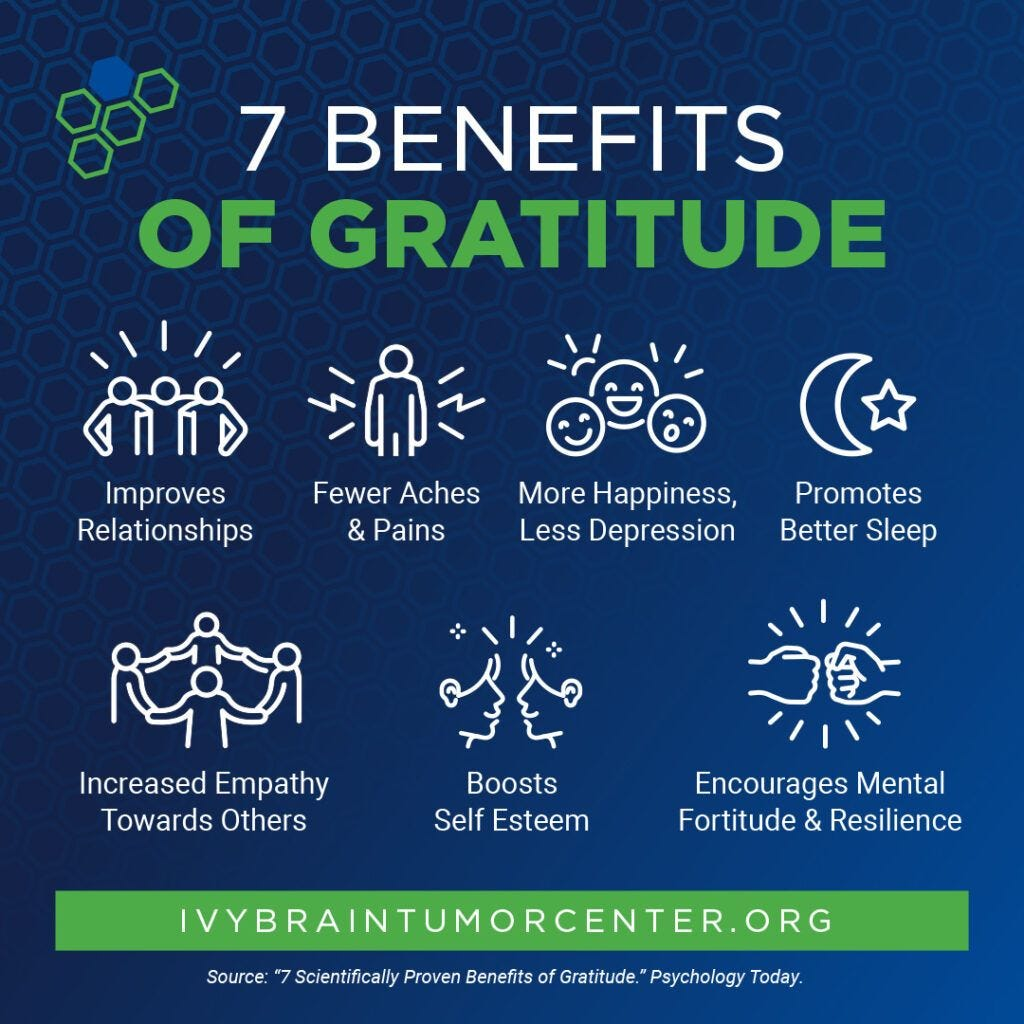
    Most people think learning is all about focus, repetition, and effort. You study, you memorize, you repeat. But what if I told you that gratitude — something as simple as feeling thankful — can actually help you remember more and learn better? It sounds a little strange, right? Gratitude feels more like an emotion you use to say “thanks,” not something connected to brain performance. But there’s growing science behind it.

    Gratitude doesn’t just make you feel good. It changes how your brain works. It shifts your mood, your focus, even the way your memory stores information. Researchers have been diving into this for years now, and the results are fascinating. A grateful mindset seems to literally rewire the brain to learn and retain information more efficiently. Let’s explore how and why that happens — and how you can build gratitude into your learning routine.

    The Science Behind Gratitude and Memory

    When you practice gratitude, your brain releases neurotransmitters like dopamine and serotonin — the “feel-good” chemicals. These chemicals improve mood, motivation, and concentration. Dopamine, in particular, plays a key role in learning and memory formation. It’s what helps your brain mark certain experiences or information as “important.”

    Think about when you feel stressed or anxious while studying. Your brain goes into a fight-or-flight mode. Cortisol levels rise, and your body interprets learning as a kind of “threat.” In that state, it’s harder to focus or store information. Gratitude works almost like an antidote. It lowers cortisol, calms the nervous system, and opens your brain up to new information.

    A study from the University of California, Davis found that people who practiced daily gratitude journaling not only reported higher levels of happiness but also showed improved cognitive function and memory retention. Gratitude, it turns out, helps your brain stay in a more balanced and receptive state — which is exactly what you need when you’re trying to learn something new.

    How Gratitude Changes the Brain

    Here’s the thing: the brain loves patterns. When you practice gratitude consistently, your neural pathways actually start to shift. Functional MRI scans have shown that gratitude activates the prefrontal cortex — the part of the brain responsible for decision-making, emotional regulation, and learning. It also lights up the hippocampus, which plays a big role in memory consolidation.

    That means when you regularly practice gratitude, you’re strengthening the very brain regions that help you retain knowledge. You’re making it easier for your brain to absorb information and recall it later.

    And there’s another layer to it: gratitude reduces mental clutter. When you focus on what’s going well, you stop ruminating on what’s going wrong. That mental clarity frees up cognitive resources. Simply put, you have more “brain space” to focus, process, and remember.

    Simple Gratitude Practices for Better Learning Retention

    You don’t need to spend hours meditating or writing essays about gratitude to feel the effects. In fact, the most effective gratitude practices are simple and short — but consistent. Here are a few that work especially well for improving memory and learning.

    1. Gratitude Journaling Before Study Sessions

    Before diving into your books or laptop, take two minutes to jot down three things you’re grateful for. They don’t have to be big things — even small comforts count. Maybe your coffee tastes great this morning. Maybe your study environment feels peaceful. Or maybe you’re just grateful you have the chance to learn something new.

    This short exercise shifts your emotional state. It tells your brain, “I’m safe, I’m content, I’m open.” That’s a powerful mindset for learning. Studies show that students who journaled gratitude regularly before studying reported higher motivation and performed better in retention tests later.

    2. Reflective Gratitude at the End of the Day

    Before sleeping, think back to what went right that day — especially related to your learning. What did you understand better today than yesterday? What small win made you feel proud? Maybe you finally solved a tough problem, or you stayed consistent with your routine.

    This simple reflection reinforces positive learning experiences. It also helps your brain consolidate that day’s information while you sleep. Research suggests that emotional context — like feeling grateful or proud — makes memories “stickier.”

    3. Thank Your Teachers and Peers

    Whether you’re learning in a classroom, online, or on your own, expressing gratitude to people who support your learning can make a huge difference. Thanking a teacher for their guidance or a peer for explaining something improves social connection — which is another factor that boosts retention. When learning feels relational, not mechanical, it becomes more meaningful and memorable.

    4. Gratitude Meditation

    Gratitude meditation isn’t just sitting cross-legged thinking about how “thankful” you are. It’s about intentionally focusing your attention on people, moments, or things that bring value to your life. You might close your eyes and visualize someone who’s helped you learn, and mentally say thank you.

    Even five minutes of this kind of focused gratitude can calm the mind and increase mental clarity. It’s especially useful before exams or high-stress situations. Many students report that gratitude meditation reduces test anxiety and helps them recall information more smoothly.

    5. Reframe Challenges with Gratitude

    One of the most advanced (and powerful) forms of gratitude is reframing setbacks. Instead of thinking, “I’m terrible at this,” try, “I’m grateful I get to practice and improve.” This small mental shift changes your brain’s response from frustration to curiosity. Over time, it builds resilience — and resilient learners retain knowledge better because they stay engaged, not defeated, when they face difficulties.

    The Emotional Connection to Learning

    Learning is not just a mechanical process; it’s emotional too. The things we remember most deeply are tied to how we felt when we learned them. Gratitude amplifies positive emotions, which makes the brain tag those moments as “important.” That’s why when you’re happy or inspired while learning something, it tends to stick for years.

    Gratitude also nurtures patience — an underrated learning skill. When you’re thankful for the process rather than fixated on the outcome, you enjoy learning itself. That enjoyment keeps you consistent, and consistency is the real secret behind retention.

    The Bigger Picture

    Practicing gratitude isn’t about pretending everything is perfect. It’s about choosing where to focus your attention. You can have a tough day, feel tired, or make mistakes — and still find something to appreciate in that experience. That small shift keeps your motivation alive and your brain engaged.

    Over time, gratitude turns learning from a stressful task into something meaningful. You start seeing every bit of progress as something to celebrate, and that celebration reinforces your drive to keep learning.

    Final Thoughts

    Gratitude might seem like a soft skill, something that belongs in self-help books, not study strategies. But neuroscience is proving otherwise. When you make gratitude part of your learning routine — through journaling, reflection, or meditation — you’re not just improving your mood. You’re optimizing your brain for retention, focus, and long-term growth.

    Learning fueled by gratitude is deeper, calmer, and more enduring. So, the next time you sit down to study, take a moment to say a quiet “thank you.” To yourself, to your teachers, to the process. You’ll be surprised how much more you’ll remember when you learn with a grateful mind.

  • How to Build Patience for Long-Term Self-Development

    Everyone talks about personal growth like it’s a checklist. Read more books. Wake up early. Go to the gym. Learn new skills. But here’s the truth nobody likes to say out loud — real self-development takes time, and the one skill that decides whether you’ll actually grow or give up halfway is patience.

    Patience isn’t something you just wake up with one day. It’s a muscle you build slowly, sometimes painfully, through discomfort, setbacks, and those long, boring stretches where nothing seems to be changing. But if you can learn to stay patient while working toward your goals, you’ll end up not only stronger but also wiser and more grounded.

    Let’s talk about how to actually build that kind of patience — the kind that keeps you calm and moving forward even when progress feels invisible.

    1. Understand That Growth Has Seasons

    Every long-term goal — whether it’s building a business, mastering a craft, or improving your mindset — goes through seasons. There’s a season of excitement when everything feels new and full of possibility. Then comes the slow season, when progress feels stuck and motivation drops.

    Most people quit during that slow season because they mistake it for failure. But it’s not failure; it’s incubation. It’s like when a seed is planted — for weeks it looks like nothing’s happening, but under the soil, roots are spreading.

    If you can accept that not all progress is visible, you’ll already be miles ahead of most people. Patience starts when you stop demanding constant proof that you’re growing.

    2. Redefine What Progress Means

    We often think progress means results — losing 10 pounds, getting a promotion, hitting 10,000 followers. But real growth happens in the tiny, invisible shifts. Maybe you reacted with a little less anger this time. Maybe you pushed through one extra page of study when you wanted to quit.

    If you start noticing these micro-wins, your mindset changes. You begin to realize progress isn’t always dramatic — it’s gradual. And that realization naturally builds patience because you stop feeling like you’re wasting time. You see that every small effort counts.

    Try this: at the end of each day, write down one small thing you did that your “old self” might have skipped. It might feel silly, but after a week, you’ll see just how much you’re actually moving forward.

    3. Learn to Sit with Discomfort

    This is the hard part. Patience isn’t peaceful; it’s often uncomfortable. It’s sitting with boredom, frustration, and the urge to rush things — and choosing not to.

    When you start something new, your brain craves instant results. It’s wired for reward. That’s why scrolling social media feels so satisfying — it gives you quick dopamine hits. But real growth doesn’t give you that. It’s slow, quiet, and sometimes flat-out boring.

    If you can learn to sit with that discomfort — to breathe through it instead of escaping — you’ll train your mind to stay grounded when life gets uncertain. Try mindfulness or even slow breathing exercises when you feel impatience rising. It’s not about forcing calm; it’s about letting yourself feel the discomfort and realizing it won’t destroy you.

    4. Create Systems, Not Just Goals

    Here’s a truth most people overlook: goals rely on motivation; systems rely on patience.

    When you only focus on the end goal, you constantly measure how far you are from it, which fuels impatience. But if you build a system — small daily habits that support your growth — you shift your attention to the process itself.

    For example, instead of saying “I want to write a book,” build a system where you write 200 words every morning, no matter what. Over time, those 200 words add up. And because the focus is on the routine, not the outcome, you naturally grow more patient.

    Consistency is what feeds patience. The more you show up, even when it’s boring, the more your brain learns that growth is a long game worth waiting for.

    5. Detach Your Timeline

    This might sting a little, but you need to let go of your ideal timeline. Life almost never moves the way we want it to. Things take longer. Opportunities fall through. People disappoint us.

    Impatience often comes from comparing our progress to someone else’s or to some imaginary version of ourselves we thought we’d be by now. That’s a losing game. Everyone’s journey unfolds at its own pace.

    When you detach from timelines, you free yourself from unnecessary pressure. You start focusing on the quality of your journey, not how fast you’re moving. Growth doesn’t need a deadline.

    6. Practice Gratitude in the Waiting

    This one might sound cliché, but gratitude is a quiet teacher of patience. When you regularly stop to appreciate where you are — even if it’s not perfect — you train your mind to stay content in the moment.

    Instead of thinking “I’m not there yet,” try saying “I’m further than I was.” Gratitude shifts your focus from lack to progress, from frustration to calm.

    Sometimes the waiting season is where you develop the strength you’ll need for the next chapter. Gratitude helps you see that the waiting itself is part of the gift.

    7. Reflect on How Far You’ve Come

    We rarely give ourselves credit for the growth that’s already happened. The mind has a funny way of forgetting old struggles once they’re behind us.

    When you feel impatient, take a moment to remember where you started. Look back at old journals, old habits, old mistakes. You’ll probably realize you’ve already evolved in ways your past self could only dream of.

    That reminder — that you’ve already grown before and will again — can ground you in patience. It’s proof that progress might be slow, but it’s real.

    8. Be Kind to Yourself in the Process

    Patience isn’t just about waiting; it’s also about how you treat yourself while you wait. If you spend the whole journey criticizing yourself for being “too slow” or “not disciplined enough,” you’ll burn out fast.

    Self-compassion keeps you steady. When you mess up, instead of saying “I failed again,” try “Okay, I slipped — but I’m still learning.” That small shift changes everything. You start seeing patience not as punishment but as an act of kindness toward your future self.

    Remember, no one grows perfectly. Everyone stumbles. The ones who keep improving aren’t the most talented — they’re the ones who don’t quit when progress feels invisible.

    9. The Quiet Power of Time

    At the end of the day, patience is really just trust — trust that time will reward effort, even if the results aren’t showing yet.

    The longer you stay consistent, the easier patience becomes. You’ll start noticing that time works with you, not against you. Things that once felt impossible start to unfold naturally, almost quietly.

    That’s the hidden beauty of patience — it doesn’t shout. It whispers. It says, “Keep going. You’re getting there.”

    Final Thoughts

    Building patience for long-term self-development isn’t glamorous. It’s not something people post about online. It’s often slow, messy, and deeply personal. But it’s also what separates people who grow steadily from those who burn out chasing quick wins.

    Patience gives you staying power. It helps you show up, again and again, even when nobody’s watching, even when the results aren’t visible yet.

    In the end, personal growth isn’t about speed. It’s about staying committed through the seasons of silence until one day, almost without realizing it, you look back and see just how far you’ve come.

  • How to Maintain Motivation During Personal Challenges

    Staying motivated when life feels heavy is one of the hardest things to do. Everyone talks about success, consistency, and hustle — but no one really talks about the days when getting out of bed feels like a battle, when the mind feels foggy, and everything seems to take twice the effort. Personal challenges can come in many forms — losing a job, failing an exam, heartbreak, health issues, or simply feeling lost. During those times, motivation doesn’t just vanish — it hides. The trick is learning how to find it again, piece by piece.

    1. Accept That Motivation Will Fluctuate

    Let’s start with something most people don’t admit — motivation isn’t constant. It comes and goes, and that’s perfectly normal. Some days you’ll feel unstoppable, and on others, you’ll struggle to do even small tasks. Instead of beating yourself up for feeling unmotivated, accept it as part of the process. Think of motivation like the tide — it rises and falls, but it always comes back.

    When you stop expecting yourself to be “on” all the time, you reduce pressure. This acceptance creates mental space to focus on progress rather than perfection. So, if you’re having one of those off days, tell yourself — “It’s okay. I’m still moving, even if it’s slow.”

    2. Reconnect With Your “Why”

    When challenges hit, it’s easy to forget why you started something in the first place. We get so wrapped up in the pain, the setback, or the fear of failure that the original purpose fades. That’s why revisiting your “why” is crucial.

    Ask yourself:
    – What made me want to do this in the first place?
    – Who am I doing it for?
    – What will my life look like if I give up now versus if I keep going?

    Write your answers down somewhere visible — on a wall, a notebook, your phone’s lock screen. When your “why” is clear and visible, it becomes harder to give in to the noise. The “why” gives meaning to the effort.

    3. Break Down Big Goals into Tiny Steps

    One major reason motivation fades is because big goals feel impossible when we’re already struggling. If you’re dealing with personal issues, your emotional energy is limited. So instead of trying to do everything at once, shrink your goals down — make them ridiculously small.

    For example:
    Instead of “I’ll work out for an hour,” say “I’ll stretch for 5 minutes.”
    Instead of “I’ll write 10 pages,” say “I’ll write one paragraph.”

    This might sound too simple, but it works because small wins create momentum. Every tiny step signals progress to your brain, which releases dopamine — the motivation chemical. Over time, those small steps rebuild your confidence and your rhythm.

    4. Focus on What You Can Control

    When life gets hard, a lot of things feel out of control. You can’t control other people’s actions, unexpected events, or even how you feel some days. What you can control is your response — how you choose to act in the face of difficulty.

    Try making a short list every morning of what’s in your control and what’s not. Then, let go of the second list. This helps you channel your limited energy toward things that actually make a difference — your effort, your habits, your attitude.

    5. Build a Routine (Even a Loose One)

    When life feels chaotic, a simple routine can be your anchor. It doesn’t have to be strict or perfect. Just something that brings structure when everything else feels uncertain.

    Start small: wake up at a consistent time, eat breakfast, spend 10 minutes journaling, or go for a short walk. These habits might seem trivial, but they create rhythm. That rhythm slowly rebuilds stability — and from stability, motivation can grow again.

    6. Surround Yourself With Support

    It’s tempting to isolate yourself during tough times. You don’t want to burden others, or maybe you just don’t have the energy to talk. But isolation makes challenges heavier.

    Reach out — even a small conversation helps. You don’t have to pour your heart out; just being around people who lift your energy matters. Talk to a friend, family member, mentor, or therapist. Join online communities where people understand what you’re going through. Sometimes, motivation doesn’t come from within — it comes from the people who remind you of your strength when you’ve forgotten it yourself.

    7. Let Yourself Rest Without Guilt

    Here’s something most people misunderstand — rest is not the opposite of productivity. It’s part of it. If you’re pushing through exhaustion, your motivation will eventually collapse. When you’re emotionally drained, rest isn’t laziness — it’s recovery.

    Take a break, unplug, sleep, go for a walk without your phone. Do something that doesn’t require output — just being. Your body and mind need time to refill. Once you allow rest without guilt, you’ll notice your energy and focus return naturally.

    8. Practice Self-Compassion

    We’re often our own harshest critics. When we fail, we label ourselves as lazy, weak, or incapable. But this only feeds self-doubt and kills motivation. Instead, talk to yourself like you would to a close friend. Be kind. Acknowledge the effort, not just the results.

    Say things like:
    – “I’m trying, and that’s enough right now.”
    – “This is hard, but I’ve overcome hard things before.”

    Self-compassion builds resilience. When you feel supported by your own inner voice, it becomes easier to keep going, even when everything feels against you.

    9. Redefine Progress

    During personal struggles, progress might not look like big leaps — and that’s okay. Progress might mean getting out of bed, answering one email, or taking a shower on a tough day. It might mean simply not giving up.

    Redefine what progress means for you during this season. Motivation grows when you allow yourself to celebrate the small victories instead of constantly focusing on how far you still have to go.

    10. Keep Hope Alive — Even When It Feels Distant

    Hope is quiet but powerful. It’s not about being overly positive or pretending everything’s fine — it’s about believing that things can improve, even slightly. Hope gives meaning to persistence.

    Sometimes you just have to hold on, even if motivation feels like a faint flicker. It’s okay to move slow. What matters is you’re still moving. Every storm eventually passes, and the strength you build during this time will carry you forward in ways you can’t yet imagine.

    Final Thoughts

    Maintaining motivation during personal challenges isn’t about always feeling inspired or positive. It’s about resilience — showing up for yourself even when it’s hard. It’s about adjusting, resting, starting over, and forgiving yourself in the process.

    Motivation isn’t a constant fire; it’s a spark you have to protect. Some days it burns bright, and some days it barely glows — but as long as you keep tending to it, it never fully goes out.

    You might not see it now, but every small effort you make during hard times is shaping you into a stronger, wiser, more grounded version of yourself. Keep going — slowly, imperfectly, but forward.

    Staying motivated when life feels heavy is one of the hardest things to do. Everyone talks about success, consistency, and hustle — but no one really talks about the days when getting out of bed feels like a battle, when the mind feels foggy, and everything seems to take twice the effort. Personal challenges can come in many forms — losing a job, failing an exam, heartbreak, health issues, or simply feeling lost. During those times, motivation doesn’t just vanish — it hides. The trick is learning how to find it again, piece by piece.

    1. Accept That Motivation Will Fluctuate

    Let’s start with something most people don’t admit — motivation isn’t constant. It comes and goes, and that’s perfectly normal. Some days you’ll feel unstoppable, and on others, you’ll struggle to do even small tasks. Instead of beating yourself up for feeling unmotivated, accept it as part of the process. Think of motivation like the tide — it rises and falls, but it always comes back.

    When you stop expecting yourself to be “on” all the time, you reduce pressure. This acceptance creates mental space to focus on progress rather than perfection. So, if you’re having one of those off days, tell yourself — “It’s okay. I’m still moving, even if it’s slow.”

    2. Reconnect With Your “Why”

    When challenges hit, it’s easy to forget why you started something in the first place. We get so wrapped up in the pain, the setback, or the fear of failure that the original purpose fades. That’s why revisiting your “why” is crucial.

    Ask yourself:
    – What made me want to do this in the first place?
    – Who am I doing it for?
    – What will my life look like if I give up now versus if I keep going?

    Write your answers down somewhere visible — on a wall, a notebook, your phone’s lock screen. When your “why” is clear and visible, it becomes harder to give in to the noise. The “why” gives meaning to the effort.

    3. Break Down Big Goals into Tiny Steps

    One major reason motivation fades is because big goals feel impossible when we’re already struggling. If you’re dealing with personal issues, your emotional energy is limited. So instead of trying to do everything at once, shrink your goals down — make them ridiculously small.

    For example:
    Instead of “I’ll work out for an hour,” say “I’ll stretch for 5 minutes.”
    Instead of “I’ll write 10 pages,” say “I’ll write one paragraph.”

    This might sound too simple, but it works because small wins create momentum. Every tiny step signals progress to your brain, which releases dopamine — the motivation chemical. Over time, those small steps rebuild your confidence and your rhythm.

    4. Focus on What You Can Control

    When life gets hard, a lot of things feel out of control. You can’t control other people’s actions, unexpected events, or even how you feel some days. What you can control is your response — how you choose to act in the face of difficulty.

    Try making a short list every morning of what’s in your control and what’s not. Then, let go of the second list. This helps you channel your limited energy toward things that actually make a difference — your effort, your habits, your attitude.

    5. Build a Routine (Even a Loose One)

    When life feels chaotic, a simple routine can be your anchor. It doesn’t have to be strict or perfect. Just something that brings structure when everything else feels uncertain.

    Start small: wake up at a consistent time, eat breakfast, spend 10 minutes journaling, or go for a short walk. These habits might seem trivial, but they create rhythm. That rhythm slowly rebuilds stability — and from stability, motivation can grow again.

    6. Surround Yourself With Support

    It’s tempting to isolate yourself during tough times. You don’t want to burden others, or maybe you just don’t have the energy to talk. But isolation makes challenges heavier.

    Reach out — even a small conversation helps. You don’t have to pour your heart out; just being around people who lift your energy matters. Talk to a friend, family member, mentor, or therapist. Join online communities where people understand what you’re going through. Sometimes, motivation doesn’t come from within — it comes from the people who remind you of your strength when you’ve forgotten it yourself.

    7. Let Yourself Rest Without Guilt

    Here’s something most people misunderstand — rest is not the opposite of productivity. It’s part of it. If you’re pushing through exhaustion, your motivation will eventually collapse. When you’re emotionally drained, rest isn’t laziness — it’s recovery.

    Take a break, unplug, sleep, go for a walk without your phone. Do something that doesn’t require output — just being. Your body and mind need time to refill. Once you allow rest without guilt, you’ll notice your energy and focus return naturally.

    8. Practice Self-Compassion

    We’re often our own harshest critics. When we fail, we label ourselves as lazy, weak, or incapable. But this only feeds self-doubt and kills motivation. Instead, talk to yourself like you would to a close friend. Be kind. Acknowledge the effort, not just the results.

    Say things like:
    – “I’m trying, and that’s enough right now.”
    – “This is hard, but I’ve overcome hard things before.”

    Self-compassion builds resilience. When you feel supported by your own inner voice, it becomes easier to keep going, even when everything feels against you.

    9. Redefine Progress

    During personal struggles, progress might not look like big leaps — and that’s okay. Progress might mean getting out of bed, answering one email, or taking a shower on a tough day. It might mean simply not giving up.

    Redefine what progress means for you during this season. Motivation grows when you allow yourself to celebrate the small victories instead of constantly focusing on how far you still have to go.

    10. Keep Hope Alive — Even When It Feels Distant

    Hope is quiet but powerful. It’s not about being overly positive or pretending everything’s fine — it’s about believing that things can improve, even slightly. Hope gives meaning to persistence.

    Sometimes you just have to hold on, even if motivation feels like a faint flicker. It’s okay to move slow. What matters is you’re still moving. Every storm eventually passes, and the strength you build during this time will carry you forward in ways you can’t yet imagine.

    Final Thoughts

    Maintaining motivation during personal challenges isn’t about always feeling inspired or positive. It’s about resilience — showing up for yourself even when it’s hard. It’s about adjusting, resting, starting over, and forgiving yourself in the process.

    Motivation isn’t a constant fire; it’s a spark you have to protect. Some days it burns bright, and some days it barely glows — but as long as you keep tending to it, it never fully goes out.

    You might not see it now, but every small effort you make during hard times is shaping you into a stronger, wiser, more grounded version of yourself. Keep going — slowly, imperfectly, but forward.