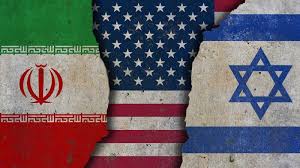
The Middle East has once again become the focus of global attention as tensions between regional powers continue to rise. Recent clashes involving Israel, Hezbollah, and Iran have sparked concerns among governments, international organizations, and financial markets. The situation remains highly sensitive, with world leaders urging restraint and diplomatic engagement to prevent a broader conflict.
The Middle East has long been one of the most strategically important regions in the world. It is home to major energy resources, critical trade routes, and several longstanding geopolitical rivalries. As a result, any escalation in the region has the potential to affect global security and economic stability.
One of the main factors contributing to the current tensions is the ongoing confrontation between Israel and Hezbollah. Hezbollah is a powerful political and military organization based in Lebanon that has maintained a complex and often hostile relationship with Israel for decades. Border incidents, missile exchanges, and military operations have periodically increased tensions between the two sides.
Iran’s involvement adds another layer of complexity to the situation. Tehran has historically supported Hezbollah and maintains strong ties with various groups across the region. Because of these relationships, developments involving Hezbollah often carry broader regional implications. Analysts believe that any major escalation could draw additional actors into the conflict, increasing the risk of instability.
Recent reports suggest that diplomatic communication between Iran and the United States has become more difficult following the latest developments. Efforts to reduce tensions through negotiations have faced setbacks, creating concerns that diplomatic solutions may become harder to achieve. Nevertheless, international mediators continue to encourage dialogue and cooperation.
The United Nations has repeatedly called for restraint from all parties involved. UN officials have emphasized the importance of avoiding actions that could worsen the situation or increase civilian suffering. Similar messages have come from European governments and other international stakeholders who support diplomatic solutions.
Global financial markets have reacted cautiously to the rising tensions. Investors are closely monitoring developments because the Middle East plays a crucial role in global energy production and transportation. Even the possibility of disruptions can affect oil prices, investment decisions, and economic forecasts.
Energy security remains one of the most significant concerns. Several major oil-producing countries are located in the region, and important shipping routes pass through Middle Eastern waters. Any threat to these routes could impact global energy supplies and contribute to higher fuel prices around the world.
Beyond economic concerns, humanitarian issues are also drawing attention. Past conflicts in the region have displaced millions of people and caused extensive damage to infrastructure. Humanitarian organizations are monitoring the situation closely and preparing to provide assistance if conditions deteriorate.
Security experts note that modern conflicts often extend beyond traditional military operations. Cyberattacks, information campaigns, and economic measures have become increasingly important tools in geopolitical competition. As a result, regional tensions can influence many aspects of international relations without necessarily leading to full-scale warfare.
The United States remains a major player in Middle Eastern diplomacy. American officials continue to engage with regional partners while supporting efforts to reduce tensions. Washington’s influence, combined with the involvement of European and regional governments, may play a critical role in shaping future developments.
Several Middle Eastern countries are also working to prevent further escalation. Many governments recognize that prolonged instability can harm economic growth, discourage investment, and create security challenges. As a result, there is strong interest in maintaining stability and encouraging constructive dialogue.
Experts believe that diplomacy remains the most effective path toward reducing tensions. While military actions often attract immediate attention, long-term solutions typically require negotiation, compromise, and sustained engagement between rival parties. History has shown that communication channels can help prevent misunderstandings and reduce the risk of unintended conflict.
The coming weeks and months are likely to be important for the region’s future. Decisions made by political leaders, military commanders, and international organizations will influence whether tensions continue to rise or gradually decrease. Markets, governments, and citizens around the world will be watching closely.
In conclusion, the renewed tensions involving Israel, Hezbollah, and Iran have highlighted the fragile nature of regional stability in the Middle East. The situation carries significant implications for international security, global energy markets, and humanitarian conditions. While challenges remain, diplomatic efforts continue to offer hope for de-escalation and long-term stability. The international community’s response will play a crucial role in determining the direction of events in one of the world’s most important regions.
Leave a Reply