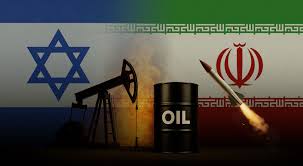
The Middle East is once again at the center of global attention as tensions between Iran and Israel continue to rise in 2026. The situation has become one of the most discussed international topics because of its impact on regional stability, oil prices, and global security. Military operations, political statements, and diplomatic negotiations are all contributing to an atmosphere of uncertainty across the region.
The conflict between Iran and Israel has a long history, but recent developments have increased fears of a wider regional confrontation. Israel has carried out several military operations targeting groups linked to Iran in neighboring countries such as Lebanon and Syria. Iranian-backed organizations, including Hezbollah, have also increased their activities near the Israeli border. These developments have raised concerns among world leaders that the conflict could spread into a larger war involving multiple countries.
One major issue behind the tensions is Iran’s nuclear program. Western countries and Israel believe Iran could develop nuclear weapons capabilities, while Iran insists its nuclear activities are for peaceful energy purposes. International negotiations aimed at controlling Iran’s nuclear program have continued for years, but disagreements remain unresolved. Recent reports about uranium enrichment activities have increased pressure on global powers to restart serious diplomatic talks.
The United States has also become deeply involved in the situation. American officials are trying to prevent further escalation while supporting Israel’s security concerns. At the same time, Washington is encouraging diplomatic solutions to avoid another major conflict in the Middle East. Several European nations and the United Nations have also called for restraint and peaceful negotiations between all parties.
The crisis has affected global oil markets significantly. The Middle East is one of the world’s most important oil-producing regions, and any instability there immediately impacts energy prices worldwide. Investors and economists are closely monitoring developments because rising oil prices can increase inflation and slow economic growth in many countries. Shipping routes in the Persian Gulf are also under increased security monitoring because disruptions there could affect international trade.
Ordinary civilians across the region are facing fear and uncertainty due to the ongoing tensions. In areas close to military activity, families are preparing for possible emergencies while governments strengthen national security measures. Humanitarian organizations are also concerned about the possibility of displacement and civilian suffering if the conflict intensifies further.
Social media and global news networks have played a huge role in spreading information about the crisis. Videos, political speeches, and military updates are quickly shared online, making the situation one of the most discussed global topics. However, experts warn that misinformation and emotional propaganda can increase fear and confusion among the public.
The situation has also influenced international diplomacy. Countries such as Saudi Arabia, Qatar, and Turkey are trying to maintain balance while protecting their own political and economic interests. China and Russia have also expressed concern about regional stability and called for peaceful dialogue. Analysts believe that cooperation among global powers will be necessary to prevent a larger conflict.
Military experts say modern warfare technology is becoming increasingly important in the Middle East. Drones, missile defense systems, cyber warfare, and satellite intelligence are all being used in the region. Governments are investing billions of dollars in advanced military technologies to strengthen their defense capabilities.
The possibility of peace still exists, but it depends heavily on diplomatic negotiations and international cooperation. Many world leaders believe that direct communication between involved countries is necessary to reduce tensions and prevent further violence. International organizations continue to encourage dialogue, hoping to avoid a conflict that could affect millions of people worldwide.
The Iran-Israel tensions remain one of the most important global stories of 2026. The situation affects not only the Middle East but also global economics, politics, and international security. As the world watches closely, governments are working to balance military preparedness with diplomatic efforts. The coming months will be crucial in determining whether the region moves toward stability or faces a deeper crisis.
Leave a Reply