How to Learn Effectively Without Formal Education
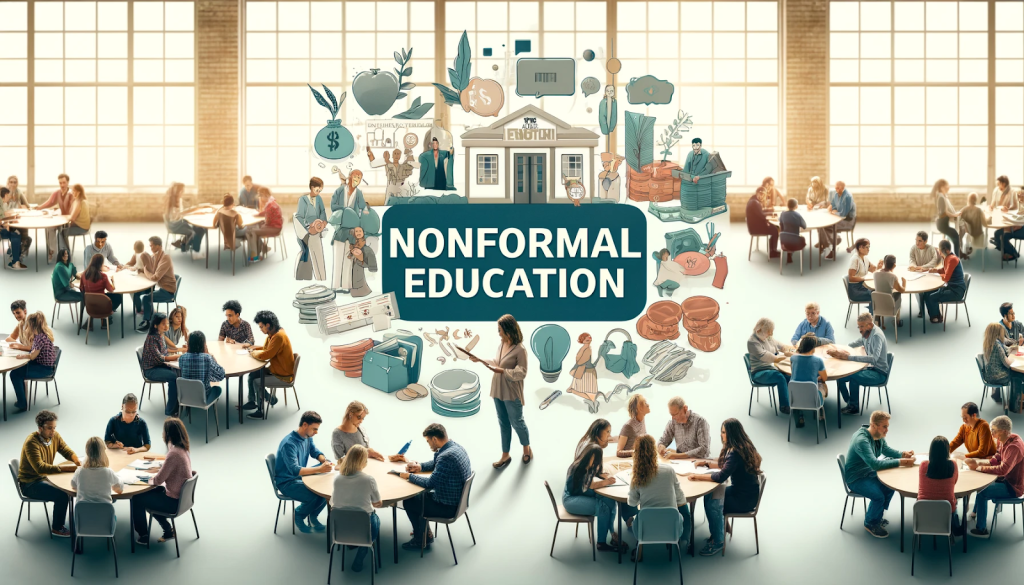
Learning. It’s something we all do, right? But when most people think about learning, they picture classrooms, textbooks, exams, degrees. The thing is—formal education isn’t the only way to gain knowledge. In fact, some of the smartest, most successful people never went through the traditional system—or at least not fully. They found ways to learn effectively on their own, without teachers, curriculums, or deadlines. The good news? You can too. The trick is not just learning—it’s learning smart.
Understanding Why Formal Education Isn’t the Only Path
Before jumping into techniques, it’s important to understand why self-directed learning works. Formal education gives structure, sure. It gives certificates that society respects, and a social environment where learning is expected. But it also comes with limitations. Curriculums are often rigid. Teachers may not cater to your learning speed or style. And let’s be honest, a lot of the stuff taught isn’t always practical in real life.
Self-learning, on the other hand, gives you freedom. You choose what to learn, when to learn it, and how deep to go. You can focus on skills that matter to your personal or professional goals, and skip the stuff that doesn’t. This doesn’t mean it’s easier—self-learning requires discipline, curiosity, and smart strategies—but it can be incredibly effective.
Step 1: Discover What You Really Want to Learn
It’s easy to get lost trying to learn everything. But effective self-learners know that focusing on specific topics is crucial. Ask yourself: what skills or knowledge will actually benefit me? Why am I learning this? The “why” is important because motivation is everything when there’s no teacher pushing you.
Make a list. Don’t overthink it. Write down skills, subjects, or topics that intrigue you—even if they seem random. Once you have a list, prioritize based on impact and interest. This makes learning feel purposeful instead of chaotic.
Step 2: Use the Right Resources
Now that you know what you want to learn, where do you start? The internet is full of resources—but here’s the catch: not all are equally good. You don’t need to consume everything; you need the right stuff.
Books are still gold. They go deep, give context, and train your brain to focus. But ebooks, audiobooks, and summaries can also help if your schedule is tight.
Online courses are another option. Platforms like Coursera, Udemy, and Khan Academy let you learn from experts, often for free or at a fraction of the cost of college. You can pause, rewind, or skip topics—something impossible in a classroom.
And don’t ignore communities. Reddit forums, Discord groups, and Facebook communities are full of people learning the same stuff. You can ask questions, get advice, or find accountability partners. Learning in isolation is harder—learning with others helps you stay consistent.
Step 3: Learn by Doing
This might be the most important part: apply what you learn. Knowledge without practice is just trivia. Let’s say you’re learning coding. Don’t just read tutorials. Build something—anything. Even a tiny project teaches more than weeks of theory.
Same goes for writing, art, business skills, or languages. Practice is non-negotiable. And mistakes? Embrace them. Self-learners often improve faster than formal students because they learn by trial and error, not just tests and grades.
Step 4: Break It Down and Focus
Humans aren’t wired to focus for hours on end. Trying to learn too much at once leads to burnout. Effective self-learners break topics into small chunks and tackle them one at a time.
Techniques like Pomodoro (25-minute focus sessions) or time blocking work well. The goal is deep, uninterrupted focus. When you focus intensely on a small piece of knowledge or a skill, your brain actually remembers it better.
Also, don’t ignore review. Revisiting material periodically solidifies memory. Self-learners often use notes, flashcards, or even simple lists to make sure nothing slips through the cracks.
Step 5: Teach What You Learn
There’s a saying: “If you want to master something, teach it.” Teaching forces you to understand the topic deeply. It reveals gaps in your knowledge and helps you remember concepts longer.
You don’t need an audience. You can explain concepts to yourself in a journal, blog posts, or even short videos. Sharing with friends or online communities is also great—you get feedback and different perspectives.
Step 6: Embrace Curiosity and Adaptability
One of the biggest advantages of learning outside formal education is freedom. You can explore weird topics, combine different disciplines, and pivot when something isn’t working. Curiosity is your fuel.
At the same time, stay adaptable. Methods that work for one skill may not work for another. If your approach isn’t yielding results, tweak it. Maybe you need more hands-on practice, more reading, or a mentor. The ability to adapt is what keeps self-learners moving forward while others plateau.
Step 7: Build Discipline, Not Motivation
Motivation comes and goes. Discipline keeps you learning every day, even when you don’t feel like it. Set small daily goals. Make a habit of learning at the same time each day. Track your progress. Even 30 minutes daily adds up to huge results over months or years.
Consistency is more important than intensity. Learning for two hours in one day and skipping five is less effective than learning 30 minutes every single day.
Step 8: Evaluate and Reflect
Periodically, reflect on what you’ve learned. Are you getting closer to your goals? Which methods worked best? What could be improved? Self-reflection turns random efforts into a systematic approach.
Remember, self-education isn’t about collecting certificates—it’s about mastery. Reflection ensures that your learning has direction and purpose.
Real-Life Examples
Look at people like Elon Musk, Steve Jobs, or Benjamin Franklin. Their formal education was limited, but they excelled by being relentless self-learners. They read obsessively, experimented constantly, and applied what they learned in real life. You don’t need a college degree to become an expert—just a commitment to learning effectively.
Final Thoughts
Learning effectively without formal education is not a shortcut—it’s a different path. It requires curiosity, discipline, and strategy. Focus on what matters, use the right resources, practice relentlessly, and reflect on your progress. Teach others, adapt, and don’t fear mistakes.