Category: education

  • Smart Learning for Smarter Financial Decisions


    In today’s world, money decisions matter more than ever. A person may earn well, but if they don’t know how to manage their money, they may still face stress, debt, and financial instability. On the other hand, even a person with a small income can live peacefully and grow financially if they understand how to make smart financial decisions.
    This is where smart learning plays a powerful role.

    Smart learning is not about studying harder — it’s about learning the right things at the right time.
    It means learning skills, ideas, and knowledge that help us make better everyday decisions, especially related to money

    1. Understanding Money Before Using It

    Many people spend money without thinking.
    They follow trends, copy others, and buy things only to impress.
    But smart learners understand why they are spending money.

    They ask themselves:

    • Do I really need this?
    • Is this useful?
    • Will this help me grow?

    By understanding the value of money, a person automatically makes wiser choices.

    2. Learning Financial Basics

    Smart learning involves gaining basic money knowledge, like:

    • What is saving?
    • What is budgeting?
    • What is investment?
    • What is profit and loss?

    These are not complicated concepts — they are everyday life ideas.
    When we know how money works, we stop wasting it and start using it wisely.

    Example:
    If you earn $20 and you save $5 every time, you are already creating a stable habit.
    Small steps lead to big results.

    3. Observing and Learning from Experience

    Good financial decisions do not always come from books.
    They come from observation and experience.

    Smart learners:

    • Notice how successful people manage money
    • Learn from mistakes (their own and others’)
    • Understand the difference between “needs” and “wants”
    • Stay away from unnecessary loans and emotional shopping

    Every day teaches something — if we are willing to learn.

    4. Using Technology Wisely

    We live in a digital era.
    There are apps, tutorials, courses, and tools that teach budgeting, saving, and investing.

    Smart learners use technology to:

    • Track their expenses
    • Learn new skills
    • Understand financial planning
    • Explore better earning opportunities

    Technology gives knowledge — but how we use it makes the difference.

    5. Thinking Long-Term Instead of Short-Term

    Many people want quick results.
    But financial growth requires patience.

    Smart financial decisions are based on:

    • Future planning
    • Stable choices
    • Gradual improvement

    Buying something today for temporary happiness is easy.
    Saving money and investing for future security is smart.


    6. Building Good Money Habits

    Success with money is not a one-time decision.
    It is a collection of daily habits, such as:

    • Saving a small amount regularly
    • Avoiding impulse purchases
    • Planning expenses before spending
    • Learning and improving continuously

    Good habits turn ordinary people into financially strong individuals.

    7. Never Stop Learning

    Money rules change.
    Jobs change.
    Markets change.
    But if we keep learning, we stay ready.

    Smart learners understand that:

    • Education doesn’t end with school.
    • Learning continues every day.
    • Growth never stops.

    The more we learn, the better we decide — and the better we live.

    Conclusion

    Smart learning is the foundation of smart financial decisions.
    It teaches us to:

    • Understand money,
    • Manage it wisely,
    • Spend with responsibility,
    • Save with discipline,
    • And invest with confidence.

    Financial freedom does not come from luck — it comes from knowledge, awareness, and strong habits.

    In simple words:

    If you learn smart, you will earn smart.
    If you spend wisely, you will grow steadily.

    This is how we create a future that is secure, stable, and full of possibilities.

  • Education That Builds Financial Freedom and Growth

    Education is often misunderstood. Many people think education means only going to school, memorizing lessons, giving exams, and getting good marks. But real education is something much bigger. Real education teaches us how to live, how to think, and how to grow. One of the most important things real education can give us is financial freedom — the ability to manage money wisely, earn confidently, and live without constant financial stress.

    Financial freedom is not just about being rich.
    It is about having control over your finances and your future.
    And this control comes from the right kind of education.

    1. Financial Education Is Different from School Education

    Schools teach:

    • History
    • Science
    • Language
    • Mathematics

    But very few schools teach:

    • How to earn money
    • How to save and invest
    • How to budget
    • How to start a business
    • How to avoid debt

    This is where financial education becomes important.

    Financial education teaches:

    • How money works
    • How to grow money
    • How to protect money

    Without financial education, people often work hard their entire lives — but still struggle.

    2. Education That Builds Skills Leads to Growth

    Degrees alone do not create financial freedom.
    Skills do.

    Skills like:

    • Communication
    • Problem-solving
    • Digital skills
    • Leadership
    • Creativity
    • Time management

    These skills help a person earn better, work smarter, and become valuable in any field.

    A person with skills has more opportunities and more independence, which leads to financial stability.

    3. Learning How to Earn Smart, Not Just Work Hard

    Many people work hard but do not grow financially.
    Because they are using effort, not strategy.

    The right education teaches us:

    • How to earn using knowledge
    • How to earn using skills
    • How to create multiple sources of income
    • How to use technology to work smart

    When you learn how to work smart, your growth becomes faster and long-lasting.

    4. Saving and Investing — The Foundation of Freedom

    Financial freedom requires two habits:

    • Save wisely
    • Invest wisely

    Saving helps you stay safe during difficult times.
    Investing helps your money grow while you sleep.

    Good education teaches:

    • Not to waste money on showing off
    • To think long-term, not short-term
    • To invest in learning and skills first, lifestyle later

    When money is used wisely, life becomes stable and peaceful.

    5. Building a Growth Mindset

    Financial success is not just about money.
    It is about mindset.

    A growth mindset means:

    • Learning continuously
    • Adapting to changes
    • Accepting mistakes and improving
    • Believing that improvement is always possible

    People with a growth mindset keep moving forward no matter how tough life becomes.

    This mindset is the true source of financial freedom.
    6. Education That Encourages Independence

    Real education teaches us:

    • How to make our own decisions
    • How to manage our own time
    • How to take responsibility for our actions

    When a person becomes independent in thinking,
    they stop depending on luck, others, or circumstances.

    They start building their own path.

    That is where financial freedom and success truly begin.

    Conclusion

    Financial freedom does not come from luck.
    It comes from learning, skills, discipline, and a strong mindset.

    Education that builds financial freedom teaches us to:

    • Think clearly
    • Earn wisely
    • Spend carefully
    • Save consistently
    • Invest patiently
    • Grow continuously

    In simple words:Real education does not just help us make a living —
    It helps us create a life.

  • Learn the Money Mindset for Lifelong Prosperity

    Many people want to be rich. Some want a better lifestyle, some want peace of mind, and some want to support their families. But being rich is not only about earning money. It’s about understanding money — how it works, how to manage it, how to grow it, and how to keep it.
    This understanding is called the Money Mindset.

    A money mindset is the way you think about money.
    If your thinking is right, your decisions will be right.
    And when your decisions are right, prosperity (success + stability) becomes possible in the long run.

    1. Money Mindset Starts with Beliefs

    Your mind is the first place where wealth is created.

    If you believe:

    • “Money is hard to earn,”
    • “I am unlucky,”
    • “Only rich families become rich,”

    Then your actions will always stay small and fearful.

    But if you believe:

    • “I can learn new skills,”
    • “I can improve my earning,”
    • “Opportunities are available,”

    Then your actions become stronger.

    What you believe shapes what you achieve.

    2. Learn How Money Works

    School teaches us maths, science, grammar — but not money skills.
    So we must learn on our own:

    To grow money:

    • You must know where it is coming from (income),
    • Where it is going (expenses),
    • And where it should go (savings + investment).

    The basic formula of wealth is simple:

    EARN → SAVE → INVEST → GROW → PROSPER

    Money doesn’t grow by accident —
    it grows by planning.

    3. Spend Smart, Not Faster

    Some people earn well but still stay broke.
    Why?
    Because they spend more than they need.

    A smart money mindset teaches:

    • Control emotional spending
    • Avoid showing off
    • Buy what you need, not what you want every moment

    Small savings done daily become big savings over time.

    4. Invest for the Future

    Prosperity is not about having money today — it’s about securing tomorrow.

    People who stay financially strong:

    • invest in skills,
    • invest in business or side income,
    • invest in education,
    • and sometimes invest in property or savings plans.

    Saving protects you.
    Investing grows you.

    5. Keep Learning New Skills

    Money grows where skills grow.
    If your skills stop improving, your income stops increasing.

    So:

    • Learn communication skills
    • Learn digital skills
    • Learn business thinking
    • Learn how to solve problems

    The world rewards skills, not just effort.

    6. Stay Patient and Consistent

    Wealth does not come overnight.

    A successful money mindset knows:

    • Slow progress is still progress.
    • Small investments grow with time.
    • Discipline matters more than speed.

    Consistency + Time = Prosperity

    7. Surround Yourself with Growth-Minded People

    If you stay around:

    • negative thinkers,
    • time-wasters,
    • people who complain every day,

    Your mindset becomes weak.

    But if you stay with:

    • hardworking people,
    • learners,
    • business-minded individuals,
    • disciplined friends,

    your mindset becomes powerful.

    Your environment either builds you or breaks you.

    Conclusion

    To achieve lifelong prosperity, you must first change the way you think about money.
    Money mindset means:

    • believing you can grow,
    • learning how money works,
    • spending wisely,
    • saving regularly,
    • investing patiently,
    • and improving your skills continuously.

    Prosperity is not luck.
    It is the result of mindset + habits + consistency.

    In simple words:

    If you learn the money mindset,
    money will stay with you for life.

  • Learn the Language of Confidence and Success

    Confidence and success are two things everyone wants in life. Some people seem naturally confident, and some appear successful without much effort. But the truth is, both confidence and success are not gifts — they are skills. And like any skill, they can be learned, practiced, and improved.
    To gain both, we must learn a special language —
    the language of confidence and success.

    This “language” is not about speaking perfect English or knowing fancy words.
    It is about how we think, how we act, and how we talk to ourselves and others.

    Confidence Starts in the Mind

    Confidence doesn’t begin outside.
    It begins in your thoughts.

    The way you speak to yourself matters more than what others say to you.

    If you tell yourself:

    • “I can do this.”
    • “I will learn.”
    • “Mistakes are okay.”

    Your confidence grows.

    But if you keep telling yourself:

    • “I can’t.”
    • “What if I fail?”
    • “People will laugh at me.”

    Then success becomes distant.

    Confidence is built from positive self-belief.

    Learning Builds Confidence

    The more you learn, the stronger you feel.
    Learning gives:

    • clarity,
    • understanding,
    • and courage to try things.

    Even small learning daily — like reading a few pages, practicing speaking, or listening to good advice — builds confidence slowly but powerfully.

    Knowledge reduces fear.
    And when fear reduces, confidence rises.

    Success Comes from Consistent Effort

    Success isn’t magic.
    Success is a result of:

    • patience,
    • hard work,
    • discipline,
    • and a positive mindset.

    Many people start things with excitement but stop when they find difficulty.
    Successful people continue — even when things get tough.

    To speak the language of success:

    • Don’t quit too early.
    • Keep showing up.
    • Improve step by step.

    Small progress daily becomes big progress over time.

    Speak with Confidence

    The way you talk shows your confidence.
    Speaking confidently doesn’t mean speaking loudly —
    it means speaking clearly and calmly.

    Tips for confident speaking:

    • Make eye contact
    • Speak slowly
    • Take your time
    • Don’t rush your words
    • Believe in what you are saying

    Confidence in your voice comes from confidence in your mind.

    Think Smarter, Not Harder

    Success doesn’t always require more effort — sometimes it requires better thinking.

    Smart thinkers:

    • stay calm,
    • observe situations,
    • learn from mistakes,
    • and plan before acting.

    They don’t react quickly — they respond wisely.

    This thinking style is part of the language of success.

    Surround Yourself With Positive People

    The people around you influence your mind.

    If you stay with:

    • negative people,
    • complainers,
    • and lazy thinkers,

    your confidence decreases.

    But if you stay with:

    • encouraging friends,
    • learning-minded people,
    • confident speakers,

    your mindset becomes strong.

    Choose your environment wisely.

    Conclusion

    Confidence and success are not special gifts for special people.
    They are skills that anyone can learn.

    To learn the language of confidence and success:

    • Think positively
    • Learn continuously
    • Speak clearly
    • Stay patient
    • Believe in yourself
    • Keep improving

    When your thoughts become strong,
    your words become confident,
    and your actions lead you to success.

    In short:

    If you want to live confidently, keep learning.
    If you want to succeed, never stop growing.

  • Building Relationships Through Knowledge and Talk

    Relationships are an important part of life.
    Whether it is family, friends, classmates, teachers, or people we meet every day, we are constantly interacting with others. But not every interaction turns into a meaningful relationship.
    Some relationships grow strong, while others fade away.
    The difference often depends on knowledge and talk — how we understand others and how we communicate with them.

    So, building good relationships is not just about being around people.
    It is about knowing what to say, how to say it, and when to say it — and also understanding the person in front of us.

    Knowledge Helps Us Understand People Better

    Knowledge is not only academic knowledge.
    It also means understanding:

    • human behavior,
    • emotions,
    • problems,
    • cultures,
    • values,
    • and feelings.

    When we understand how people think and feel, we begin to see things from their point of view.
    This creates connection.

    For example:

    • If someone feels sad, knowledge helps us respond gently.
    • If someone is stressed, knowledge teaches us to stay patient.
    • If someone has a different opinion, knowledge teaches us respect.

    Understanding reduces conflict and increases harmony.

    Talking Builds Bridges Between Hearts

    Talking is the most common way to connect — but not all talk builds relationships.

    Good talking means:

    • Listening carefully
    • Speaking kindly
    • Choosing words wisely
    • Respecting the other person’s feelings

    When we talk with kindness and respect, people feel safe with us.
    They open up.
    They trust us.
    They feel comfortable sharing their thoughts.

    A relationship without communication slowly breaks,
    but a relationship with good communication becomes stronger every day.

    Listening is More Important Than Speaking

    Most people want to talk, but very few learn to listen.

    Listening shows:

    • care
    • respect
    • attention
    • value

    When we truly listen, we understand what a person is trying to express — sometimes even what they cannot say in words.

    A good listener becomes a good friend.

    Knowledge Makes Talk Meaningful

    When we know, our conversations become:

    • deeper,
    • wiser,
    • more meaningful.

    We don’t just talk to pass time —
    we talk to connect, share, and support.

    People enjoy talking to someone who:

    • understands them,
    • respects them,
    • and speaks thoughtfully.

    Thus, knowledge makes our communication strong and impactful.

    Communication Reduces Misunderstandings

    Many relationships break not because of big issues —
    but because of small misunderstandings.

    Talking clearly and respectfully prevents confusion.

    When we explain our feelings and listen to others,
    we avoid unnecessary fights and emotional distance.

    How to Build Better Relationships

    You don’t need anything expensive — just simple habits:

    1. Listen with attention
      Don’t interrupt. Let them finish their thoughts.
    2. Speak softly and respectfully
      A gentle tone keeps hearts together.
    3. Ask how others feel
      It shows you care.
    4. Share your thoughts honestly
      But always with kindness.
    5. Learn from every interaction
      Every person teaches something.

    Conclusion

    Relationships are built through two powerful things:
    Knowledge and Talk.

    Knowledge helps us understand people better.
    Talk helps us connect with them.

    When we think before speaking, listen with care, and communicate with respect —
    relationships become strong, healthy, and lasting.

    In short:

    To build strong relationships, learn to understand people,
    and learn to speak in a way that touches their hearts.

  • Speak Smart, Think Smarter with Learning


    Learning is not just something we do in school or college. Learning is a lifelong process. Every day, we learn from people, experiences, mistakes, conversations, and even from silence. The more we learn, the more our mind grows. And when our mind grows, the way we speak and the way we think both improve.
    This is where the idea comes from:
    “Speak Smart, Think Smarter with Learning.”

    To speak smart means to talk with clarity, confidence, and understanding.
    To think smarter means to make wise decisions and understand things deeply.
    And both of these skills come from continuous learning.

    Learning Shapes the Way We Speak

    Sometimes, we see a person who speaks simply but leaves a deep impact.
    Their words are clear, soft, meaningful — not loud, not complicated.

    Why?

    Because they have learned:

    • What to say
    • When to say it
    • How to say it

    This awareness comes only from learning.
    Not just textbook learning — but real-life learning.

    When we learn more about the world, people, and ourselves:

    • Our vocabulary improves.
    • Our confidence increases.
    • Our communication becomes smoother.

    Speaking smart is not about using big words.
    It is about using the right words.

    Thinking Smarter Means Understanding Better

    Smarter thinking is not about being “more intelligent” than others.
    It means:

    • Observing carefully
    • Understanding situations deeply
    • Controlling our emotions
    • Making good decisions
    • Seeing the bigger picture

    Education and learning teach us how to think logically and calmly.
    They help us analyze situations instead of reacting without thought.

    A smarter thinker is someone who:

    • listens before speaking,
    • thinks before deciding,
    • and understands before judging.

    Learning Builds Confidence

    When you learn something new, even something small, you feel stronger inside.
    That confidence naturally shows in your voice and expression.

    For example:

    • When you prepare before speaking, you speak better.
    • When you understand yourself, you express yourself clearly.

    Knowledge removes fear.
    Fearless people speak wisely.

    Learning Improves Emotional Intelligence

    Speaking smart is not just about facts or words.
    It is also about feelings.

    When we learn about:

    • empathy,
    • respect,
    • patience,
    • kindness,

    We start speaking in a way that makes others feel valued.

    A smart speaker does not hurt others with words.
    They use words to connect, not to attack.

    And this emotional understanding comes from learning through experiences and reflection.

    Continuous Learning Sharpens the Mind

    The world is always changing.
    New ideas, new challenges, new ways of thinking — everything evolves.

    If we stop learning, we stop growing.

    But when we keep learning:

    • Our brain stays active.
    • Our thoughts stay sharp.
    • Our creativity increases.
    • Our decision-making improves.

    A smarter thinker sees solutions where others see problems.

    How to Learn in Everyday Life

    Learning does not mean studying all day. You can learn by:

    • Reading (even a few pages daily)
    • Listening to others carefully
    • Observing behavior and situations
    • Reflecting on your mistakes
    • Talking to wise and positive people
    • Watching educational content instead of wasting time

    Small learning every day becomes a big improvement over time.

    Conclusion

    To Speak Smart means to communicate with clarity, kindness, and confidence.
    To Think Smarter means to understand deeply, make wise decisions, and stay calm.

    Both of these abilities come from continuous learning.

    The more you learn:

    • The clearer you speak,
    • the wiser you think,
    • and the stronger your personality becomes.

    So keep your mind open.
    Stay curious.
    Learn something new every day.

    Because truly:

    When you learn better, you speak better.
    When you speak better, you live better.

  • How Education Improves Our Social Intelligence

    Education is often seen as something related only to books, exams, and classrooms. Many people think education only teaches us math, science, history, or grammar. But in reality, education shapes much more than our academic knowledge. It shapes the way we think, understand, behave, and connect with people. One of the most valuable things education improves is our social intelligence.

    Social intelligence means:

    • Understanding people
    • Reading situations
    • Knowing how to behave in public
    • Communicating respectfully
    • Building healthy relationships

    In simple words, social intelligence is the ability to deal with people wisely.
    And education plays a big role in developing that ability.

    1. Education Teaches Us How to Communicate

    When we go to school, college, or even do online courses, we learn how to express ourselves.
    We learn how to:

    • speak clearly,
    • listen to others,
    • discuss ideas,
    • and share opinions respectfully.

    These communication skills are the foundation of social intelligence.

    A person may have a lot of knowledge, but if they can’t communicate with others, that knowledge becomes useless. Education teaches us how to talk in a way that makes others understand us — and also how to listen, which is even more important.

    2. Education Helps Us Understand Different People

    In educational environments, we meet people from:

    • different backgrounds,
    • different cultures,
    • different beliefs,
    • and different personalities.

    When we interact with them, learn with them, and sometimes even disagree with them — we slowly learn how to respect differences.

    This teaches us:

    • tolerance
    • patience
    • and open-mindedness

    All of these make our social intelligence stronger.

    3. Education Builds Confidence in Social Situations

    A confident person can communicate better, work better, and connect better.

    Education increases confidence because it:

    • increases our knowledge,
    • strengthens our thinking,
    • and teaches us how to solve problems.

    When you feel confident in yourself, you naturally deal with others in a calm and balanced way. This confidence is a key part of social intelligence.

    4. Education Teaches Emotional Understanding

    Real social intelligence is not just about words.
    It is also about feelings.

    Education — especially through group activities, discussions, teamwork, and presentations — teaches us how to:

    • understand emotions,
    • control our reactions,
    • and respond kindly.

    For example:

    • We learn how to comfort someone upset.
    • How to apologize when we are wrong.
    • How to avoid arguments turning into fights.

    These emotional skills help us build strong and respectful relationships.

    5. Education Develops Critical Thinking

    Social situations are not always simple.
    Sometimes we have to make decisions, judge right from wrong, and understand intentions.

    Education sharpens our critical thinking, meaning:

    • we analyze before reacting,
    • we think before speaking,
    • we understand situations more clearly.

    This prevents misunderstandings and improves our ability to handle complex relationships.

    6. Education Encourages Cooperation

    Group work in classrooms, projects, sports, and group discussions — all these activities teach us teamwork.

    We learn:

    • how to share ideas,
    • how to divide responsibilities,
    • how to appreciate others,
    • and how to compromise when needed.

    A socially intelligent person knows how to work with others, not just alone.

    Conclusion

    Education is not just about degrees or passing exams.
    It is a lifelong tool that shapes our personality and helps us grow socially.

    Through education, we learn:

    • how to talk,
    • how to listen,
    • how to understand people,
    • how to respect differences,
    • how to stay confident,
    • and how to handle emotions.

    All of this improves our social intelligence, making us better individuals, better friends, better family members, and better members of society.

    In short:

    Education does not only improve our mind —
    it improves our heart, our character, and our ability to live peacefully with others.

  • Communication Skills – The Hidden Power of Learning

    In our daily life, we talk, listen, explain, and express our feelings.
    Sometimes through words, sometimes through gestures, and sometimes just through our eyes.
    However, very few of us understand that talking and communicating are two distinct things.

    Anyone can talk.
    But making someone truly understand your message — that is the real art.
    This art is what we call Communication Skills.

    Many people think communication skills mean speaking English fluently or using difficult vocabulary.
    But in reality, communication is something much deeper.
    It is a power that can build relationships or break them.
    It can lift a person in life or hold them back.


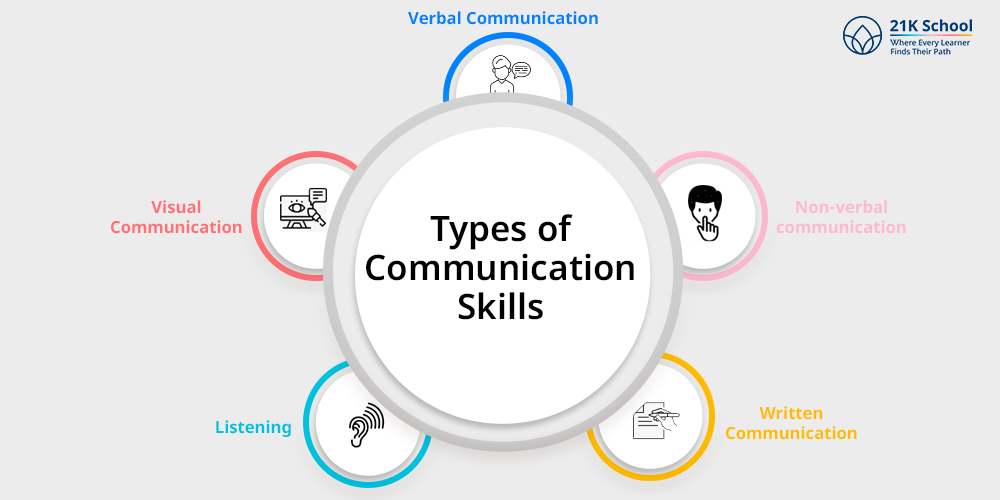
    What Are Communication Skills?

    Simply:

    Communication skills mean:

    • Saying your message clearly
    • Listening carefully to others
    • Speaking according to the situation
    • Respecting the person you are talking to

    We often think speaking is everything,
    But the truth is that half of communication is listening.

    Have you noticed?
    Sometimes someone says just a few words — and they touch your heart.
    And sometimes someone talks for a long time — and it means nothing.

    The difference is how they communicate.


    The Hidden Power of Communication

    Communication plays a role in almost every moment of life:

    • In job interviews
    • During misunderstandings between friends
    • In marriage and family life
    • In teamwork at the workplace
    • In business, while dealing with clients
    • In teaching and learning

    You may have a lot of knowledge,
    But if you cannot express it,
    People will never know your real talent.

    And some people know less,
    But they express it so well that everyone begins to admire them.

    That’s why sometimes
    A person with less knowledge succeeds more because of communication.


    Listening — The Heart of Communication

    We all like to talk.
    But listening… very few people actually learn how to do that.

    • When you truly listen, people trust you.
    • When you listen without judging, relationships grow.
    • When you listen to understand, not to reply, you become a real communicator.

    A good listener always becomes a better speaker.


    Confidence and Communication

    Many people want to speak but can’t.
    They are afraid that others will laugh, judge, or ignore them.

    This fear stops us from growing.

    To build confidence:

    • Speak slowly and calmly
    • Don’t try to sound perfect
    • Accept that mistakes are part of learning
    • Practice a little every day

    Remember:
    Nobody is perfect. Everyone is learning.
    You can learn too. Step by step.


    How to Improve Communication Skills

    It’s not difficult. Small changes can help a lot:

    1. Listen more, speak less
      Understand first, then respond.
    2. Choose your words carefully
      One wrong word can hurt someone deeply.
    3. Maintain eye contact
      It shows confidence and respect.
    4. Keep your tone gentle
      A harsh tone can spoil even the correct message.
    5. Practice daily
      Talk in front of a mirror, read books, speak softly with others.
    6. Never be embarrassed by mistakes
      Mistakes make you better.

    Conclusion

    Communication skills are not just a talent —
    They are a life-changing power.

    They make you:

    • a better friend,
    • a better partner,
    • a better student,
    • a better leader,
      and overall a better human being.

    Some people move ahead in life because they know how to connect with hearts.
    Others stay behind, not because they lack talent,
    but because they never learned how to express themselves.

    If you:

    • keep your tone soft,
    • Your words are clear,
    • your listening deep,
    • and respect in your attitude —

    Then communication won’t just be a skill —
    It will become your strength.