Category: education

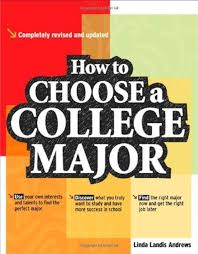
  • How to Choose the Right College Major

    Choosing a college major. It sounds simple, but it’s anything but. For many students, it’s one of the first big decisions that can shape their future career, lifestyle, and even personal happiness. Yet, it’s easy to feel overwhelmed. There are countless options, and each one seems to come with its own set of pros, cons, and uncertainties. So, how do you make the right choice? The key is thoughtful consideration, self-awareness, and research. Here’s a detailed guide to help you navigate this important decision.

    1. Understand Yourself

    Before looking at majors, start with introspection. Ask yourself: What subjects do I enjoy? What am I naturally good at? What kind of work makes me feel fulfilled?

    Some students are drawn to creativity, others to problem-solving, and some to helping people. Identifying your interests and strengths is the foundation for selecting a major that fits. Take personality tests, career assessments, or even online quizzes—they aren’t perfect, but they can give a starting point. Most importantly, reflect on what motivates you, not what seems popular or “practical.”

    2. Consider Your Career Goals

    While passion is important, it’s also essential to think about the future. Some majors lead directly to specific careers, while others are more flexible. For example, nursing or engineering has a clear career path, whereas psychology or sociology may require additional training or education for certain jobs.

    Ask yourself: What jobs am I interested in? What industries appeal to me? Look into average salaries, job growth, and employment opportunities for different fields. This doesn’t mean choosing a major just for money—but having realistic expectations helps avoid frustration later.

    3. Explore Majors Broadly

    Many students make the mistake of narrowing their focus too early. Don’t be afraid to explore a variety of subjects during your first year. Take introductory courses in different areas—science, arts, business, technology, social sciences—to see what resonates with you.

    Exploration helps uncover hidden passions and talents. You might think you want to major in business, only to discover a love for coding, graphic design, or biology. College is the perfect time to experiment, so take advantage of it.

    4. Research the Curriculum

    Once you have a list of potential majors, dig into the curriculum. Look at required courses, electives, and the general structure. Ask yourself: Do these classes excite me? Will I enjoy the daily work and assignments?

    Also, consider workload and skill requirements. Some majors are heavy on math or writing, while others focus on lab work, research, or hands-on projects. Understanding the demands of each major can help you avoid surprises and make an informed decision.

    5. Seek Advice from Others

    Talk to people who have experience. Professors, academic advisors, current students, alumni, and professionals in the field can provide valuable insights. They can share real-world experiences, challenges, and benefits of pursuing a specific major.

    Don’t just rely on online forums or social media opinions. First-hand advice helps you see the bigger picture and prepares you for both academic and career-related aspects of the major.

    6. Consider Your Learning Style

    Different majors cater to different learning styles. Do you prefer hands-on projects, research, lectures, or group work? Understanding how you learn best can help you choose a major that suits you.

    For example, engineering often involves problem-solving and labs, while philosophy requires extensive reading and critical thinking. Aligning your major with your learning style makes the college experience more enjoyable and effective.

    7. Think About Future Flexibility

    Some majors offer more flexibility than others. Fields like business, computer science, or communications can lead to a wide range of career paths. Others, like nursing, education, or architecture, may have more specialized routes.

    If you’re unsure about your exact career path, consider a major that keeps options open. Double majors or minors can also provide flexibility, allowing you to combine interests or add skills relevant to different industries.

    8. Reflect on Personal Values and Goals

    Your major should align with your personal values and long-term goals. Do you want to help others, create something new, or analyze complex problems? Some students prioritize job stability, while others focus on passion or societal impact.

    For example, someone passionate about sustainability may gravitate toward environmental science, while a person interested in social justice might lean toward sociology, political science, or law. Choosing a major aligned with your values increases motivation and satisfaction.

    9. Evaluate Job Market and Trends

    While passion is key, practicality matters too. Research the job market for each potential major. Which industries are growing? What skills are in demand? What’s the employment rate for graduates in that field?

    Don’t let this factor dominate your decision, but it’s smart to have awareness. You can pursue your passion while still making informed choices about employability and career prospects.

    10. Be Open to Change

    It’s okay to change your major. Many students do it multiple times before settling. College is a time of growth, exploration, and self-discovery. Don’t feel locked into your first choice.

    Switching majors might mean adjusting your graduation timeline, but it’s worth it if it leads to a better fit. The goal is not just a degree—it’s a degree in a field you are engaged with and excited about.

    Conclusion

    Choosing the right college major is a balance between interests, strengths, values, and future goals. Start by understanding yourself, exploring different subjects, and researching potential majors thoroughly. Seek advice, consider your learning style, and think about career flexibility and job trends. Most importantly, be willing to adapt and change as you learn more about yourself.

    Your major is important, but it doesn’t define your entire career or life. Many successful people work in fields unrelated to their degrees. What matters is gaining skills, experience, and passion along the way. By approaching the decision thoughtfully, you can choose a major that not only helps you graduate but also sets the foundation for a fulfilling future.

    College is not just about earning a degree—it’s about discovering who you are, what you love, and what you want to contribute to the world. Choosing the right major is the first step in that journey.
  • How to Write a Perfect Resume with No Experience

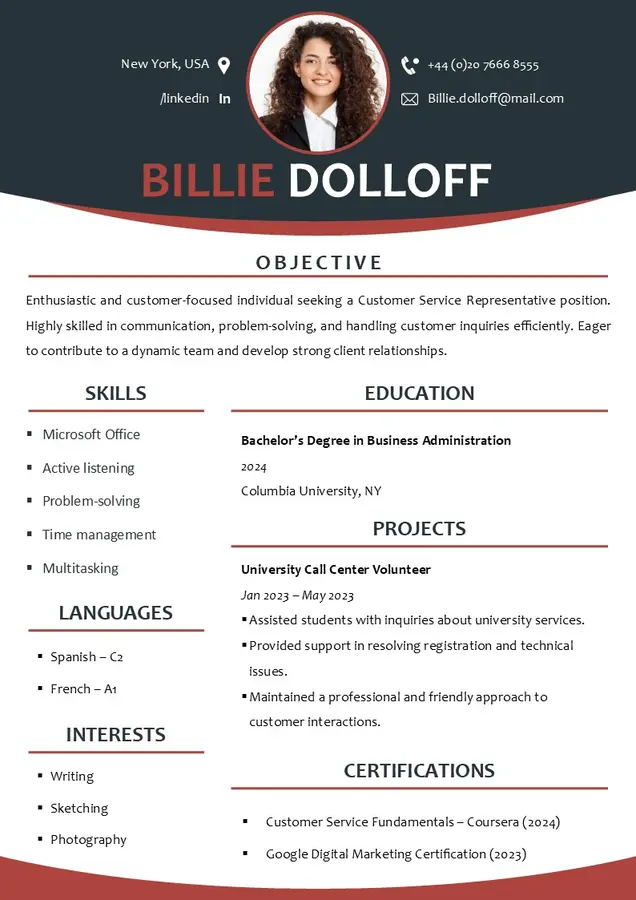
    Writing a resume can be intimidating, especially if you have no professional experience. You might feel like you have nothing to put on paper. But here’s the good news—everyone starts somewhere. Even if you haven’t held a formal job yet, you have skills, education, and experiences that matter. The key is knowing how to highlight them effectively. A strong resume without experience is about focusing on potential, achievements, and transferable skills. Here’s how you can craft one that stands out.

    1. Choose the Right Resume Format

    The first step is selecting a format that works for beginners. There are three main types of resumes:

    • Chronological: Lists work experience in order. Best for those with significant job history.
    • Functional: Focuses on skills and abilities rather than work experience. Perfect for people with little to no experience.
    • Combination: Mixes skills and experience. Useful if you have some experience but want to highlight skills.

    For someone with no experience, a functional resume is usually the best choice. It allows you to emphasize skills, education, and projects instead of work history.

    2. Start with a Strong Objective or Summary

    A resume objective or summary is your first impression. Even if you have no experience, a well-written objective shows ambition and clarity.

    Example:
    “Recent college graduate with strong communication and problem-solving skills seeking an entry-level marketing position to contribute creativity and enthusiasm to a dynamic team.”

    Keep it concise—2-3 sentences highlighting your strengths, goals, and what you can bring to the employer. Avoid vague statements like “I am hardworking”—be specific about your abilities.

    3. Highlight Education and Relevant Coursework

    If you lack professional experience, your education becomes a key section. List your degree, institution, and graduation date. Include honors, GPA (if strong), and relevant coursework.

    Example:
    Bachelor of Science in Computer Science
    University of XYZ | 2025
    Relevant Coursework: Web Development, Data Structures, Artificial Intelligence

    You can also include academic projects. For example, if you built a website or developed a small app, briefly describe it and the skills you used. Projects show initiative, technical skills, and practical application of knowledge.

    4. Focus on Skills and Transferable Abilities

    Employers look for skills, not just experience. Soft skills and transferable skills can make a huge difference. These include:

    • Communication
    • Teamwork
    • Problem-solving
    • Leadership
    • Time management
    • Creativity
    • Digital literacy

    Hard skills like Microsoft Office, coding languages, graphic design, or social media management should also be listed. Make sure to match your skills with the job description—this increases your chances of getting noticed.

    5. Include Volunteer Work and Extracurricular Activities

    No formal job? No problem. Volunteer work, internships, or participation in clubs can showcase your abilities and dedication.

    Example:
    Volunteer Tutor | Local Community Center | 2023

    • Assisted students in math and English
    • Developed lesson plans and study materials
    • Improved student engagement through interactive learning techniques

    Clubs, sports teams, or student organizations also demonstrate teamwork, leadership, and commitment. Include any roles where you took initiative or managed responsibilities.

    6. Add Internships or Short-Term Experiences

    Even short internships, part-time jobs, or freelance work count. Highlight responsibilities, achievements, and skills gained. Use action verbs like “organized,” “developed,” “managed,” or “created” to make your experiences sound impactful.

    Example:
    Social Media Intern | XYZ Startup | Summer 2024

    • Created content for Instagram and Facebook pages
    • Increased follower engagement by 20% through targeted posts
    • Assisted in marketing campaign strategy

    Numbers and results make your experience tangible—even if it was brief.

    7. Use Action Words and Quantify Achievements

    Action verbs give your resume energy and make it clear what you accomplished. Words like “developed,” “led,” “created,” “organized,” “designed,” and “implemented” are powerful.

    Quantifying achievements adds credibility. For example: “Tutored 15 students weekly, improving average test scores by 10%” sounds much stronger than “helped students with homework.” Numbers and metrics catch attention and demonstrate impact.

    8. Keep the Design Clean and Professional

    Even the best content can be ignored if the layout is messy. Keep your resume clean, professional, and easy to read. Use clear headings, bullet points, and consistent formatting. Avoid fancy fonts or bright colors—simplicity is key.

    Your resume should ideally fit on one page. Remember, recruiters spend only seconds scanning each resume. Make your most important information easy to find.

    9. Tailor Your Resume for Each Job

    One resume doesn’t fit all. Tailor your resume for each application. Highlight the skills, coursework, and experiences most relevant to the job. Use keywords from the job description.

    For example, if a position emphasizes teamwork and communication, prioritize examples where you demonstrated these skills. Customization increases the chances of passing through automated applicant tracking systems (ATS) and catching the recruiter’s eye.

    10. Proofread and Get Feedback

    Errors on a resume can leave a negative impression. Proofread carefully for spelling, grammar, and formatting mistakes. Ask a friend, mentor, or career counselor to review your resume. Fresh eyes can catch errors you might miss and suggest improvements.

    A polished resume shows attention to detail, professionalism, and seriousness about the application.

    Conclusion

    Writing a resume with no experience may seem daunting, but it’s entirely possible to create a strong, compelling document. Focus on your education, projects, volunteer work, skills, and any short-term experiences. Use action verbs, quantify your achievements, and tailor your resume to each job.

    Remember, employers aren’t just looking for a long work history—they’re looking for potential, enthusiasm, and the ability to learn. Your first resume is about showcasing these qualities in the best possible way.

    With preparation, clarity, and confidence, you can create a resume that opens doors, even without formal experience. Start early, keep improving, and treat each application as a step toward your career. Your first job may be around the corner—you just need the right resume to get there.

  • Soft Skills Every Student Should Learn Before Graduating

    Education is not just about grades, exams, and textbooks. Sure, academic knowledge is important, but in today’s world, soft skills are just as crucial—sometimes even more. Soft skills are those personal attributes that help you interact effectively with others, manage challenges, and navigate professional environments. They are the skills that can’t always be measured in marks but can make a huge difference in your career and life. Every student should focus on developing these skills before graduating, because they’re what help you stand out in a competitive world.

    1. Communication Skills

    The ability to communicate clearly and effectively is vital. This includes both written and verbal communication. You can have the best ideas in the world, but if you can’t express them, they won’t matter.

    Students should practice presenting their thoughts in class, writing clear assignments, or even participating in debates. Learning to listen actively is also part of communication—understanding others, asking the right questions, and responding thoughtfully. Good communication opens doors in interviews, team projects, and future workplaces.

    2. Teamwork and Collaboration

    No one works alone in the real world. Most projects, whether academic or professional, require collaboration. Learning how to work in a team, respect diverse opinions, and contribute effectively is crucial.

    Participate in group projects, clubs, or volunteer activities. Understand your strengths and weaknesses, and learn to complement others. Conflict is natural in teamwork, so developing problem-solving skills and empathy is also essential. Being a team player shows employers that you can work well with others, which is often more important than technical skills alone.

    3. Time Management

    Time management is more than just meeting deadlines. It’s about prioritizing tasks, avoiding procrastination, and using your time efficiently. Students who can plan their day, balance academics with extracurriculars, and stick to schedules tend to perform better academically and professionally.

    Practical tips include using planners, setting realistic goals, and breaking tasks into manageable chunks. Time management reduces stress, increases productivity, and builds discipline—skills that carry well into professional life.

    4. Adaptability and Flexibility

    The world is changing fast, and so are workplaces. Being adaptable means you can adjust to new situations, technologies, and challenges. Flexibility allows you to thrive even when things don’t go as planned.

    Students can develop adaptability by embracing change, taking on unfamiliar projects, or exploring new skills. Employers value candidates who can handle uncertainty, learn quickly, and stay productive under pressure. Adaptability ensures you remain relevant and resilient in any career path.

    5. Problem-Solving and Critical Thinking

    Problem-solving is about finding solutions, but critical thinking is about approaching problems logically and analytically. Together, they are essential for success.

    Students should practice analyzing situations, evaluating options, and making decisions. This can be done through case studies, academic projects, or even daily challenges. Being able to approach a problem creatively, think critically, and implement solutions shows maturity and competence—qualities highly sought after by employers.

    6. Emotional Intelligence (EQ)

    Emotional intelligence is the ability to recognize, understand, and manage your emotions, and also empathize with others. High EQ helps in handling stress, resolving conflicts, and building positive relationships.

    Students can develop EQ by being self-aware, practicing empathy, and reflecting on their reactions to different situations. Emotional intelligence helps in networking, leadership, teamwork, and customer relations. In short, it’s the skill that makes you human in professional environments.

    7. Leadership Skills

    Leadership isn’t just about being in charge—it’s about guiding, inspiring, and motivating others. Students can develop leadership skills by taking initiative, leading group projects, participating in clubs, or volunteering.

    Good leaders communicate effectively, listen to their team, make decisions confidently, and take responsibility for outcomes. Even if you’re not in a formal leadership role, showing leadership qualities demonstrates reliability, accountability, and vision.

    8. Networking Skills

    Networking is often overlooked, but it’s a powerful tool for career growth. Building connections with peers, professors, industry professionals, and mentors can open doors to internships, jobs, and collaborations.

    Students can develop networking skills by attending events, participating in workshops, and engaging with people online professionally, like on LinkedIn. Learning to maintain professional relationships, follow up politely, and communicate effectively can make a huge difference in your career opportunities.

    9. Work Ethic and Responsibility

    A strong work ethic is about commitment, reliability, and diligence. Employers want people who take responsibility for their tasks, meet deadlines, and go the extra mile when needed.

    Students can develop work ethic by being consistent in their studies, participating actively in projects, and taking accountability for mistakes. Demonstrating responsibility and integrity early sets a solid foundation for professional life.

    10. Digital Literacy

    Even soft skills now intersect with technology. Being digitally literate—comfortable using digital tools, managing online communication, and learning new technologies—is increasingly important.

    Students should familiarize themselves with productivity tools, basic data analysis, online collaboration platforms, and social media professionalism. Being digitally competent makes you adaptable, efficient, and ready for modern workplaces.

    Conclusion

    Academic achievements are important, but soft skills are what truly differentiate students in the real world. Communication, teamwork, time management, adaptability, problem-solving, emotional intelligence, leadership, networking, work ethic, and digital literacy are essential skills every student should develop before graduating.

    These skills don’t appear overnight—they require practice, reflection, and consistent effort. Participating in extracurricular activities, internships, volunteering, and group projects are great ways to build these abilities.

    In the end, employers aren’t just hiring degrees—they’re hiring people. People who can work well with others, handle challenges, learn continuously, and contribute meaningfully. By focusing on soft skills alongside academic knowledge, students prepare themselves not just for a job, but for lifelong success in any path they choose.

    Graduating with strong soft skills is like having a toolkit for life—one that will help you navigate careers, relationships, and challenges with confidence and competence.

  • Learn to Earn – Turning Knowledge into Prosperity

    Everyone wants a prosperous life — a life of stability, confidence, and comfort. But prosperity does not come through luck. It comes through knowledge, consistently applied. The idea of “Learn to Earn” means that learning is the foundation of financial growth.

    1. Knowledge Builds Earning Potential

    The more you learn, the more valuable you become. People are paid for the value they provide — and value comes from knowledge and skills.

    Whether it is technical skills, communication, sales, leadership, or creativity — learning increases your ability to contribute and earn.

    2. Application of Knowledge is the Key

    Knowledge alone is not enough. You must apply what you learn. For example, learning communication only matters if you start speaking confidently. Learning business matters only if you take practical steps. Learning investment matters only if you start investing, even small.

    Action turns learning into prosperity.

    3. Continuous Learning Keeps You Growing

    The world changes fast. New opportunities appear every day. When you keep learning, you stay ahead. When you stop learning, you fall behind.

    Make learning a daily habit — even 20 minutes a day.

    4. Learning Protects You From Failures

    When challenges come, knowledge gives you solutions. A knowledgeable person can rebuild even after loss. This is why knowledge is stronger than money — money can end, but knowledge helps you earn again.

    5. Using Knowledge to Create Opportunities

    Knowledge allows you to:

    • Start new income sources
    • Improve your current job growth
    • Make informed decisions
    • Build strong financial habits

    Prosperity comes from using knowledge to make wise, timely decisions.

    Conclusion

    “Learn to Earn” is not only a sentence — it is a principle for life.
    Knowledge creates ability. Ability creates income. Income creates prosperity.

    If you want to change your financial future, start learning today.

  • Financial Literacy Starts with Smart Learning

    Financial literacy means knowing how to use money wisely. It is not taught in most schools, yet it is one of the most important skills for life. Financial literacy is not about being rich — it is about being in control.

    Smart learning is the first step toward financial literacy. Smart learning means choosing to understand the world of money through daily practice, observation, and awareness — not just textbooks.

    1. Learning How Money Moves

    Money doesn’t stay still. It moves — from earning to spending to saving and investing. People who understand this movement make stronger decisions.

    Smart learning teaches you:

    • Where your money goes every month
    • How to track your expenses
    • How to plan ahead

    This creates a sense of clarity. When you know where your money is going, you gain power.

    2. Understanding Needs vs. Wants

    A financially wise person can clearly differentiate between needs and wants.
    Needs are essentials — food, shelter, education, healthcare.
    Wants are things we desire — new fashion, expensive gadgets, luxury items.

    Smart learning trains the mind to prioritize needs and control wants. This small discipline creates big long-term stability.

    3. Avoiding the Trap of Debt

    Debt is one of the biggest obstacles to financial progress. Many people take loans for lifestyle, not necessity. Smart learning teaches us to borrow only when important — and only what we can repay responsibly.

    Debt should be used like medicine — only when needed and in the right amount.

    4. Saving and Investing as a Routine

    Financial literacy encourages the habit of saving regularly. Even if the amount is small, consistency matters more than size.

    After saving becomes a habit, the next step is investing — where you allow money to grow through time and planning.

    5. Skills Increase Earning Power

    The more skills you develop, the more opportunities you create for yourself. Smart learning encourages continuous growth:

    • Communication skills
    • Digital skills
    • Professional knowledge
    • Practical problem-solving skills

    Skills give you independence.

    Conclusion

    Financial literacy is not complicated. It starts with smart learning. One step at a time. One habit at a time.

    When you learn smart, you live smart.

  • Empower Your Finances Through Better Education

    Money affects almost every part of our life. The food we eat, the house we live in, the opportunities we receive, and even the amount of peace we feel — all of these are influenced by our financial situation. Yet, despite money being so important, most of us never receive proper guidance on how to manage it. This is where better financial education becomes powerful. It empowers people to make wise choices, avoid unnecessary debt, and build a path to security and growth.

    Better education about money doesn’t mean complicated theories. It simply means learning the right habits, the right mindset, and the right approach toward spending, saving, and investing. Many people work hard every day, yet feel stuck financially because they have not learned how to handle their money. Education changes that.

    1. Understanding the Meaning of Financial Empowerment

    Financial empowerment means having control over your money instead of letting money control you. It means making decisions confidently and planning ahead for your future. When people lack financial education, they often:

    • Spend impulsively
    • Borrow without thinking
    • Save irregularly
    • Depend on luck instead of planning

    But when a person understands how money truly works, they develop confidence. They stop feeling scared of financial problems and instead learn how to solve them.

    2. Education Helps You Make Smarter Spending Choices

    Many people spend money emotionally — when they feel stressed, bored, or influenced by others. But financial education teaches us that not every desire needs to be fulfilled immediately.

    Before spending, financially educated people ask:

    • Do I really need this?
    • Is this worth the cost?
    • Is this improving my life or just my image?

    This simple thinking saves thousands over time.

    3. Saving Is Not About Sacrifice — It’s About Stability

    Saving money is often misunderstood. Some think saving means limiting happiness. But in reality, saving is about securing future happiness. Even small savings each month build a safety net. When emergencies come, savings protect us from stress and debt.

    Saving also teaches patience and discipline. It reminds us that every financial decision has a long-term effect.

    4. Growth Comes from Investing

    Saving keeps your money safe — but investing helps your money grow. Investment does not always mean big risks. Sometimes it means investing in:

    • Learning new skills
    • Taking small business steps
    • Setting up long-term savings plans
    • Buying assets that increase in value

    Investment is a slow process, but over time, it creates steady, reliable financial growth.

    5. Financial Education Promotes Independence

    When a person understands money, they do not depend on others to make their decisions. They can support their family, build their dreams, and handle challenges confidently. Education replaces fear with freedom.

    Conclusion

    Better financial education is not a luxury — it is a necessity. It empowers people to manage money with clarity and wisdom. It turns confusion into confidence and stress into stability.

    In simple words:
    When your financial knowledge grows, your financial life grows.

  • Learn, Save, and Grow – Financial Wisdom for All

    Money is an important part of life. It affects where we live, what we eat, what we wear, and the opportunities we get. But many people struggle with money not because they don’t earn, but because they don’t know how to manage it. This is where financial wisdom becomes valuable. Financial wisdom means understanding how to earn, save, and grow money smartly and responsibly.

    The good news is:
    Anyone can learn financial wisdom — students, workers, business owners, and even beginners. It is not about being rich; it is about making good decisions with the money you have.

    1. Learning Comes First

    Before earning or saving, you must learn.
    Learning is the foundation of financial growth.

    Learn things like:

    • How money works
    • How to create a budget
    • How to avoid debt
    • How to grow income
    • How to invest safely

    Knowledge gives you clarity.
    When you learn, you understand which decisions are right and which can harm your future.

    Learning doesn’t need expensive courses.
    It begins by:

    • Observing people who manage money well
    • Reading simple guides
    • Watching educational videos
    • Asking questions
    • Gaining awareness

    Knowledge is your first investment — and it pays the highest return.

    2. Saving Builds Security

    Saving money is not just for emergencies.
    Saving develops:

    • Discipline
    • Confidence
    • Future planning

    Even if you earn a small amount, saving a little part of it every time creates financial stability.

    A simple rule:

    Earn → Save First → Spend After

    Most people do the opposite:

    Earn → Spend → And Nothing Left to Save

    Saving is not about restricting your life.
    It is about preparing for your future with stability and peace.

    3. Grow Your Money — Don’t Let It Stay Idle

    Money that just sits still will eventually lose value because prices increase with time.
    To grow financially, your money must work for you.

    Growth happens when you:

    • Learn new skills to increase your earning
    • Invest small amounts regularly
    • Build additional income sources
    • Start side projects or small businesses
    • Gain financial experience

    Growth is slow at first — but it becomes powerful over time.

    Small efforts repeated daily create big results later.

    4. Avoid Emotional Spending

    Many people buy things not because they need them, but because they feel like it.

    Emotional spending leads to:

    • Empty wallets
    • Stress
    • Regret
    • Debt

    Financial wisdom teaches patience.
    Ask yourself:

    • Do I need this, or just want it?
    • Will this matter after a week?
    • Is this helping my growth or just showing off?

    Wise spending protects your future.

    5. Learn from Mistakes — Yours and Others’

    Everyone has made at least one bad money decision.
    That’s okay — as long as you learn from it.

    But the smarter way is to learn from others’ mistakes too.
    Observe people who struggle financially — you will notice:

    • lack of planning,
    • no saving habits,
    • emotional spending,
    • no investment mindset.

    Learning from others gives you wisdom without experiencing the pain yourself.

    6. Financial Wisdom is for Everyone

    Financial wisdom has nothing to do with:

    • Age
    • Background
    • Education
    • Income level

    Whether you earn a little or a lot — the principles remain the same:
    Learn → Save → Grow

    Anyone who practices these simple habits becomes financially stronger over time.

    Conclusion

    Financial wisdom is not about earning a huge income.
    It’s about managing whatever you earn with intelligence and purpose.

    To live a stable, confident, and growth-oriented life:

    • Learn how money works
    • Save a part of what you earn
    • Grow your money through smart choices

    In simple words:

    The more you learn, the better you save.
    The better you save, the stronger you grow.

    This wisdom can guide anyone — anywhere, anytime — toward a future of financial peace and independence.

  • Financial Education – The Path to Independence

    Everyone wants to live a free and comfortable life — a life where we don’t constantly worry about bills, expenses, or the future. But many people struggle financially, not because they don’t work hard, but because they never learned how money works.
    This is where financial education becomes important.

    Financial education is the understanding of earning, spending, saving, investing, and managing money wisely. It doesn’t require high degrees or complex math. It requires awareness, discipline, and the willingness to learn.

    Financial education is the road that leads a person from dependence to independence.

    1. Why Financial Education Matters

    In school, we learn subjects like history, grammar, science, and math.
    But we are rarely taught:

    • How to budget money
    • How to avoid debt
    • How to invest
    • How to grow income
    • How to make smart financial choices

    So when real life begins, many people feel lost.
    They earn money, but don’t know how to manage it.
    This is why financial education is not just important — it is essential.

    2. Independence Begins with Understanding Money

    Money is not just something to spend.
    It is a resource that needs to be managed.

    Understanding money means knowing:

    • Where it comes from
    • Where it goes
    • How to use it wisely

    When you manage money well, you gain control over your life.
    And control is the first step toward independence.

    3. Smart Spending Builds Stability

    Financial independence doesn’t come from earning a lot.
    It comes from spending wisely.

    A simple rule:

    Spend less than you earn.

    People who control their spending:

    • Save more
    • Stress less
    • And build stronger futures

    It’s not about being cheap — it’s about being responsible.

    4. Saving Is the Safety Net

    Life is unpredictable.
    Emergencies come without warning.
    Savings protect you during tough times.

    Even small savings made regularly can grow into strong support.

    Saving is not only about money —
    it is about discipline and future planning.

    5. Investing Creates Growth

    Saving preserves your money.
    But investing multiplies it.

    Investment doesn’t always mean big business or large amounts.
    It can start small:

    • Investing in your skills
    • Investing in courses
    • Investing in small savings plans
    • Investing in long-term financial tools

    When your money starts growing by itself, you start becoming financially independent.

    6. Multiple Income Streams Add Strength

    Depending on one income source is risky.
    If that income stops, life becomes difficult.

    Financial education teaches you to build:

    • Part-time income
    • Online income
    • Skill-based income
    • Small business income

    More income sources = more security + more growth.

    7. Independence Is Also a Mindset

    Financial freedom is not just about money —
    it is about how you think.

    If your mindset is:

    • disciplined,
    • patient,
    • and growth-focused,

    then wealth will stay with you.

    But if your mindset is:

    • careless,
    • emotional,
    • and show-off based,

    then no amount of income will be enough.

    Independence starts in the mind.

    Conclusion

    Financial education is not something only rich people need.
    It is something every person should learn.

    It teaches us how to:

    • Earn smartly,
    • Spend wisely,
    • Save consistently,
    • Invest confidently,
    • And build a secure future.

    Financial independence means having the freedom to live life on your own terms — without fear, without pressure, without dependency.

    In simple words:

    If you learn how to manage money,
    you learn how to manage life.

  • Money Lessons Every Learner Should Understand

    Money plays an important role in everyone’s life. Whether you are a student, a worker, or a business person, you need money to survive, grow, and live comfortably. But many people struggle with money because they never learn how to manage it. Schools teach us many subjects, but real money lessons often come from experience and awareness.
    Understanding money early in life helps us avoid stress later and builds a foundation for financial success.

    Here are some important money lessons every learner should understand:

    1. Money Comes from Value, Not Just Hard Work

    Hard work is important, but it is not enough.
    You get paid based on the value you provide.

    If you improve your:

    • skills,
    • knowledge,
    • creativity,
    • and communication,

    your value increases — and so does your income.

    So instead of only working harder, learn how to work smarter.


    2. Always Spend Less Than You Earn

    Many people earn money, but still remain broke because they spend too much.
    Financial strength begins when you control your spending.

    A simple rule is:

    Income > Expenses = Stability

    Expenses > Income = Stress

    Buy what you need, not everything you desire.

    This is the first step towards financial independence.

    3. Saving Is Not Only for the Future — It Builds Discipline

    Saving teaches:

    • patience,
    • planning,
    • responsibility.

    Even saving small amounts regularly builds a habit.
    Over time, these small amounts turn into meaningful support during emergencies and opportunities.

    Money saved is money that helps you stay confident.

    4. Learn to Invest, Not Just Save

    Saving protects you.
    But investing grows you.

    Investment means using your money in a way that it increases by itself — slowly, steadily, and safely.

    You can invest in:

    • Skills
    • Courses
    • Small business ideas
    • Books
    • Bank saving schemes
    • Investments like mutual funds (if understood properly)

    When your money starts earning money, that’s where growth begins.

    5. Avoid Debt Unless Truly Necessary

    Borrowing money without planning leads to stress.
    Many people get trapped in loans because they spend emotionally.

    Before borrowing, always ask:

    • Can I live without this purchase?
    • Can I pay it back on time?
    • Is this increasing my value or just my lifestyle?

    Good debt grows your future.
    Bad debt destroys your future.

    6. Build Multiple Sources of Income

    Relying on only one income source can be risky.
    If it stops, life becomes unstable.

    Learning different skills helps you:

    • earn part-time income,
    • freelancing income,
    • business income,
    • or online income.

    Multiple income streams = more stability + more confidence.

    7. Never Stop Learning About Money

    The world of money keeps changing.
    New opportunities come every day.

    If you keep learning about:

    • business trends,
    • smart spending,
    • investment strategies,
    • and financial planning,

    you will always be ahead.

    Money grows where knowledge grows.

    8. Your Mindset Matters More Than Your Income

    Some people earn less yet live peacefully.
    Some earn more yet live stressed.

    The difference is mindset.

    If your mindset is:

    • simple,
    • disciplined,
    • growth-focused,

    money will flow and stay with you.

    But if your mindset is:

    • jealous,
    • careless,
    • show-off based,

    money will come and go quickly.

    Wealth begins in your mind before it appears in your hands.

    Conclusion

    Money is not just paper or numbers.
    It is a tool that helps you build a stable, meaningful life.

    Every learner should understand that:

    • Knowledge creates earning power.
    • Discipline protects savings.
    • Investment creates growth.
    • And good habits create lifelong financial peace.

    In simple words:

    If you learn to control your money,
    your money will never control you.

  • Knowledge Is the Real Investment for Wealth

    When we talk about wealth, most people think of money, gold, property, business, or expensive things. But the truth is, the real foundation of wealth is knowledge. Money can be lost, but knowledge never leaves you. Money can decrease, but knowledge can always create more money when used correctly.

    Knowledge is a long-term investment — one that grows with time and gives lifelong benefits.

    1. Knowledge Creates Opportunities

    Knowledge opens doors.
    A person who learns new skills and understands how the world works has more opportunities than someone who does not.

    For example:

    • A person who knows how to communicate well can build strong relationships.
    • A person who learns digital or technical skills can find better jobs or work online.
    • A person who understands market trends can make smarter financial decisions.

    So, knowledge is not just information —
    it is the ability to see chances and use them wisely.

    2. Money Without Knowledge Is Temporary

    Some people earn a lot of money quickly — but lose it just as fast.
    Why?
    Because they did not understand how to manage it.

    Without knowledge:

    • Money gets wasted on unnecessary things.
    • People fall into debt easily.
    • Wrong financial decisions destroy savings.

    But with knowledge:

    • A person learns to budget.
    • Spend wisely.
    • Save consistently.
    • Invest smartly.

    So money without knowledge is unstable,
    while knowledge keeps money safe and growing.

    3. Knowledge Helps You Make Smarter Financial Decisions

    When you understand money, your decisions become stronger.

    Knowledge teaches:

    • How to avoid emotional spending
    • How to separate needs from wants
    • How to invest small amounts wisely
    • How to build multiple income sources

    A person with knowledge is not afraid of financial challenges —
    they know how to handle them.

    4. Knowledge Builds Confidence

    Real confidence comes from knowing what you are doing.

    When you learn:

    • How business works,
    • How the economy moves,
    • How to save and grow money,

    you feel in control of your future.

    And when your mind is confident,
    your actions become more powerful.

    5. Knowledge Is Something No One Can Take Away

    Money can be stolen.
    Jobs can be lost.
    Markets can fall.

    But knowledge stays with you wherever you go.

    If a knowledgeable person loses everything,
    they can build it again
    — because they know how to build.

    This is why knowledge is the most secure form of wealth.

    6. Keep Learning — Growth Never Stops

    The world is always changing.
    New skills come, new technologies rise, new opportunities appear.

    The people who keep learning become successful.
    The people who stop learning fall behind.

    Learning is a lifelong journey — not a one-time task.

    The more you learn, the more you grow.
    The more you grow, the more you earn.

    Conclusion

    Wealth does not begin in your bank account.
    It begins in your mind.

    Knowledge is the real investment because:

    • It creates opportunities.
    • It protects your money.
    • It builds confidence.
    • It cannot be taken away.
    • And it grows throughout your life.

    In simple words:

    If you want to build wealth,
    start by building your mind.

    Because when your knowledge becomes strong,
    your future becomes strong too.