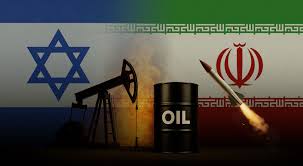
Global oil markets have experienced significant volatility as crude oil prices approach the $100-per-barrel mark. The recent increase has been driven primarily by geopolitical tensions in the Middle East, concerns over supply disruptions, and uncertainty surrounding future energy production. Economists and policymakers worldwide are closely monitoring the situation because rising oil prices can have widespread consequences for businesses, consumers, and national economies.
Oil remains one of the most important commodities in the global economy. It fuels transportation systems, powers industries, and serves as a key component in manufacturing processes. As a result, any major change in oil prices can affect nearly every sector of economic activity.
One of the primary reasons behind the recent price surge is concern about the Strait of Hormuz, a strategically important waterway through which a substantial portion of the world’s oil supply passes. Any disruption to shipping in this region could significantly impact global energy markets and reduce the availability of crude oil.
Investors often react quickly to geopolitical risks. Even the possibility of future supply disruptions can drive prices higher as traders anticipate shortages. This phenomenon has contributed to the recent upward movement in oil prices despite stable production levels in some regions.
Higher oil prices can create challenges for consumers. Transportation costs typically increase when fuel becomes more expensive, leading to higher prices for goods and services. Airlines, shipping companies, and logistics providers often pass additional costs on to customers, contributing to inflationary pressures.
Central banks are paying close attention to these developments. Many countries have spent recent years attempting to control inflation and stabilize economic growth. A sustained rise in energy prices could complicate these efforts by increasing production costs and reducing consumer purchasing power.
Developing countries may face particular difficulties. Many emerging economies rely heavily on imported energy and are more vulnerable to price fluctuations. Rising fuel costs can strain government budgets and increase economic uncertainty.
Despite these concerns, some energy-producing nations may benefit from higher prices. Countries that export large quantities of oil often experience increased revenues during periods of elevated energy prices. These additional revenues can support public spending and economic development initiatives.
Energy experts emphasize that diversification remains an important long-term strategy. Investments in renewable energy sources such as solar, wind, and hydroelectric power can help reduce dependence on fossil fuels and improve energy security. Many governments continue to expand clean energy programs as part of broader sustainability goals.
The future direction of oil prices will depend on several factors, including geopolitical developments, production decisions by major exporters, and global economic growth. If tensions ease and supply remains stable, prices could moderate. However, continued uncertainty may keep markets under pressure.
In conclusion, the recent surge in oil prices highlights the interconnected nature of global energy markets and geopolitics. As governments, businesses, and consumers adapt to changing conditions, the importance of energy security and economic resilience continues to grow.