Author: admin

  • How to Write an Impressive College Essay

    Writing a college essay. It sounds simple—just a few hundred words about yourself—but in reality, it’s one of the most important parts of your application. Colleges don’t just look at grades or test scores anymore. They want to see your personality, your story, and your ability to communicate effectively. An impressive essay can make a huge difference, helping you stand out from hundreds or even thousands of applicants. But how do you write one that’s memorable, authentic, and persuasive? Here’s an in-depth guide.

    1. Understand the Purpose of the Essay

    Before you even start writing, it’s important to understand why colleges ask for essays. They want to get to know the person behind the grades. Essays reveal:

    • Who you are as a person
    • Your interests and passions
    • How you think and solve problems
    • Your communication skills
    • What you can contribute to the college community

    Understanding this purpose helps you focus on content that matters. Your essay isn’t just a summary of achievements—it’s a story that shows who you are and why you belong.

    2. Start Early

    Procrastination is your worst enemy. Good essays take time to brainstorm, draft, revise, and polish. Starting early gives you room to reflect, make mistakes, and improve.

    Set a timeline. Give yourself at least a few weeks before the deadline. This way, you can write, step away, revisit with fresh eyes, and get feedback from teachers, mentors, or friends. Rushing often leads to clichés, weak arguments, or grammatical errors.

    3. Choose the Right Topic

    The topic can make or break your essay. Many colleges provide prompts, while others let you write freely. Whatever the case, choose a topic that:

    • Reflects your personality
    • Highlights your strengths or growth
    • Shows self-awareness or resilience
    • Offers a unique perspective

    Avoid generic topics like “I love helping people” unless you can tell a really personal story. The key is specificity. Instead of writing about volunteering in general, describe a meaningful experience, what you learned, and how it changed you.

    4. Be Authentic

    Authenticity is everything. Admissions officers can tell when you’re exaggerating, using clichés, or writing what you think they want to hear. Be honest. Share your true experiences, thoughts, and feelings—even if they’re imperfect.

    It’s okay to write about struggles, failures, or challenges. What matters is showing how you handled them, what you learned, and how you grew. Real stories resonate more than perfect, polished but generic essays.

    5. Start with a Strong Hook

    The first few lines of your essay matter. You want to grab the reader’s attention immediately. Start with:

    • An interesting anecdote
    • A surprising fact
    • A personal reflection
    • A vivid description

    For example, instead of “I have always loved reading,” you could start with a scene: “I was hiding under my blanket with a flashlight, reading my third mystery novel of the week, completely absorbed in the world of detectives and secrets.”

    A strong opening makes the reader want to continue and sets the tone for your essay.

    6. Show, Don’t Just Tell

    Instead of saying “I am hardworking,” show it through examples. Use stories, anecdotes, or experiences that demonstrate your qualities.

    Example:
    Instead of: “I am a determined person,”
    Write: “When our robotics project failed the first time, I spent nights redesigning the circuits, testing each component repeatedly until our robot finally completed the challenge.”

    This approach makes your essay more engaging, concrete, and memorable.

    7. Focus on Structure

    A good essay has a clear structure:

    • Introduction: Hook the reader and introduce the topic
    • Body: Develop your story or argument with examples, reflections, and insights
    • Conclusion: Tie everything together, reflect on your growth, and show what you bring to the college

    Avoid jumping randomly between ideas. Each paragraph should flow logically to the next. Cohesion and clarity are key to readability.

    8. Highlight Personal Growth

    Colleges want to see growth and self-awareness. Don’t just list achievements. Reflect on what you learned, how you changed, or how you developed skills.

    For example, writing about a leadership role is great—but also explain how it challenged you, taught you responsibility, or changed your perspective. Reflection adds depth and makes your essay stand out.

    9. Keep It Clear and Concise

    Admissions officers read hundreds of essays. Clarity is crucial. Avoid overly complicated sentences or big words just to sound impressive. Use simple, direct language that communicates your ideas effectively.

    Stick to the word limit. Overlong essays can seem unfocused or disrespectful of guidelines. Every word should serve a purpose.

    10. Edit, Revise, and Seek Feedback

    Your first draft is rarely perfect. Revising is essential. Check for:

    • Grammar and spelling errors
    • Awkward sentences or unclear ideas
    • Repetition or redundancy
    • Tone and voice consistency

    Seek feedback from teachers, mentors, or trusted friends. Others can spot weaknesses or suggest improvements you might miss. Take suggestions seriously but stay true to your voice.

    11. End Strong

    Your conclusion is your last impression. End with a reflection, insight, or statement that ties back to your main message. Avoid generic endings like “I hope to attend your college.” Instead, leave the reader with a lasting image, thought, or sense of your personality.

    Example: “Through countless nights of trial and error, I learned that persistence isn’t about never failing—it’s about trying again, each time smarter and more determined. I’m ready to bring that mindset to every challenge college throws my way.”

    Conclusion

    Writing an impressive college essay is both an art and a strategy. Start early, choose a meaningful topic, and be authentic. Use strong openings, concrete examples, and personal reflection to engage the reader. Structure your essay clearly, show growth, and keep your writing concise. Finally, revise carefully and seek feedback.

    Remember, the essay is your chance to show who you are beyond grades and test scores. It’s your story, your voice, and your personality on paper. Approach it thoughtfully, put in the effort, and don’t be afraid to be yourself. A strong essay doesn’t just impress—it connects, resonates, and leaves a lasting impression on admissions officers.

    With preparation, creativity, and reflection, your essay can be a powerful tool to showcase your potential and earn a spot at your dream college.

  • Scholarships 101: How to Find and Apply

    College is expensive. We all know that. Tuition, books, living expenses—it adds up fast. That’s where scholarships come in. Scholarships can cover part or even all of your expenses, and the best part—they don’t need to be paid back. But finding them and actually getting them? That’s a whole different story. It can feel overwhelming at first. There are thousands of scholarships out there, each with its own requirements, deadlines, and criteria. The key is knowing where to look, how to organize, and how to present yourself effectively. Here’s a comprehensive guide to help you find and apply for scholarships successfully.

    1. Start Early

    If there’s one piece of advice that really matters, it’s this: start early. Some scholarships have deadlines months—even a year—before the academic year starts. Waiting until the last minute reduces your chances and increases stress.

    Make a schedule, track deadlines, and start gathering materials as early as possible. Early preparation gives you time to polish essays, get recommendation letters, and organize documents.

    2. Identify Your Eligibility

    Not every scholarship is open to everyone. Some are need-based, meaning they’re awarded to students from low-income families. Others are merit-based, given for academic achievements, athletic skills, or extracurricular involvement. Some focus on specific fields, communities, or personal characteristics.

    Before you spend time applying, make a list of scholarships you’re eligible for. This saves time and increases your chances. Look at criteria like GPA, standardized test scores, field of study, extracurriculars, community service, ethnicity, or geographic location.

    3. Use Scholarship Search Engines and Websites

    There are countless websites dedicated to helping students find scholarships. Some of the most reliable include:

    • Fastweb – Allows you to create a profile and matches scholarships based on your information.
    • Scholarships.com – Large database with filters for interests, majors, and eligibility.
    • Cappex – Offers scholarship search and college reviews.
    • Chegg Scholarships – Easy-to-use platform with a variety of awards.
    • College Board – Includes scholarships, programs, and internships.

    Using multiple sources increases the number of opportunities you’ll find. Be careful about scams—legitimate scholarships will never ask for money to apply.

    4. Ask Your School or College

    Don’t forget local opportunities. High school counselors, college financial aid offices, and community organizations often have information about scholarships that aren’t widely advertised online.

    Local scholarships are sometimes less competitive than national ones because the pool of applicants is smaller. Even small awards help, and they often stack with other scholarships to reduce your overall costs.

    5. Prepare Your Documents in Advance

    Most scholarships require documents like transcripts, recommendation letters, proof of eligibility, and essays. Having these ready in advance makes the application process smoother.

    • Transcripts: Request them early from your school or college.
    • Letters of Recommendation: Ask teachers, mentors, or employers who know you well. Give them plenty of notice and provide context for the scholarship.
    • Essays: Start drafts early. Many scholarships require personal statements or essays about your goals, achievements, or experiences.

    Having everything organized in folders—digital and physical—reduces last-minute panic and errors.

    6. Write a Strong Essay

    Essays are often the most important part of a scholarship application. They show your personality, goals, and why you deserve the award. A good essay is:

    • Clear and concise: Avoid rambling; stay on topic.
    • Personal: Share real experiences, challenges, or successes.
    • Well-structured: Have an introduction, body, and conclusion.
    • Proofread: Errors can make a bad impression.

    Tailor each essay to the scholarship. Generic essays rarely stand out. Address the organization’s mission or values and explain how you align with them.

    7. Highlight Achievements and Skills

    Even without perfect grades, you can stand out by emphasizing achievements outside the classroom. Sports, volunteering, leadership roles, artistic accomplishments, or part-time work all count.

    Use specific examples rather than vague statements. For example, instead of “I am hardworking,” say “I volunteered 150 hours at the local animal shelter, organizing fundraising events and managing social media campaigns.” Numbers and details make your accomplishments tangible.

    8. Meet All Requirements and Follow Instructions

    This sounds obvious, but many applications are rejected because applicants missed a detail. Read the instructions carefully, and make sure you meet all requirements. Submit all requested documents, follow formatting guidelines, and adhere to word limits.

    Double-check everything before submitting. Missing deadlines or ignoring instructions can eliminate you instantly, regardless of your qualifications.

    9. Apply to Multiple Scholarships

    Don’t put all your eggs in one basket. Apply to as many scholarships as you can reasonably manage. Small awards add up, and your chances increase with the number of applications.

    Keep a spreadsheet or tracker with deadlines, requirements, and status updates. Staying organized helps ensure nothing slips through the cracks.

    10. Stay Persistent and Positive

    Rejection is part of the process. Even highly qualified students get rejected. Don’t get discouraged. Each application is practice, helping you improve essays, presentations, and approach.

    Celebrate each success, no matter the size. Even smaller scholarships reduce financial stress and boost your resume. Persistence is key—don’t stop applying.

    Conclusion

    Scholarships are a fantastic way to make higher education more affordable. Finding and applying for them requires strategy, organization, and effort—but the payoff can be huge. Start early, identify eligibility, use search engines, consult your school, prepare documents, and write strong, tailored essays. Apply to multiple scholarships and stay organized.

    Remember, scholarships aren’t just about grades—they’re about your story, your achievements, and your potential. Approach applications thoughtfully, showcase your unique strengths, and stay persistent. With diligence and preparation, you can significantly reduce college costs and open doors to educational opportunities that might otherwise seem out of reach.

    Scholarships aren’t just free money—they’re investments in your future. The effort you put in now can pay off for years to come. Start today, plan wisely, and take full advantage of the resources available to you.

  • How to Choose the Right College Major

    Choosing a college major. It sounds simple, but it’s anything but. For many students, it’s one of the first big decisions that can shape their future career, lifestyle, and even personal happiness. Yet, it’s easy to feel overwhelmed. There are countless options, and each one seems to come with its own set of pros, cons, and uncertainties. So, how do you make the right choice? The key is thoughtful consideration, self-awareness, and research. Here’s a detailed guide to help you navigate this important decision.

    1. Understand Yourself

    Before looking at majors, start with introspection. Ask yourself: What subjects do I enjoy? What am I naturally good at? What kind of work makes me feel fulfilled?

    Some students are drawn to creativity, others to problem-solving, and some to helping people. Identifying your interests and strengths is the foundation for selecting a major that fits. Take personality tests, career assessments, or even online quizzes—they aren’t perfect, but they can give a starting point. Most importantly, reflect on what motivates you, not what seems popular or “practical.”

    2. Consider Your Career Goals

    While passion is important, it’s also essential to think about the future. Some majors lead directly to specific careers, while others are more flexible. For example, nursing or engineering has a clear career path, whereas psychology or sociology may require additional training or education for certain jobs.

    Ask yourself: What jobs am I interested in? What industries appeal to me? Look into average salaries, job growth, and employment opportunities for different fields. This doesn’t mean choosing a major just for money—but having realistic expectations helps avoid frustration later.

    3. Explore Majors Broadly

    Many students make the mistake of narrowing their focus too early. Don’t be afraid to explore a variety of subjects during your first year. Take introductory courses in different areas—science, arts, business, technology, social sciences—to see what resonates with you.

    Exploration helps uncover hidden passions and talents. You might think you want to major in business, only to discover a love for coding, graphic design, or biology. College is the perfect time to experiment, so take advantage of it.

    4. Research the Curriculum

    Once you have a list of potential majors, dig into the curriculum. Look at required courses, electives, and the general structure. Ask yourself: Do these classes excite me? Will I enjoy the daily work and assignments?

    Also, consider workload and skill requirements. Some majors are heavy on math or writing, while others focus on lab work, research, or hands-on projects. Understanding the demands of each major can help you avoid surprises and make an informed decision.

    5. Seek Advice from Others

    Talk to people who have experience. Professors, academic advisors, current students, alumni, and professionals in the field can provide valuable insights. They can share real-world experiences, challenges, and benefits of pursuing a specific major.

    Don’t just rely on online forums or social media opinions. First-hand advice helps you see the bigger picture and prepares you for both academic and career-related aspects of the major.

    6. Consider Your Learning Style

    Different majors cater to different learning styles. Do you prefer hands-on projects, research, lectures, or group work? Understanding how you learn best can help you choose a major that suits you.

    For example, engineering often involves problem-solving and labs, while philosophy requires extensive reading and critical thinking. Aligning your major with your learning style makes the college experience more enjoyable and effective.

    7. Think About Future Flexibility

    Some majors offer more flexibility than others. Fields like business, computer science, or communications can lead to a wide range of career paths. Others, like nursing, education, or architecture, may have more specialized routes.

    If you’re unsure about your exact career path, consider a major that keeps options open. Double majors or minors can also provide flexibility, allowing you to combine interests or add skills relevant to different industries.

    8. Reflect on Personal Values and Goals

    Your major should align with your personal values and long-term goals. Do you want to help others, create something new, or analyze complex problems? Some students prioritize job stability, while others focus on passion or societal impact.

    For example, someone passionate about sustainability may gravitate toward environmental science, while a person interested in social justice might lean toward sociology, political science, or law. Choosing a major aligned with your values increases motivation and satisfaction.

    9. Evaluate Job Market and Trends

    While passion is key, practicality matters too. Research the job market for each potential major. Which industries are growing? What skills are in demand? What’s the employment rate for graduates in that field?

    Don’t let this factor dominate your decision, but it’s smart to have awareness. You can pursue your passion while still making informed choices about employability and career prospects.

    10. Be Open to Change

    It’s okay to change your major. Many students do it multiple times before settling. College is a time of growth, exploration, and self-discovery. Don’t feel locked into your first choice.

    Switching majors might mean adjusting your graduation timeline, but it’s worth it if it leads to a better fit. The goal is not just a degree—it’s a degree in a field you are engaged with and excited about.

    Conclusion

    Choosing the right college major is a balance between interests, strengths, values, and future goals. Start by understanding yourself, exploring different subjects, and researching potential majors thoroughly. Seek advice, consider your learning style, and think about career flexibility and job trends. Most importantly, be willing to adapt and change as you learn more about yourself.

    Your major is important, but it doesn’t define your entire career or life. Many successful people work in fields unrelated to their degrees. What matters is gaining skills, experience, and passion along the way. By approaching the decision thoughtfully, you can choose a major that not only helps you graduate but also sets the foundation for a fulfilling future.

    College is not just about earning a degree—it’s about discovering who you are, what you love, and what you want to contribute to the world. Choosing the right major is the first step in that journey.

  • Best Websites to Learn Coding for Free

    Coding. It’s no longer just for computer scientists. From building apps to automating tasks, learning to code is becoming an essential skill in today’s world. But getting started can feel overwhelming, especially if you’re on a budget. Luckily, there are tons of websites that let you learn coding for free, without expensive courses or textbooks. The key is knowing which platforms actually provide value and structured learning. Here’s an in-depth look at some of the best websites to learn coding for free and how they can help beginners and even intermediate learners.

    1. Codecademy

    Codecademy is one of the most popular platforms for beginners. It offers interactive lessons in multiple programming languages like Python, JavaScript, HTML/CSS, SQL, and more.

    What’s great about Codecademy is its hands-on approach. Instead of just reading theory, you’re writing code directly in your browser. This practical experience is crucial because coding is learned by doing, not just watching videos.

    The free version includes basic courses that are more than enough to get started. However, if you want projects, quizzes, or certificates, there’s a paid “Pro” plan. But even the free content can help you build a solid foundation.

    2. freeCodeCamp

    freeCodeCamp is a treasure for self-learners. It’s completely free, offers structured curricula, and has a huge community. You can learn web development, data structures, algorithms, JavaScript, React, Python, and more.

    The platform emphasizes hands-on projects. After completing lessons, you work on coding projects that simulate real-world scenarios. These projects are perfect for your portfolio—something employers or colleges often look for.

    Another big advantage is the active community forum. If you get stuck, other learners or mentors are ready to help. This sense of community can keep motivation high, especially when learning alone at home.

    3. W3Schools

    If you want a simple and beginner-friendly resource, W3Schools is hard to beat. It’s especially good for web development, covering HTML, CSS, JavaScript, PHP, SQL, and more.

    What makes W3Schools different is its simplicity. Each topic is broken into small, digestible sections, with examples that you can edit and test immediately. The “Try It Yourself” feature lets you experiment with code directly on the website, reinforcing learning.

    While it’s not a complete coding bootcamp, it’s great for reference and quick practice. Many coders use it as a companion resource alongside other platforms.

    4. The Odin Project

    The Odin Project is perfect for those serious about becoming web developers. It’s a free, open-source curriculum that teaches full-stack web development.

    What sets it apart is its project-based approach. You learn HTML, CSS, JavaScript, Git, Node.js, and databases by building real projects like personal websites, to-do apps, and full-stack applications. It also emphasizes soft skills like problem-solving, collaboration, and project management—skills employers love.

    The Odin Project also encourages self-directed learning. While that might feel challenging at first, it builds independence and prepares you for the real-world coding environment.

    5. Khan Academy

    Most people know Khan Academy for math or science, but it also has excellent coding tutorials. You can learn JavaScript, HTML/CSS, and even animation basics.

    Khan Academy’s approach is very beginner-friendly. Lessons are interactive, and there are step-by-step exercises with instant feedback. It’s particularly good for younger learners or absolute beginners who want to start with simple, visual coding exercises.

    Plus, it’s completely free, with no hidden fees. The platform also encourages creativity, allowing you to create animations, games, and interactive stories using your coding skills.

    6. Coursera (Free Courses)

    Coursera is famous for its university-backed courses. While many are paid, there are free options available. Universities like Stanford, University of London, and University of Michigan offer coding courses you can audit for free.

    Topics include Python programming, web development, data science, and algorithms. Courses often come with video lectures, quizzes, and hands-on projects. Auditing a course allows you to access all the learning material without paying, though certificates require payment.

    The academic approach of Coursera is helpful if you prefer structured lessons and assignments like a real college course. It’s a bit more formal compared to platforms like freeCodeCamp, but it’s a great option for deep learning.

    7. edX (Free Courses)

    edX is another platform offering university-level courses, many of which are free to audit. You can learn Python, Java, C++, SQL, and more.

    Like Coursera, edX courses include video lectures, readings, exercises, and sometimes community discussions. They’re perfect for learners who want a structured and credible curriculum. You can always upgrade to a verified certificate later, but the free content alone is excellent for skill-building.

    8. SoloLearn

    SoloLearn is designed for beginners who want bite-sized lessons and learning on the go. It’s available on both web and mobile, making it perfect for learning during commutes or short breaks.

    It offers courses in Python, JavaScript, Java, C++, HTML, CSS, and SQL. Each lesson is interactive and followed by quizzes. SoloLearn also has a community where you can ask questions, share code, and participate in challenges.

    Its gamified approach—earning points, badges, and competing with others—keeps motivation high. For beginners, SoloLearn is a fun, engaging way to build foundational coding skills.

    9. GitHub and Open-Source Projects

    While not a traditional learning platform, GitHub is an invaluable resource for coders. You can explore open-source projects, read other people’s code, and contribute to projects.

    Working on real projects helps you understand coding practices, collaboration, and version control. Even if you’re new, small contributions like fixing bugs or improving documentation give practical experience. Plus, showcasing contributions on your resume or portfolio impresses potential employers.

    10. YouTube Tutorials

    YouTube is often underestimated as a learning resource. Many experienced developers share free coding tutorials, step-by-step projects, and crash courses. Channels like “Programming with Mosh,” “Traversy Media,” and “freeCodeCamp.org” offer hours of free content.

    The advantage of YouTube is visual learning. Seeing someone write code in real-time helps beginners understand the thought process and workflow. Pair YouTube tutorials with practice to reinforce skills.

    Conclusion

    Learning coding for free has never been easier. From interactive platforms like Codecademy and SoloLearn to project-based curricula like The Odin Project and community-driven resources like freeCodeCamp, there’s a wealth of opportunities for beginners. Khan Academy, W3Schools, edX, Coursera, and YouTube offer structured, beginner-friendly content that can complement your learning.

    The key is consistency and practice. Pick one or two platforms, follow a structured path, and build projects to apply what you learn. Don’t just watch tutorials—write code, experiment, make mistakes, and solve problems. That’s how real learning happens.

    Remember, coding is a skill you develop over time. Free resources give you the tools—you bring the effort and curiosity. With dedication, you can become proficient in coding without spending a single dollar. The internet is your classroom, and your journey starts today.

  • How to Write a Perfect Resume with No Experience

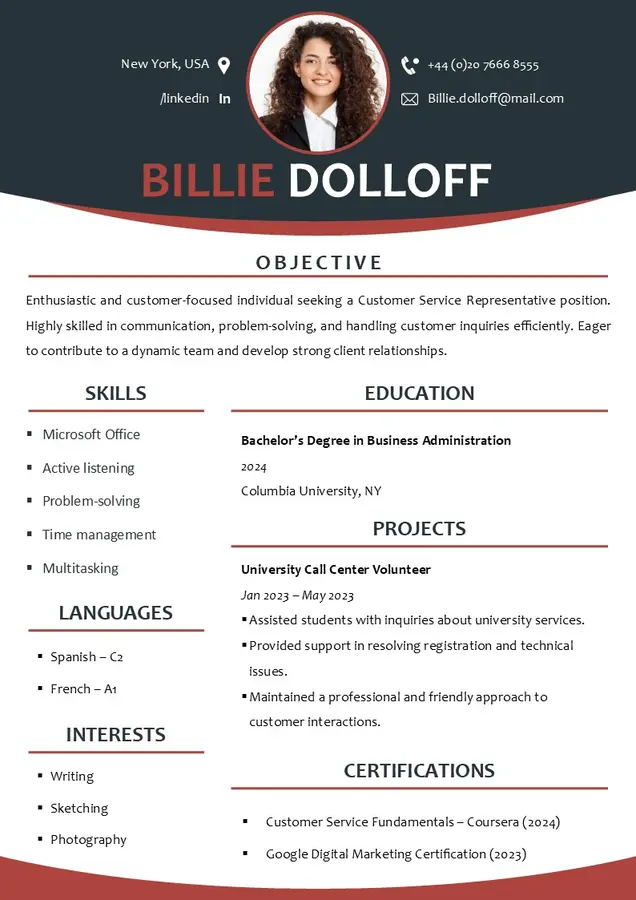
    Writing a resume can be intimidating, especially if you have no professional experience. You might feel like you have nothing to put on paper. But here’s the good news—everyone starts somewhere. Even if you haven’t held a formal job yet, you have skills, education, and experiences that matter. The key is knowing how to highlight them effectively. A strong resume without experience is about focusing on potential, achievements, and transferable skills. Here’s how you can craft one that stands out.

    1. Choose the Right Resume Format

    The first step is selecting a format that works for beginners. There are three main types of resumes:

    • Chronological: Lists work experience in order. Best for those with significant job history.
    • Functional: Focuses on skills and abilities rather than work experience. Perfect for people with little to no experience.
    • Combination: Mixes skills and experience. Useful if you have some experience but want to highlight skills.

    For someone with no experience, a functional resume is usually the best choice. It allows you to emphasize skills, education, and projects instead of work history.

    2. Start with a Strong Objective or Summary

    A resume objective or summary is your first impression. Even if you have no experience, a well-written objective shows ambition and clarity.

    Example:
    “Recent college graduate with strong communication and problem-solving skills seeking an entry-level marketing position to contribute creativity and enthusiasm to a dynamic team.”

    Keep it concise—2-3 sentences highlighting your strengths, goals, and what you can bring to the employer. Avoid vague statements like “I am hardworking”—be specific about your abilities.

    3. Highlight Education and Relevant Coursework

    If you lack professional experience, your education becomes a key section. List your degree, institution, and graduation date. Include honors, GPA (if strong), and relevant coursework.

    Example:
    Bachelor of Science in Computer Science
    University of XYZ | 2025
    Relevant Coursework: Web Development, Data Structures, Artificial Intelligence

    You can also include academic projects. For example, if you built a website or developed a small app, briefly describe it and the skills you used. Projects show initiative, technical skills, and practical application of knowledge.

    4. Focus on Skills and Transferable Abilities

    Employers look for skills, not just experience. Soft skills and transferable skills can make a huge difference. These include:

    • Communication
    • Teamwork
    • Problem-solving
    • Leadership
    • Time management
    • Creativity
    • Digital literacy

    Hard skills like Microsoft Office, coding languages, graphic design, or social media management should also be listed. Make sure to match your skills with the job description—this increases your chances of getting noticed.

    5. Include Volunteer Work and Extracurricular Activities

    No formal job? No problem. Volunteer work, internships, or participation in clubs can showcase your abilities and dedication.

    Example:
    Volunteer Tutor | Local Community Center | 2023

    • Assisted students in math and English
    • Developed lesson plans and study materials
    • Improved student engagement through interactive learning techniques

    Clubs, sports teams, or student organizations also demonstrate teamwork, leadership, and commitment. Include any roles where you took initiative or managed responsibilities.

    6. Add Internships or Short-Term Experiences

    Even short internships, part-time jobs, or freelance work count. Highlight responsibilities, achievements, and skills gained. Use action verbs like “organized,” “developed,” “managed,” or “created” to make your experiences sound impactful.

    Example:
    Social Media Intern | XYZ Startup | Summer 2024

    • Created content for Instagram and Facebook pages
    • Increased follower engagement by 20% through targeted posts
    • Assisted in marketing campaign strategy

    Numbers and results make your experience tangible—even if it was brief.

    7. Use Action Words and Quantify Achievements

    Action verbs give your resume energy and make it clear what you accomplished. Words like “developed,” “led,” “created,” “organized,” “designed,” and “implemented” are powerful.

    Quantifying achievements adds credibility. For example: “Tutored 15 students weekly, improving average test scores by 10%” sounds much stronger than “helped students with homework.” Numbers and metrics catch attention and demonstrate impact.

    8. Keep the Design Clean and Professional

    Even the best content can be ignored if the layout is messy. Keep your resume clean, professional, and easy to read. Use clear headings, bullet points, and consistent formatting. Avoid fancy fonts or bright colors—simplicity is key.

    Your resume should ideally fit on one page. Remember, recruiters spend only seconds scanning each resume. Make your most important information easy to find.

    9. Tailor Your Resume for Each Job

    One resume doesn’t fit all. Tailor your resume for each application. Highlight the skills, coursework, and experiences most relevant to the job. Use keywords from the job description.

    For example, if a position emphasizes teamwork and communication, prioritize examples where you demonstrated these skills. Customization increases the chances of passing through automated applicant tracking systems (ATS) and catching the recruiter’s eye.

    10. Proofread and Get Feedback

    Errors on a resume can leave a negative impression. Proofread carefully for spelling, grammar, and formatting mistakes. Ask a friend, mentor, or career counselor to review your resume. Fresh eyes can catch errors you might miss and suggest improvements.

    A polished resume shows attention to detail, professionalism, and seriousness about the application.

    Conclusion

    Writing a resume with no experience may seem daunting, but it’s entirely possible to create a strong, compelling document. Focus on your education, projects, volunteer work, skills, and any short-term experiences. Use action verbs, quantify your achievements, and tailor your resume to each job.

    Remember, employers aren’t just looking for a long work history—they’re looking for potential, enthusiasm, and the ability to learn. Your first resume is about showcasing these qualities in the best possible way.

    With preparation, clarity, and confidence, you can create a resume that opens doors, even without formal experience. Start early, keep improving, and treat each application as a step toward your career. Your first job may be around the corner—you just need the right resume to get there.

  • Soft Skills Every Student Should Learn Before Graduating

    Education is not just about grades, exams, and textbooks. Sure, academic knowledge is important, but in today’s world, soft skills are just as crucial—sometimes even more. Soft skills are those personal attributes that help you interact effectively with others, manage challenges, and navigate professional environments. They are the skills that can’t always be measured in marks but can make a huge difference in your career and life. Every student should focus on developing these skills before graduating, because they’re what help you stand out in a competitive world.

    1. Communication Skills

    The ability to communicate clearly and effectively is vital. This includes both written and verbal communication. You can have the best ideas in the world, but if you can’t express them, they won’t matter.

    Students should practice presenting their thoughts in class, writing clear assignments, or even participating in debates. Learning to listen actively is also part of communication—understanding others, asking the right questions, and responding thoughtfully. Good communication opens doors in interviews, team projects, and future workplaces.

    2. Teamwork and Collaboration

    No one works alone in the real world. Most projects, whether academic or professional, require collaboration. Learning how to work in a team, respect diverse opinions, and contribute effectively is crucial.

    Participate in group projects, clubs, or volunteer activities. Understand your strengths and weaknesses, and learn to complement others. Conflict is natural in teamwork, so developing problem-solving skills and empathy is also essential. Being a team player shows employers that you can work well with others, which is often more important than technical skills alone.

    3. Time Management

    Time management is more than just meeting deadlines. It’s about prioritizing tasks, avoiding procrastination, and using your time efficiently. Students who can plan their day, balance academics with extracurriculars, and stick to schedules tend to perform better academically and professionally.

    Practical tips include using planners, setting realistic goals, and breaking tasks into manageable chunks. Time management reduces stress, increases productivity, and builds discipline—skills that carry well into professional life.

    4. Adaptability and Flexibility

    The world is changing fast, and so are workplaces. Being adaptable means you can adjust to new situations, technologies, and challenges. Flexibility allows you to thrive even when things don’t go as planned.

    Students can develop adaptability by embracing change, taking on unfamiliar projects, or exploring new skills. Employers value candidates who can handle uncertainty, learn quickly, and stay productive under pressure. Adaptability ensures you remain relevant and resilient in any career path.

    5. Problem-Solving and Critical Thinking

    Problem-solving is about finding solutions, but critical thinking is about approaching problems logically and analytically. Together, they are essential for success.

    Students should practice analyzing situations, evaluating options, and making decisions. This can be done through case studies, academic projects, or even daily challenges. Being able to approach a problem creatively, think critically, and implement solutions shows maturity and competence—qualities highly sought after by employers.

    6. Emotional Intelligence (EQ)

    Emotional intelligence is the ability to recognize, understand, and manage your emotions, and also empathize with others. High EQ helps in handling stress, resolving conflicts, and building positive relationships.

    Students can develop EQ by being self-aware, practicing empathy, and reflecting on their reactions to different situations. Emotional intelligence helps in networking, leadership, teamwork, and customer relations. In short, it’s the skill that makes you human in professional environments.

    7. Leadership Skills

    Leadership isn’t just about being in charge—it’s about guiding, inspiring, and motivating others. Students can develop leadership skills by taking initiative, leading group projects, participating in clubs, or volunteering.

    Good leaders communicate effectively, listen to their team, make decisions confidently, and take responsibility for outcomes. Even if you’re not in a formal leadership role, showing leadership qualities demonstrates reliability, accountability, and vision.

    8. Networking Skills

    Networking is often overlooked, but it’s a powerful tool for career growth. Building connections with peers, professors, industry professionals, and mentors can open doors to internships, jobs, and collaborations.

    Students can develop networking skills by attending events, participating in workshops, and engaging with people online professionally, like on LinkedIn. Learning to maintain professional relationships, follow up politely, and communicate effectively can make a huge difference in your career opportunities.

    9. Work Ethic and Responsibility

    A strong work ethic is about commitment, reliability, and diligence. Employers want people who take responsibility for their tasks, meet deadlines, and go the extra mile when needed.

    Students can develop work ethic by being consistent in their studies, participating actively in projects, and taking accountability for mistakes. Demonstrating responsibility and integrity early sets a solid foundation for professional life.

    10. Digital Literacy

    Even soft skills now intersect with technology. Being digitally literate—comfortable using digital tools, managing online communication, and learning new technologies—is increasingly important.

    Students should familiarize themselves with productivity tools, basic data analysis, online collaboration platforms, and social media professionalism. Being digitally competent makes you adaptable, efficient, and ready for modern workplaces.

    Conclusion

    Academic achievements are important, but soft skills are what truly differentiate students in the real world. Communication, teamwork, time management, adaptability, problem-solving, emotional intelligence, leadership, networking, work ethic, and digital literacy are essential skills every student should develop before graduating.

    These skills don’t appear overnight—they require practice, reflection, and consistent effort. Participating in extracurricular activities, internships, volunteering, and group projects are great ways to build these abilities.

    In the end, employers aren’t just hiring degrees—they’re hiring people. People who can work well with others, handle challenges, learn continuously, and contribute meaningfully. By focusing on soft skills alongside academic knowledge, students prepare themselves not just for a job, but for lifelong success in any path they choose.

    Graduating with strong soft skills is like having a toolkit for life—one that will help you navigate careers, relationships, and challenges with confidence and competence.

  • The Importance of Internships: How to Find the Right One

    Internships. You’ve probably heard about them in college, career workshops, or online forums. But why are they so important? And more importantly, how do you find the right one? Internships are not just “nice-to-have” experiences—they can make a real difference in your career, helping you gain skills, build networks, and understand what kind of work environment suits you. Whether you’re a student or a recent graduate, understanding the value of internships and knowing how to secure the right one is crucial.

    1. Why Internships Matter

    Internships serve as a bridge between education and the professional world. They give you hands-on experience, letting you apply what you’ve learned in school to real-world situations. For many students, this is their first opportunity to see how an industry functions day-to-day.

    Beyond experience, internships help you develop soft skills—communication, teamwork, problem-solving, time management—that are just as important as technical knowledge. They also provide a chance to explore different career paths. You might realize that a particular field isn’t for you—or discover a new passion you hadn’t considered.

    Moreover, internships often serve as stepping stones to full-time employment. Employers are more likely to hire someone who has already worked with them and understands their processes, culture, and expectations. Even if the internship doesn’t lead to a permanent position, it adds valuable experience to your resume and makes you more competitive in the job market.

    2. Identify Your Goals

    Before you start searching, it’s important to define what you want from an internship. Are you looking to gain specific skills? Build your professional network? Explore a new industry? Or earn college credit?

    Knowing your goals helps you narrow down options and focus on opportunities that truly match your needs. For example, if your goal is to improve coding skills, an internship at a tech company or a startup might be ideal. If you’re interested in marketing, look for roles that involve campaign management, content creation, or market research. Clear goals guide your search and help you make the most of your internship experience.

    3. Research Potential Companies and Industries

    Once your goals are clear, start researching companies and industries that align with them. Check out company websites, LinkedIn pages, and online reviews. Understand their culture, work environment, and the kind of projects interns typically work on.

    Don’t overlook smaller companies or startups. They often provide more hands-on experience and the chance to take on responsibilities that might be limited in larger organizations. Remember, an internship is about learning and growth, not just prestige.

    4. Leverage Your Network

    Networking is one of the most effective ways to find internships. Talk to professors, career counselors, family friends, alumni, or anyone in your desired industry. Attend job fairs, webinars, and professional meetups.

    Many internships are filled through referrals or connections before they’re even posted online. Don’t be afraid to reach out and express interest. A polite email or LinkedIn message can sometimes open doors that a standard application cannot.

    5. Use Online Resources

    There are countless online platforms dedicated to internships and early career opportunities. Websites like Indeed, Glassdoor, LinkedIn, Internshala, and Handshake provide listings with filters for location, field, duration, and type (paid or unpaid).

    When using these platforms, tailor your search with specific keywords and save listings that match your goals. Setting up alerts can help you apply quickly, as many internships have limited slots and tight deadlines.

    6. Craft a Strong Resume and Cover Letter

    Even for internships, your application materials matter. Your resume should highlight education, relevant skills, projects, and extracurricular activities. Don’t worry if you lack professional experience—projects, volunteer work, or even coursework can demonstrate your abilities.

    Your cover letter is equally important. Explain why you’re interested in the internship, how your skills align with the role, and what you hope to gain. Keep it concise, professional, and genuine. Personalization makes a difference—avoid generic letters that could apply to any company.

    7. Prepare for Interviews

    Many internships require interviews, even for short-term or part-time roles. Prepare by practicing common questions, like:

    • “Tell me about yourself.”
    • “Why do you want to intern here?”
    • “Describe a challenge you faced and how you handled it.”

    Research the company thoroughly so you can answer questions confidently. Also, prepare thoughtful questions to ask the interviewer, showing curiosity and initiative. Practicing with a friend, family member, or mentor can help reduce nerves and improve your communication.

    8. Consider Paid vs. Unpaid Internships

    Not all internships are paid, and this can be a tough decision for students with financial constraints. Paid internships provide immediate financial support, while unpaid internships may offer more flexibility or unique learning opportunities.

    Evaluate the trade-offs carefully. Consider the skills you’ll gain, the networking opportunities, and how the experience aligns with your long-term goals. Sometimes an unpaid internship with significant learning potential can be worth more than a paid position with limited exposure.

    9. Make the Most of Your Internship

    Landing the internship is just the beginning. To truly benefit, be proactive. Ask questions, volunteer for projects, and seek feedback. Take notes, track achievements, and build relationships with mentors and colleagues.

    Document your experience—you’ll need it for future resumes, cover letters, and interviews. Internships are opportunities to learn, grow, and make meaningful contributions. Your attitude and initiative often leave a lasting impression, which can lead to recommendations, references, or even job offers.

    10. Reflect and Plan Next Steps

    After your internship, take time to reflect. What did you learn about the industry, the company, and yourself? Did you discover new interests or confirm career goals? How did your skills improve?

    Use this reflection to plan your next steps. If the experience was positive, consider asking for a reference or exploring opportunities within the company. If it wasn’t quite right, think about what you want to look for in future internships or jobs. Each internship is a stepping stone in your career journey.

    Conclusion

    Internships are more than just temporary positions—they’re gateways to professional growth, skill development, and networking. They help bridge the gap between education and the workforce, giving you hands-on experience that can’t be learned from textbooks alone.

    Finding the right internship requires research, networking, goal-setting, and preparation. Once you secure one, approach it with curiosity, initiative, and a willingness to learn. Make connections, document achievements, and reflect on the experience.

    Your first internship may feel intimidating, but it’s also an incredible opportunity to learn, grow, and step confidently into your career. With the right mindset and preparation, internships can be life-changing, shaping not just your resume, but your future.

  • How to Prepare for Your First Job Interview

    Your first job interview. Exciting. Nerve-wracking. A mix of anticipation and anxiety. It’s normal to feel jittery, especially if you’ve never been through this process before. But the good news is—preparation can make a huge difference. Interviews aren’t just about luck; they’re about strategy, confidence, and knowing yourself. Whether you’re applying for your first office job, internship, or part-time position, these steps can help you walk into the interview room feeling ready.

    1. Research the Company Thoroughly

    One of the most important things you can do before an interview is research. And I mean deeply. Don’t just glance at the company website. Read about its history, mission, values, and culture. Know its products or services. Check recent news, press releases, or social media posts.

    Why? Because when you show knowledge about the company, it demonstrates interest and initiative. It tells the interviewer you care, that you’re not just applying randomly. Try to identify how your skills align with the company’s goals. This will help you answer questions like, “Why do you want to work here?” with confidence and authenticity.

    2. Understand the Job Role

    It’s not enough to know the company; you need to understand the specific role you’re applying for. Carefully read the job description. Identify key skills, responsibilities, and expectations.

    Make a list of experiences, academic projects, or extracurricular activities that match these requirements. This will allow you to tailor your answers to show that you’re not just capable, but the right fit. For example, if the job emphasizes teamwork, think of a situation where you collaborated successfully. If it requires problem-solving, prepare an example where you overcame a challenge.

    3. Prepare Common Interview Questions

    Most interviews include a mix of standard questions and role-specific questions. Some common ones include:

    • “Tell me about yourself.”
    • “What are your strengths and weaknesses?”
    • “Why should we hire you?”
    • “Describe a challenge you faced and how you overcame it.”

    Practice answering these out loud. Don’t memorize word-for-word—it will sound robotic. Instead, outline key points you want to mention. Practicing helps you feel more confident, reduces nerves, and improves clarity.

    4. Prepare Questions to Ask

    Interviews are a two-way street. Asking questions shows interest and engagement. Prepare thoughtful questions about the role, team structure, company culture, or growth opportunities.

    Avoid asking things easily found online, like basic company facts. Instead, focus on questions that show you’re thinking about your role within the organization. For example, “Can you describe the typical career path for someone in this position?” or “What skills do you think are most important for success here?”

    5. Practice Your Body Language

    Non-verbal communication is huge in interviews. How you sit, make eye contact, and greet the interviewer matters. A firm handshake, upright posture, and friendly smile convey confidence. Avoid slouching, fidgeting, or crossing your arms defensively.

    Body language can even influence how your words are perceived. Practice in front of a mirror or with a friend. Record yourself if necessary. It may feel awkward, but small adjustments can make a big difference.

    6. Dress Appropriately

    Your appearance is your first impression, literally. Research the company’s dress code. For corporate jobs, business casual or formal attire is usually safe. For startups, smart casual may be fine. When in doubt, it’s better to slightly overdress than underdress.

    Make sure your clothes are clean, ironed, and well-fitted. Pay attention to grooming—hair, nails, and shoes. Your goal is to present yourself as polished, professional, and confident.

    7. Plan Your Journey

    Arriving late to an interview can create unnecessary stress and leave a bad impression. Plan your route in advance, whether you’re driving, taking public transport, or walking. Factor in extra time for traffic, delays, or unforeseen events.

    Arriving 10–15 minutes early is ideal. It gives you a moment to relax, review your notes, and get mentally prepared. Showing up late says more about your reliability than your resume ever could.

    8. Practice Mock Interviews

    Mock interviews are one of the best ways to prepare. Ask a friend, family member, or mentor to simulate the interview experience. This allows you to practice speaking clearly, answering questions concisely, and managing nerves.

    Try to mimic the actual setting as closely as possible. Record the session if you can. Review it to spot habits like filler words, unnecessary gestures, or vague answers. Practice helps transform nervous energy into confidence.

    9. Manage Anxiety and Stay Positive

    It’s normal to feel nervous, especially for your first interview. Breathing exercises, positive self-talk, or visualization techniques can help calm anxiety. Picture yourself walking in confidently, answering questions clearly, and leaving the interview feeling proud.

    Remember, interviews are a learning experience. Even if you don’t get the job, each interview teaches you something—about the process, about companies, and about yourself. Maintaining a positive mindset makes you more resilient and improves performance.

    10. Follow-Up After the Interview

    After the interview, sending a thank-you email is crucial. Keep it short and professional. Thank the interviewer for their time, briefly highlight a point discussed, and reiterate your interest in the role.

    This simple gesture shows professionalism, courtesy, and genuine interest. It may also help you stand out in a competitive candidate pool.

    Conclusion

    Preparing for your first job interview may feel overwhelming, but with the right strategy, it becomes manageable. Research the company, understand the role, practice common questions, and prepare thoughtful questions of your own. Pay attention to body language, dress appropriately, and plan your journey carefully. Practice mock interviews, manage anxiety, and always follow up professionally.

    Interviews are not just a test—they’re an opportunity to showcase your skills, personality, and potential. With preparation, confidence, and a positive mindset, your first interview can be a stepping stone to success, opening doors to your career journey.

    Remember: everyone starts somewhere, and every interview is a chance to learn and grow. Take a deep breath, prepare well, and walk in knowing you are capable. You’ve got this.

  • Learn to Earn – Turning Knowledge into Prosperity

    Everyone wants a prosperous life — a life of stability, confidence, and comfort. But prosperity does not come through luck. It comes through knowledge, consistently applied. The idea of “Learn to Earn” means that learning is the foundation of financial growth.

    1. Knowledge Builds Earning Potential

    The more you learn, the more valuable you become. People are paid for the value they provide — and value comes from knowledge and skills.

    Whether it is technical skills, communication, sales, leadership, or creativity — learning increases your ability to contribute and earn.

    2. Application of Knowledge is the Key

    Knowledge alone is not enough. You must apply what you learn. For example, learning communication only matters if you start speaking confidently. Learning business matters only if you take practical steps. Learning investment matters only if you start investing, even small.

    Action turns learning into prosperity.

    3. Continuous Learning Keeps You Growing

    The world changes fast. New opportunities appear every day. When you keep learning, you stay ahead. When you stop learning, you fall behind.

    Make learning a daily habit — even 20 minutes a day.

    4. Learning Protects You From Failures

    When challenges come, knowledge gives you solutions. A knowledgeable person can rebuild even after loss. This is why knowledge is stronger than money — money can end, but knowledge helps you earn again.

    5. Using Knowledge to Create Opportunities

    Knowledge allows you to:

    • Start new income sources
    • Improve your current job growth
    • Make informed decisions
    • Build strong financial habits

    Prosperity comes from using knowledge to make wise, timely decisions.

    Conclusion

    “Learn to Earn” is not only a sentence — it is a principle for life.
    Knowledge creates ability. Ability creates income. Income creates prosperity.

    If you want to change your financial future, start learning today.

  • Empower Your Finances Through Better Education

    Money affects almost every part of our life. The food we eat, the house we live in, the opportunities we receive, and even the amount of peace we feel — all of these are influenced by our financial situation. Yet, despite money being so important, most of us never receive proper guidance on how to manage it. This is where better financial education becomes powerful. It empowers people to make wise choices, avoid unnecessary debt, and build a path to security and growth.

    Better education about money doesn’t mean complicated theories. It simply means learning the right habits, the right mindset, and the right approach toward spending, saving, and investing. Many people work hard every day, yet feel stuck financially because they have not learned how to handle their money. Education changes that.

    1. Understanding the Meaning of Financial Empowerment

    Financial empowerment means having control over your money instead of letting money control you. It means making decisions confidently and planning ahead for your future. When people lack financial education, they often:

    • Spend impulsively
    • Borrow without thinking
    • Save irregularly
    • Depend on luck instead of planning

    But when a person understands how money truly works, they develop confidence. They stop feeling scared of financial problems and instead learn how to solve them.

    2. Education Helps You Make Smarter Spending Choices

    Many people spend money emotionally — when they feel stressed, bored, or influenced by others. But financial education teaches us that not every desire needs to be fulfilled immediately.

    Before spending, financially educated people ask:

    • Do I really need this?
    • Is this worth the cost?
    • Is this improving my life or just my image?

    This simple thinking saves thousands over time.

    3. Saving Is Not About Sacrifice — It’s About Stability

    Saving money is often misunderstood. Some think saving means limiting happiness. But in reality, saving is about securing future happiness. Even small savings each month build a safety net. When emergencies come, savings protect us from stress and debt.

    Saving also teaches patience and discipline. It reminds us that every financial decision has a long-term effect.

    4. Growth Comes from Investing

    Saving keeps your money safe — but investing helps your money grow. Investment does not always mean big risks. Sometimes it means investing in:

    • Learning new skills
    • Taking small business steps
    • Setting up long-term savings plans
    • Buying assets that increase in value

    Investment is a slow process, but over time, it creates steady, reliable financial growth.

    5. Financial Education Promotes Independence

    When a person understands money, they do not depend on others to make their decisions. They can support their family, build their dreams, and handle challenges confidently. Education replaces fear with freedom.

    Conclusion

    Better financial education is not a luxury — it is a necessity. It empowers people to manage money with clarity and wisdom. It turns confusion into confidence and stress into stability.

    In simple words:
    When your financial knowledge grows, your financial life grows.