Smart Devices, Silent Control: The Untold Truth of Modern Technology

In today’s digital age, technology has become an inseparable part of everyday life. From smartphones and smartwatches to home assistants and connected cars, smart devices promise convenience, efficiency, and control at our fingertips. With just a few taps or voice commands, we can manage our schedules, monitor our health, control our homes, and stay connected with the world. However, behind this seamless experience lies a deeper and often overlooked reality—one that raises important questions about privacy, control, and the true cost of convenience.
Smart devices operate by collecting and processing vast amounts of data. Every search, every click, every location visited, and even voice commands can be recorded and analyzed. This data is used to improve services, personalize user experiences, and make devices more “intelligent.” While this may seem beneficial, it also means that individuals are constantly being monitored, often without fully realizing the extent of it. What appears to be harmless convenience can quietly turn into continuous surveillance.
One of the key concerns is how this data is used and who has access to it. Technology companies store enormous databases of user information, which can be used for targeted advertising and business strategies. For example, after searching for a product online, users often see ads related to that product across multiple platforms. This is not a coincidence—it is the result of complex algorithms tracking user behavior. While personalized ads can be helpful, they also reveal how deeply our digital lives are being analyzed and influenced.
Another issue is the lack of transparency. Many users agree to terms and conditions without reading them, unknowingly granting permission for their data to be collected and shared. Privacy policies are often long, complex, and difficult to understand, making it challenging for the average person to know what they are agreeing to. As a result, control over personal information is often handed over without informed consent.
Smart home devices add another layer to this reality. Voice assistants, security cameras, and smart appliances are designed to make life easier, but they also bring technology into the most private spaces—our homes. These devices are always listening for commands, which raises concerns about accidental recordings or unauthorized access. While companies claim to prioritize security, data breaches and hacking incidents have shown that no system is completely safe.
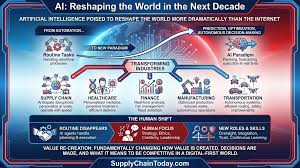
Artificial intelligence (AI) plays a major role in modern technology. It powers recommendations, automates tasks, and even makes decisions on behalf of users. However, AI systems are not neutral—they are built on data and algorithms that can reflect biases. This can lead to unfair outcomes in areas such as hiring, lending, or law enforcement. The more we rely on these systems, the more important it becomes to question how they work and who is responsible for their decisions.
In addition to privacy concerns, there is also the issue of dependency. As people rely more on smart devices, they may lose certain skills or become less aware of their surroundings. Navigation apps, for example, make travel easier but can reduce a person’s ability to navigate independently. Similarly, constant notifications and digital interactions can affect attention spans and mental well-being. Technology is designed to keep users engaged, sometimes at the cost of their focus and productivity.
Despite these challenges, it is important to recognize that technology itself is not inherently harmful. It has brought significant advancements in healthcare, education, communication, and many other fields. The problem lies in how it is used and managed. Responsible innovation, clear regulations, and informed users are essential to ensure that technology serves humanity rather than controls it.
Hard Ending: Convenience at the Cost of Control
The truth is uncomfortable but unavoidable: the more connected we become, the less control we may actually have. Every smart device that simplifies life also creates an invisible link between the user and powerful systems that collect, analyze, and influence behavior. What feels like freedom can slowly turn into dependence, and what seems like control can quietly shift in the opposite direction.
If people continue to accept technology without questioning it, they risk becoming passive participants in a system that knows more about them than they know about themselves. Privacy will shrink, autonomy will weaken, and decisions may increasingly be shaped by unseen algorithms rather than personal choice.
The future of technology is not just about innovation—it is about responsibility. The question is no longer what technology can do, but what it should do. If this question is ignored, the devices designed to serve us may ultimately begin to control us.