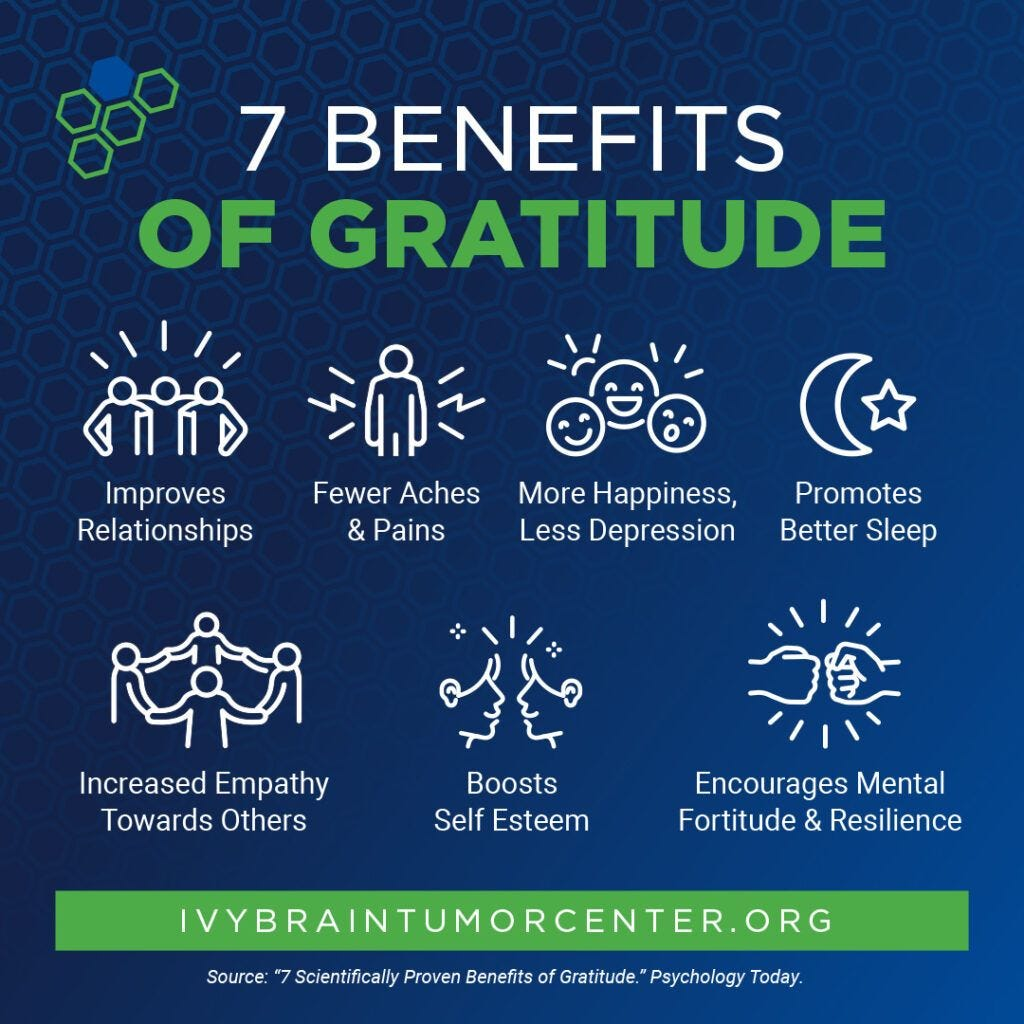
Most people think learning is all about focus, repetition, and effort. You study, you memorize, you repeat. But what if I told you that gratitude — something as simple as feeling thankful — can actually help you remember more and learn better? It sounds a little strange, right? Gratitude feels more like an emotion you use to say “thanks,” not something connected to brain performance. But there’s growing science behind it.
Gratitude doesn’t just make you feel good. It changes how your brain works. It shifts your mood, your focus, even the way your memory stores information. Researchers have been diving into this for years now, and the results are fascinating. A grateful mindset seems to literally rewire the brain to learn and retain information more efficiently. Let’s explore how and why that happens — and how you can build gratitude into your learning routine.
The Science Behind Gratitude and Memory
When you practice gratitude, your brain releases neurotransmitters like dopamine and serotonin — the “feel-good” chemicals. These chemicals improve mood, motivation, and concentration. Dopamine, in particular, plays a key role in learning and memory formation. It’s what helps your brain mark certain experiences or information as “important.”
Think about when you feel stressed or anxious while studying. Your brain goes into a fight-or-flight mode. Cortisol levels rise, and your body interprets learning as a kind of “threat.” In that state, it’s harder to focus or store information. Gratitude works almost like an antidote. It lowers cortisol, calms the nervous system, and opens your brain up to new information.
A study from the University of California, Davis found that people who practiced daily gratitude journaling not only reported higher levels of happiness but also showed improved cognitive function and memory retention. Gratitude, it turns out, helps your brain stay in a more balanced and receptive state — which is exactly what you need when you’re trying to learn something new.
How Gratitude Changes the Brain
Here’s the thing: the brain loves patterns. When you practice gratitude consistently, your neural pathways actually start to shift. Functional MRI scans have shown that gratitude activates the prefrontal cortex — the part of the brain responsible for decision-making, emotional regulation, and learning. It also lights up the hippocampus, which plays a big role in memory consolidation.
That means when you regularly practice gratitude, you’re strengthening the very brain regions that help you retain knowledge. You’re making it easier for your brain to absorb information and recall it later.
And there’s another layer to it: gratitude reduces mental clutter. When you focus on what’s going well, you stop ruminating on what’s going wrong. That mental clarity frees up cognitive resources. Simply put, you have more “brain space” to focus, process, and remember.
Simple Gratitude Practices for Better Learning Retention
You don’t need to spend hours meditating or writing essays about gratitude to feel the effects. In fact, the most effective gratitude practices are simple and short — but consistent. Here are a few that work especially well for improving memory and learning.
1. Gratitude Journaling Before Study Sessions
Before diving into your books or laptop, take two minutes to jot down three things you’re grateful for. They don’t have to be big things — even small comforts count. Maybe your coffee tastes great this morning. Maybe your study environment feels peaceful. Or maybe you’re just grateful you have the chance to learn something new.
This short exercise shifts your emotional state. It tells your brain, “I’m safe, I’m content, I’m open.” That’s a powerful mindset for learning. Studies show that students who journaled gratitude regularly before studying reported higher motivation and performed better in retention tests later.
2. Reflective Gratitude at the End of the Day
Before sleeping, think back to what went right that day — especially related to your learning. What did you understand better today than yesterday? What small win made you feel proud? Maybe you finally solved a tough problem, or you stayed consistent with your routine.
This simple reflection reinforces positive learning experiences. It also helps your brain consolidate that day’s information while you sleep. Research suggests that emotional context — like feeling grateful or proud — makes memories “stickier.”
3. Thank Your Teachers and Peers
Whether you’re learning in a classroom, online, or on your own, expressing gratitude to people who support your learning can make a huge difference. Thanking a teacher for their guidance or a peer for explaining something improves social connection — which is another factor that boosts retention. When learning feels relational, not mechanical, it becomes more meaningful and memorable.
4. Gratitude Meditation
Gratitude meditation isn’t just sitting cross-legged thinking about how “thankful” you are. It’s about intentionally focusing your attention on people, moments, or things that bring value to your life. You might close your eyes and visualize someone who’s helped you learn, and mentally say thank you.
Even five minutes of this kind of focused gratitude can calm the mind and increase mental clarity. It’s especially useful before exams or high-stress situations. Many students report that gratitude meditation reduces test anxiety and helps them recall information more smoothly.
5. Reframe Challenges with Gratitude
One of the most advanced (and powerful) forms of gratitude is reframing setbacks. Instead of thinking, “I’m terrible at this,” try, “I’m grateful I get to practice and improve.” This small mental shift changes your brain’s response from frustration to curiosity. Over time, it builds resilience — and resilient learners retain knowledge better because they stay engaged, not defeated, when they face difficulties.
The Emotional Connection to Learning
Learning is not just a mechanical process; it’s emotional too. The things we remember most deeply are tied to how we felt when we learned them. Gratitude amplifies positive emotions, which makes the brain tag those moments as “important.” That’s why when you’re happy or inspired while learning something, it tends to stick for years.
Gratitude also nurtures patience — an underrated learning skill. When you’re thankful for the process rather than fixated on the outcome, you enjoy learning itself. That enjoyment keeps you consistent, and consistency is the real secret behind retention.
The Bigger Picture
Practicing gratitude isn’t about pretending everything is perfect. It’s about choosing where to focus your attention. You can have a tough day, feel tired, or make mistakes — and still find something to appreciate in that experience. That small shift keeps your motivation alive and your brain engaged.
Over time, gratitude turns learning from a stressful task into something meaningful. You start seeing every bit of progress as something to celebrate, and that celebration reinforces your drive to keep learning.
Final Thoughts
Gratitude might seem like a soft skill, something that belongs in self-help books, not study strategies. But neuroscience is proving otherwise. When you make gratitude part of your learning routine — through journaling, reflection, or meditation — you’re not just improving your mood. You’re optimizing your brain for retention, focus, and long-term growth.
Learning fueled by gratitude is deeper, calmer, and more enduring. So, the next time you sit down to study, take a moment to say a quiet “thank you.” To yourself, to your teachers, to the process. You’ll be surprised how much more you’ll remember when you learn with a grateful mind.